THE ADVENTURE COLLECTIVE® · Independent discovery and booking for outdoor travel
Spend a full day hunting sightings rather than speed: this Kruger Park safari puts you in range of the Big Five with local guides, open vehicles, and hours spent reading the bush. Expect patient tracking, sudden sightings, and practical tips for a safer, more productive day in the park.
Spend a full day hunting sightings rather than speed: this Kruger Park safari puts you in range of the Big Five with local guides, open vehicles, and hours spent reading the bush. Expect patient tracking, sudden sightings, and practical tips for a safer, more productive day in the park.
A dawn haze lifts over flat, ochre savanna as the safari vehicle eases through the gate. Early light slants through fever trees and the air tastes of dust and distant waterholes. Guides scan the horizon, radios low and practiced, while the bush—alert, indifferent—decides what it will reveal today.
Verified experiences and guided adventures in the surrounding area.
Operated by Humulani Tours & Safaris · Skukuza, Mpumalanga
A dawn haze lifts over flat, ochre savanna as the safari vehicle eases through the gate. Early light slants through fever trees and the air tastes of dust and distant waterholes. Guides scan the horizon, radios low and practiced, while the bush—alert, indifferent—decides what it will reveal today.
Kruger National Park is one of Africa’s oldest reserves, carved from colonial-era conservation moves and expanded through decades of anti-poaching and ecological management. Geologically it sits on ancient granite and basalt plains; rivers like the Sabie have cut shale-lined channels that herd water and wildlife through predictable corridors. Cultural ties run deep: Mpumalanga communities have long histories of cattle herding and craft, and many modern safaris employ local guides who share both language and landscape knowledge.
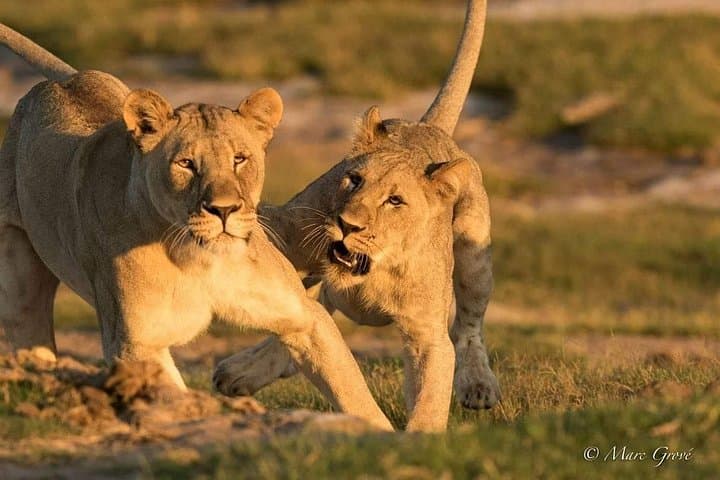
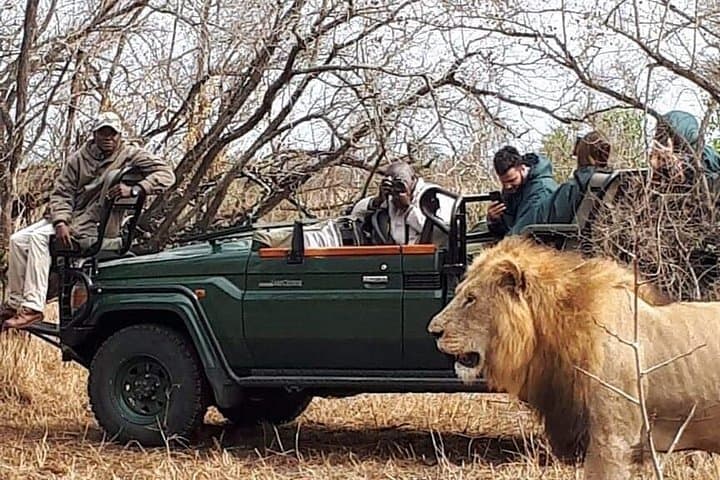
Expect a day dominated by observation rather than motion: long, patient scans, sudden bursts when a lion stands or a herd moves, and the slow mathematics of tracking spoor. Vehicles are open-sided or pop-topped; binoculars, camera, and quiet are your primary tools. Guides interpret spoor, bird calls, and tree species while keeping safety and distance paramount.
Practical tips: start early to capitalize on cooler hours and active predators; wear neutral layers for changing temperatures; keep water accessible and electronics on low-shock settings. Respect park rules—no leaving vehicles except at designated spots—and budget for park fees and gratuities. A full day in Kruger is sensory and instructive: the land moves at its own timetable, and patience rewards you with scenes that keep trackers and first-timers alike staring through the scrub.
Guides strive to maximize sightings, but wildlife is unpredictable; a full-day drive improves odds, but sightings are not guaranteed.
Check your booking details—park entry fees are sometimes separate from tour prices and are payable locally or included depending on the operator.
Vehicles are generally accessible and tours are family-friendly, but check operator notes—some itineraries are not recommended for those with spine or pregnancy restrictions.
Tipping is customary; plan to tip guides and drivers based on satisfaction—roughly 10–15% of the tour cost or a per-person guideline from the operator.
Humulani Tours & Safaris operates guided outdoor trips and adventures with an emphasis on safety, stewardship, and memorable experiences.

A dawn haze lifts over flat, ochre savanna as the safari vehicle eases through the gate. Early light slants through fever trees and the air tastes of dust and distant waterholes. Guides scan the horizon, radios low and practiced, while the bush—alert, indifferent—decides what it will reveal today.
A dawn haze lifts over flat, ochre savanna as the safari vehicle eases through the gate. Early light slants through fever trees and the air tastes of dust and distant waterholes. Guides scan the horizon, radios low and practiced, while the bush—alert, indifferent—decides what it will reveal today.
Kruger National Park is one of Africa’s oldest reserves, carved from colonial-era conservation moves and expanded through decades of anti-poaching and ecological management. Geologically it sits on ancient granite and basalt plains; rivers like the Sabie have cut shale-lined channels that herd water and wildlife through predictable corridors. Cultural ties run deep: Mpumalanga communities have long histories of cattle herding and craft, and many modern safaris employ local guides who share both language and landscape knowledge.
Expect a day dominated by observation rather than motion: long, patient scans, sudden bursts when a lion stands or a herd moves, and the slow mathematics of tracking spoor. Vehicles are open-sided or pop-topped; binoculars, camera, and quiet are your primary tools. Guides interpret spoor, bird calls, and tree species while keeping safety and distance paramount.
Practical tips: start early to capitalize on cooler hours and active predators; wear neutral layers for changing temperatures; keep water accessible and electronics on low-shock settings. Respect park rules—no leaving vehicles except at designated spots—and budget for park fees and gratuities. A full day in Kruger is sensory and instructive: the land moves at its own timetable, and patience rewards you with scenes that keep trackers and first-timers alike staring through the scrub.
