THE ADVENTURE COLLECTIVE® · Independent discovery and booking for outdoor travel

A full-day trip from Tirana that pairs Kruja’s hilltop castle and bustling bazaar with Durres’ Roman amphitheater and Adriatic shoreline. Ideal for history lovers who want both museum depth and seaside relaxation.
A full-day trip from Tirana that pairs Kruja’s hilltop castle and bustling bazaar with Durres’ Roman amphitheater and Adriatic shoreline. Ideal for history lovers who want both museum depth and seaside relaxation.
You step onto a sun-warmed road outside Tirana and the city noise thins into the rattle of tires and the murmur of olives on hillsides. The van climbs toward Kruja; the castle perches on a rocky shoulder, its stone walls cutting a sharp silhouette against the sky. Below, the bazaar hums with tradespeople shaping leather and filigree as they always have. Later the route slips down to the Adriatic plain and Durres opens up — a sweep of beach and the low, broken arc of a Roman amphitheater that still holds the echo of ancient crowds.
Verified experiences and guided adventures in the surrounding area.
Operated by Aria Travel Albania · Tirana, Tirana County
You step onto a sun-warmed road outside Tirana and the city noise thins into the rattle of tires and the murmur of olives on hillsides. The van climbs toward Kruja; the castle perches on a rocky shoulder, its stone walls cutting a sharp silhouette against the sky. Below, the bazaar hums with tradespeople shaping leather and filigree as they always have. Later the route slips down to the Adriatic plain and Durres opens up — a sweep of beach and the low, broken arc of a Roman amphitheater that still holds the echo of ancient crowds.
This daytrip threads two eras: Kruja’s medieval resistance under Skanderbeg, a national focal point from the 15th century, and Durres, a Greek colony founded around 627 BC that later became a Roman port. Geologically, the route moves from limestone foothills into coastal alluvium, which explains the contrast between rocky viewpoints and wide sandy strands. Culturally the day is equal parts museum and market — museums here preserve Skanderbeg’s arms and Ottoman-era housecraft while bazaar stalls keep handcraft skills alive.
Practicalities matter. Expect 7–9 hours, moderate walking on uneven castle stone and archaeological sites, brief climbs for viewpoints, and some narrow bazaar alleys. Bring a reusable water bottle, sunscreen, and cash for small purchases. Time your visit to Kruja early in the day to avoid crowds and the afternoon heat on the coast. Respect signage at archaeological sites, and consider a guide to get the most from the museums and Roman ruins. This is a balanced day of history and landscape — accessible, tactile, and unexpectedly panoramic.
The tour lasts approximately 7–9 hours (420–540 minutes), including travel, site visits, and a coastal break.
Admission to specified museums and sites is included for the main stops listed in the itinerary, such as the Skanderbeg Museum and the Durres amphitheater.
Yes—there’s typically time for an optional local lunch near Preza or Kruja and a refreshment stop in Durres, but extended beach lounging is limited by the schedule.
It’s family-friendly but involves uneven pathways and some stairs at historic sites; travelers with significant mobility issues should advise the operator in advance and may need assistance.
Aria Travel Albania operates guided outdoor trips and adventures with an emphasis on safety, stewardship, and memorable experiences.
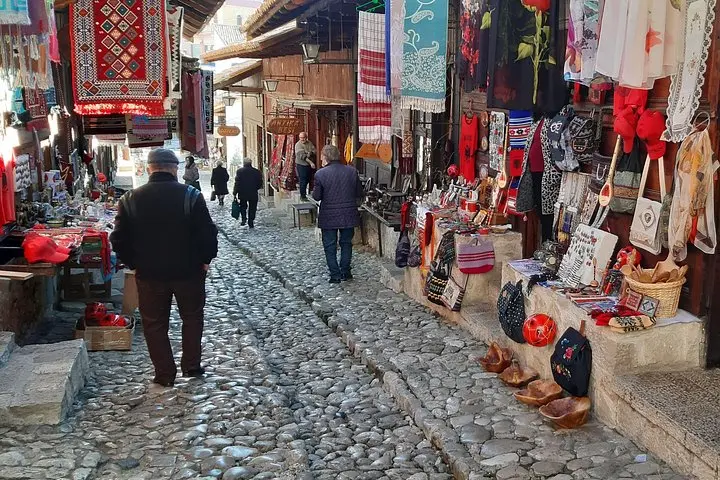

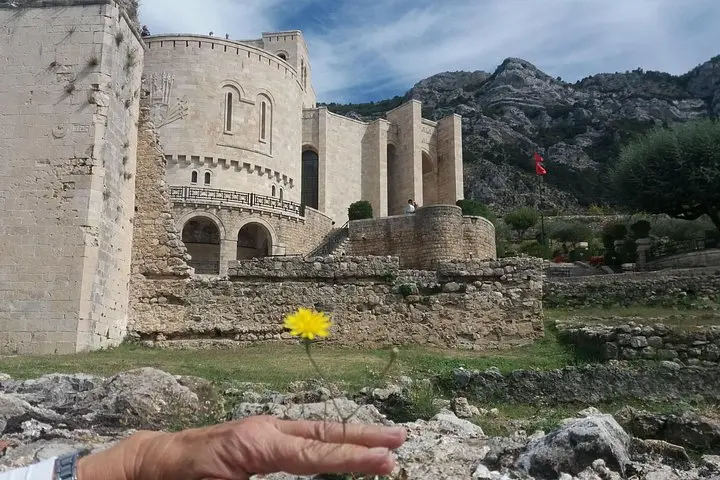
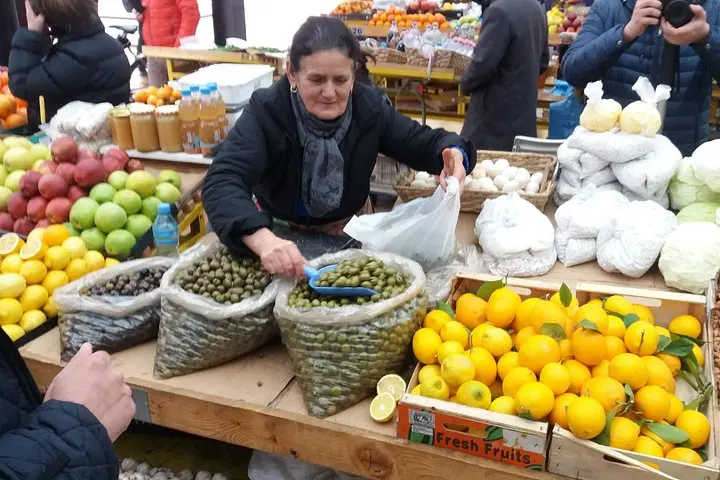
You step onto a sun-warmed road outside Tirana and the city noise thins into the rattle of tires and the murmur of olives on hillsides. The van climbs toward Kruja; the castle perches on a rocky shoulder, its stone walls cutting a sharp silhouette against the sky. Below, the bazaar hums with tradespeople shaping leather and filigree as they always have. Later the route slips down to the Adriatic plain and Durres opens up — a sweep of beach and the low, broken arc of a Roman amphitheater that still holds the echo of ancient crowds.
You step onto a sun-warmed road outside Tirana and the city noise thins into the rattle of tires and the murmur of olives on hillsides. The van climbs toward Kruja; the castle perches on a rocky shoulder, its stone walls cutting a sharp silhouette against the sky. Below, the bazaar hums with tradespeople shaping leather and filigree as they always have. Later the route slips down to the Adriatic plain and Durres opens up — a sweep of beach and the low, broken arc of a Roman amphitheater that still holds the echo of ancient crowds.
This daytrip threads two eras: Kruja’s medieval resistance under Skanderbeg, a national focal point from the 15th century, and Durres, a Greek colony founded around 627 BC that later became a Roman port. Geologically, the route moves from limestone foothills into coastal alluvium, which explains the contrast between rocky viewpoints and wide sandy strands. Culturally the day is equal parts museum and market — museums here preserve Skanderbeg’s arms and Ottoman-era housecraft while bazaar stalls keep handcraft skills alive.
Practicalities matter. Expect 7–9 hours, moderate walking on uneven castle stone and archaeological sites, brief climbs for viewpoints, and some narrow bazaar alleys. Bring a reusable water bottle, sunscreen, and cash for small purchases. Time your visit to Kruja early in the day to avoid crowds and the afternoon heat on the coast. Respect signage at archaeological sites, and consider a guide to get the most from the museums and Roman ruins. This is a balanced day of history and landscape — accessible, tactile, and unexpectedly panoramic.