THE ADVENTURE COLLECTIVE® · Independent discovery and booking for outdoor travel

Travelers trade asphalt for dune horizons on a full-day trip to Ksar Ghilane, where a thermal spring, palm-ringed oasis, and the hilltop ksar meet the vast Grand Erg Oriental. Expect optional dune walks, a swim, and a cultural visit to Ksar Hallouf with lunch included.
Travelers trade asphalt for dune horizons on a full-day trip to Ksar Ghilane, where a thermal spring, palm-ringed oasis, and the hilltop ksar meet the vast Grand Erg Oriental. Expect optional dune walks, a swim, and a cultural visit to Ksar Hallouf with lunch included.
The day opens with a ribbon of asphalt giving way to a sea of ochre—sand dunes rise and fall like slow waves as the vehicle eases toward Ksar Ghilane.
Verified experiences and guided adventures in the surrounding area.
Operated by monia travel · Ksar Ghilane, Kebili Governorate
The day opens with a ribbon of asphalt giving way to a sea of ochre—sand dunes rise and fall like slow waves as the vehicle eases toward Ksar Ghilane.
Arriving at the oasis, the first impression is contrast: green palms ring a small spring whose warm water steams in cooler hours, while the Grand Erg Oriental spreads beyond, inviting slow, deliberate exploration. The thermal pool is a practical reward: a place to rinse sand from boots and cool off after a short dune climb.
Ksar Hallouf, visible on a nearby hill, tells the human story: a 13th-century ksar enlarged in the 19th century, its stacked ghorfas (granary rooms) and terraced facades reflect Berber construction adapted to arid life. Geologically the landscape is recent—wind-sculpted dunes on a Sahara margin—while cultural traces mark caravan routes and oasis agriculture.
Expect easy, guided walking around the spring and the ksar, plus optional dune excursions or a short swim; lunch and bottled water are provided. Wear sneakers for sand, bring sunscreen, a swimsuit, and a towel. Morning departures avoid the peak heat; mid-afternoon light is best for photos of Ksar Hallouf’s warm stone.
Practical notes: the route typically includes a panoramic stop at roughly 420 m elevation to survey surrounding ridgelines. The tour suits most fitness levels but plan for walking on soft sand and sun exposure. Respect private oasis areas, carry out trash, and ask before photographing locals. This day trip pairs a tactile taste of desert ecology with tangible local history—accessible, sandy, and quietly expansive.
The full-day tour runs about 10–12 hours, typically including travel time from Douz, stops for panoramas, time at the oasis, and a visit to Ksar Hallouf.
Yes — the tour normally includes time to swim in the thermal spring; bring a swimsuit and towel as noted in the tour description.
The tour is suitable for most people; walking is short and on mostly flat sand, but soft dunes require moderate effort.
Guides commonly speak English, French, German, Italian and Polish when available, and the tour includes lunch and bottled water; inform the operator of any dietary restrictions in advance.
monia travel operates guided outdoor trips and adventures with an emphasis on safety, stewardship, and memorable experiences.
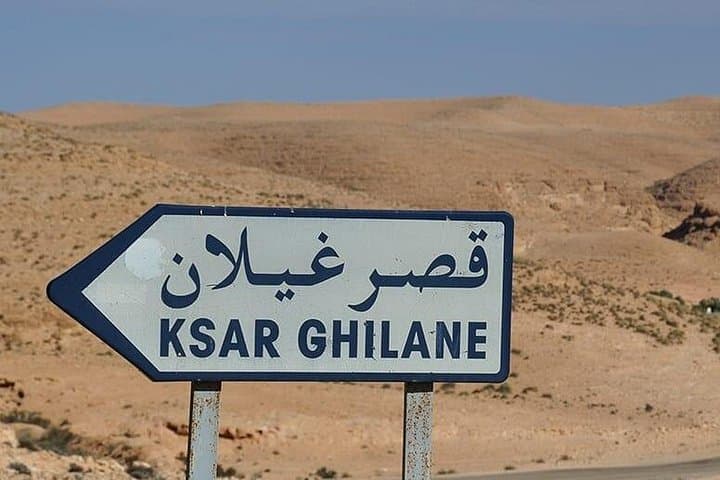


The day opens with a ribbon of asphalt giving way to a sea of ochre—sand dunes rise and fall like slow waves as the vehicle eases toward Ksar Ghilane.
The day opens with a ribbon of asphalt giving way to a sea of ochre—sand dunes rise and fall like slow waves as the vehicle eases toward Ksar Ghilane.
Arriving at the oasis, the first impression is contrast: green palms ring a small spring whose warm water steams in cooler hours, while the Grand Erg Oriental spreads beyond, inviting slow, deliberate exploration. The thermal pool is a practical reward: a place to rinse sand from boots and cool off after a short dune climb.
Ksar Hallouf, visible on a nearby hill, tells the human story: a 13th-century ksar enlarged in the 19th century, its stacked ghorfas (granary rooms) and terraced facades reflect Berber construction adapted to arid life. Geologically the landscape is recent—wind-sculpted dunes on a Sahara margin—while cultural traces mark caravan routes and oasis agriculture.
Expect easy, guided walking around the spring and the ksar, plus optional dune excursions or a short swim; lunch and bottled water are provided. Wear sneakers for sand, bring sunscreen, a swimsuit, and a towel. Morning departures avoid the peak heat; mid-afternoon light is best for photos of Ksar Hallouf’s warm stone.
Practical notes: the route typically includes a panoramic stop at roughly 420 m elevation to survey surrounding ridgelines. The tour suits most fitness levels but plan for walking on soft sand and sun exposure. Respect private oasis areas, carry out trash, and ask before photographing locals. This day trip pairs a tactile taste of desert ecology with tangible local history—accessible, sandy, and quietly expansive.