THE ADVENTURE COLLECTIVE® · Independent discovery and booking for outdoor travel

Climb the 272 steps to the Temple Cave, pass towering shrines and painted rock faces, and learn why Batu Caves is both a pilgrimage site and a rock‑climbing hub. This 90‑minute tour mixes short hikes, cultural insight, and dramatic limestone scenery.
Climb the 272 steps to the Temple Cave, pass towering shrines and painted rock faces, and learn why Batu Caves is both a pilgrimage site and a rock‑climbing hub. This 90‑minute tour mixes short hikes, cultural insight, and dramatic limestone scenery.
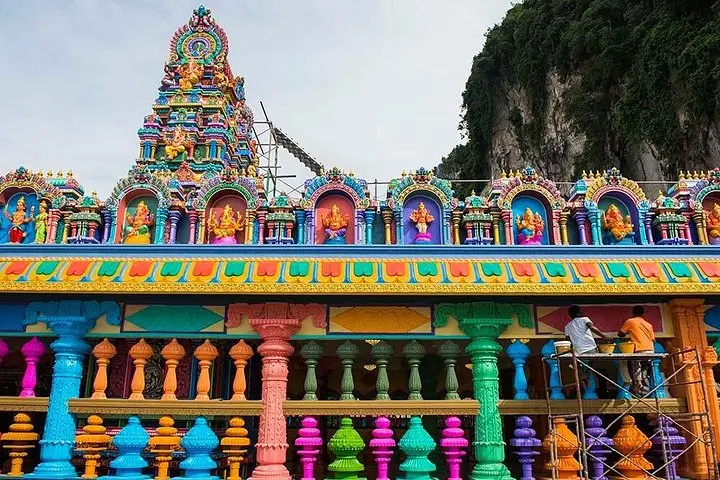
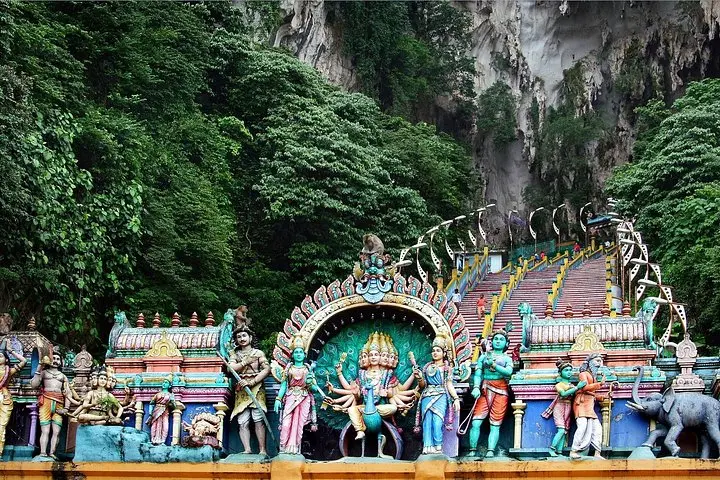
You arrive at the foot of a limestone cliff and the world shifts: a 42.7‑metre bronze Murugan stands guard as monkeys dart across sun‑washed steps. The painted 272 steps rise in a steep rhythm toward a high‑vaulted chamber where ornate shrines sit in the cool shadow of a cavern ceiling.
Verified experiences and guided adventures in the surrounding area.
Operated by RIYAS TRAVELER · Gombak, Selangor
You arrive at the foot of a limestone cliff and the world shifts: a 42.7‑metre bronze Murugan stands guard as monkeys dart across sun‑washed steps. The painted 272 steps rise in a steep rhythm toward a high‑vaulted chamber where ornate shrines sit in the cool shadow of a cavern ceiling.
The rocks here are old—roughly 400 million years of limestone carved by time—and human history layers on top. Indigenous Temuan people used the hollows first; in the late 19th century, Indian traders developed the Temple Cave and installed the consecrated murti. Today the complex houses the Temple (Cathedral) Cave, the Ramayana Cave with painted panels, and the Cave Villa (Art Gallery and Museum Cave). The site also anchors the annual Thaipusam pilgrimage, when kavadi bearers climb these very steps in a dramatic early‑morning procession.
Practicalities are straightforward. The standard guided visit runs about 90 minutes, enough to climb the stairs, explore the main shrines, pop into the Ramayana Cave and scan the limestone walls for climbing routes. Rock climbers will find more than 160 routes on the Damai crags to the northeast; routes range from beginner to expert and start at ground level.
To make the most of the visit, go early to avoid heat and crowds, wear modest clothing for temple areas, secure belongings from bold macaques, and carry water for the ascent. Respect active worshippers and preserve fragile cave art—these are living religious spaces as well as one of Malaysia’s top outdoor attractions.
This standard tour runs about 90 minutes, enough to climb the steps, visit the Temple and Ramayana Caves, and return.
Many people of varied ages do the climb; however the 272 steps are steep — take breaks and assess mobility limitations beforehand.
Access to the main outdoor areas and Temple Cave is free; some special exhibits or guided experiences may charge separately.
Yes — the Damai crags host over 160 routes. Climbers should bring their own gear or book with a local guide and follow bolting and access norms.
RIYAS TRAVELER operates guided outdoor trips and adventures with an emphasis on safety, stewardship, and memorable experiences.


You arrive at the foot of a limestone cliff and the world shifts: a 42.7‑metre bronze Murugan stands guard as monkeys dart across sun‑washed steps. The painted 272 steps rise in a steep rhythm toward a high‑vaulted chamber where ornate shrines sit in the cool shadow of a cavern ceiling.
You arrive at the foot of a limestone cliff and the world shifts: a 42.7‑metre bronze Murugan stands guard as monkeys dart across sun‑washed steps. The painted 272 steps rise in a steep rhythm toward a high‑vaulted chamber where ornate shrines sit in the cool shadow of a cavern ceiling.
The rocks here are old—roughly 400 million years of limestone carved by time—and human history layers on top. Indigenous Temuan people used the hollows first; in the late 19th century, Indian traders developed the Temple Cave and installed the consecrated murti. Today the complex houses the Temple (Cathedral) Cave, the Ramayana Cave with painted panels, and the Cave Villa (Art Gallery and Museum Cave). The site also anchors the annual Thaipusam pilgrimage, when kavadi bearers climb these very steps in a dramatic early‑morning procession.
Practicalities are straightforward. The standard guided visit runs about 90 minutes, enough to climb the stairs, explore the main shrines, pop into the Ramayana Cave and scan the limestone walls for climbing routes. Rock climbers will find more than 160 routes on the Damai crags to the northeast; routes range from beginner to expert and start at ground level.
To make the most of the visit, go early to avoid heat and crowds, wear modest clothing for temple areas, secure belongings from bold macaques, and carry water for the ascent. Respect active worshippers and preserve fragile cave art—these are living religious spaces as well as one of Malaysia’s top outdoor attractions.