
Kuala Lumpur Chinatown Michelin Food Tour: Heritage, Bak Kut Teh & Tea Tasting
Walk Petaling Street with a local guide and taste Michelin-recognized bites, century-old pastries, and a restorative Bak Kut Teh. This 3-hour tour pairs heritage stories at Guan Di Temple with hands-on food stops and a guided tea tasting.
An Adventure In Kuala Lumpur.
Walk Petaling Street with a local guide and taste Michelin-recognized bites, century-old pastries, and a restorative Bak Kut Teh. This 3-hour tour pairs heritage stories at Guan Di Temple with hands-on food stops and a guided tea tasting.
Read the full experience
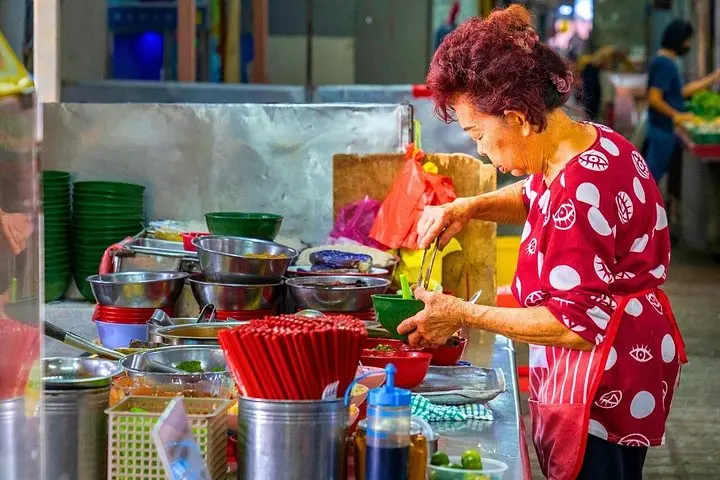
Sticky heat lifts off the pavement as you step into Petaling Street — steam from claypots curls like a signal to the senses, and the aroma of pork ribs and herbal broths threads between painted shop fronts. This three-hour guided walk threads through lantern-lit alleys, pauses at a century-old pastry shop and a tea house, and ends with a Michelin-recommended Bak Kut Teh lunch that tastes of slow-simmered tradition.
Sticky heat lifts off the pavement as you step into Petaling Street — steam from claypots curls like a signal to the senses, and the aroma of pork ribs and herbal broths threads between painted shop fronts. This three-hour guided walk threads through lantern-lit alleys, pauses at a century-old pastry shop and a tea house, and ends with a Michelin-recommended Bak Kut Teh lunch that tastes of slow-simmered tradition.
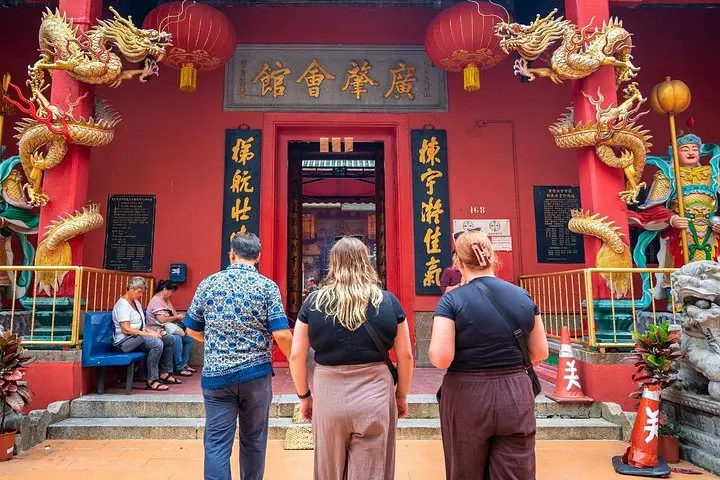
Chinatown grew where the Klang River pushed through lowland plains, attracting traders in the 19th century and a dense network of clan shops and temples. Guan Di Temple stands as a practical relic of that era, once doubling as a clan house and informal court. The area’s architecture reflects layered histories — Chinese shophouses, colonial streets, and market stalls that keep old recipes alive.
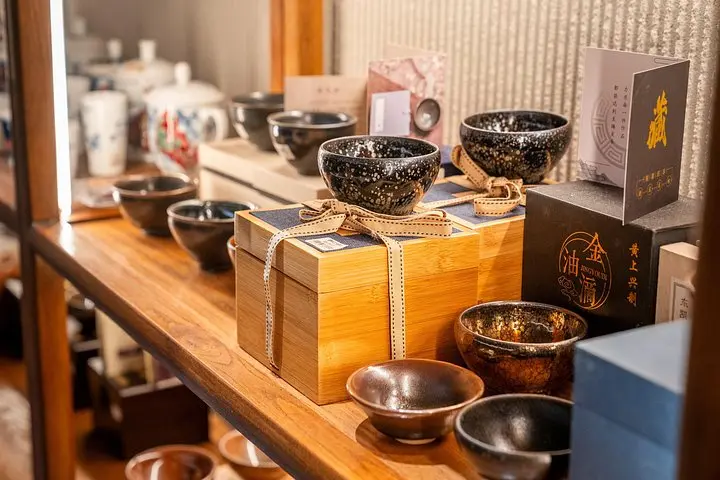
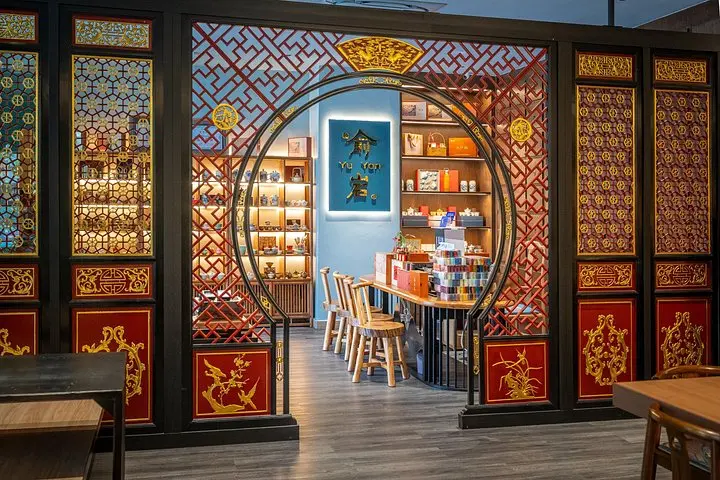
Expect close-quarters walking on mostly flat city pavements, punctuated by short queues at popular food stops. The tour combines cultural context and tasting notes: learn why particular herbs anchor Bak Kut Teh, how pastries evolved for festivals, and how tea masters read leaves to match flavor with food.
Plan for humidity and crowds: wear breathable shoes, carry water, and keep cash for small vendors. Morning or early evening slots dodge the hottest hours and heavier traffic; rain is frequent during monsoon months, so a compact umbrella helps. Bring appetite more than technical gear — curiosity, a sensible camera, and an open palate will get you the most out of Chinatown’s flavors and stories.
Frequently asked questions
Much of Chinatown’s cuisine is Chinese-style and includes pork and alcohol; travelers seeking halal options should notify the operator in advance to discuss alternatives.
Yes — the route involves short, easy walks and stops; children should be supervised around busy streets and hot food stalls.
Chinatown has narrow lanes, uneven pavements and occasional steps; accessibility is limited—contact the operator to confirm specific needs.
Yes — the tour is limited in group size and often sells out for preferred time slots; book ahead and check cancellation terms (full refund if cancelled 24+ hours prior).
About This Experience
Discova Southeast Asia operates guided outdoor trips and adventures with an emphasis on safety, stewardship, and memorable experiences.
Adventure tips
Recommended gear
- Comfortable walking shoes: Flat, breathable shoes handle uneven sidewalks and short standing lines.
- Refillable water bottle: Staying hydrated in KL’s humidity makes food tastings more enjoyable.
- Compact umbrella or lightweight rain jacket: Useful during monsoon and sudden tropical showers common in certain months.
- Small wallet or money belt: Holds cash and cards securely for purchases from street vendors and teahouses.
Photos of the experience
Related adventures & guides
Read the full experience
Sticky heat lifts off the pavement as you step into Petaling Street — steam from claypots curls like a signal to the senses, and the aroma of pork ribs and herbal broths threads between painted shop fronts. This three-hour guided walk threads through lantern-lit alleys, pauses at a century-old pastry shop and a tea house, and ends with a Michelin-recommended Bak Kut Teh lunch that tastes of slow-simmered tradition.
Sticky heat lifts off the pavement as you step into Petaling Street — steam from claypots curls like a signal to the senses, and the aroma of pork ribs and herbal broths threads between painted shop fronts. This three-hour guided walk threads through lantern-lit alleys, pauses at a century-old pastry shop and a tea house, and ends with a Michelin-recommended Bak Kut Teh lunch that tastes of slow-simmered tradition.
Chinatown grew where the Klang River pushed through lowland plains, attracting traders in the 19th century and a dense network of clan shops and temples. Guan Di Temple stands as a practical relic of that era, once doubling as a clan house and informal court. The area’s architecture reflects layered histories — Chinese shophouses, colonial streets, and market stalls that keep old recipes alive.
Expect close-quarters walking on mostly flat city pavements, punctuated by short queues at popular food stops. The tour combines cultural context and tasting notes: learn why particular herbs anchor Bak Kut Teh, how pastries evolved for festivals, and how tea masters read leaves to match flavor with food.
Plan for humidity and crowds: wear breathable shoes, carry water, and keep cash for small vendors. Morning or early evening slots dodge the hottest hours and heavier traffic; rain is frequent during monsoon months, so a compact umbrella helps. Bring appetite more than technical gear — curiosity, a sensible camera, and an open palate will get you the most out of Chinatown’s flavors and stories.
Make a day of it nearby.
Verified experiences and guided adventures in the surrounding area.