THE ADVENTURE COLLECTIVE® · Independent discovery and booking for outdoor travel

A compact, 6‑hour layover tour that moves from the limestone drama of Batu Caves to the glass pinnacles of the Petronas Towers. Ideal for cruise passengers who want a fast, guided introduction to Kuala Lumpur’s culture, history, and key photo stops.
A compact, 6‑hour layover tour that moves from the limestone drama of Batu Caves to the glass pinnacles of the Petronas Towers. Ideal for cruise passengers who want a fast, guided introduction to Kuala Lumpur’s culture, history, and key photo stops.
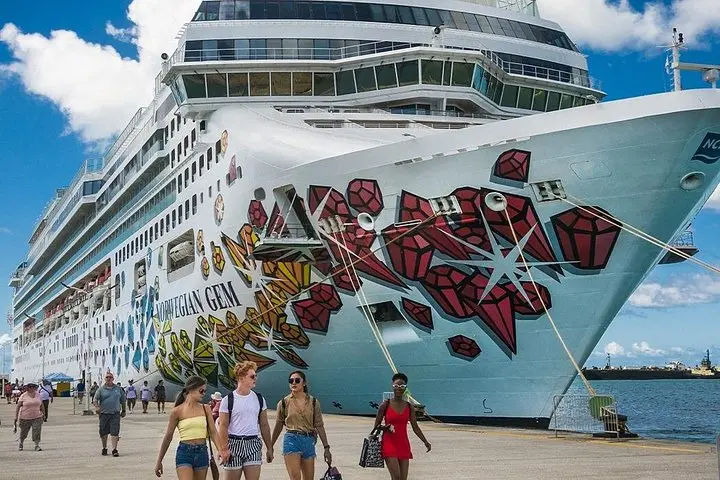
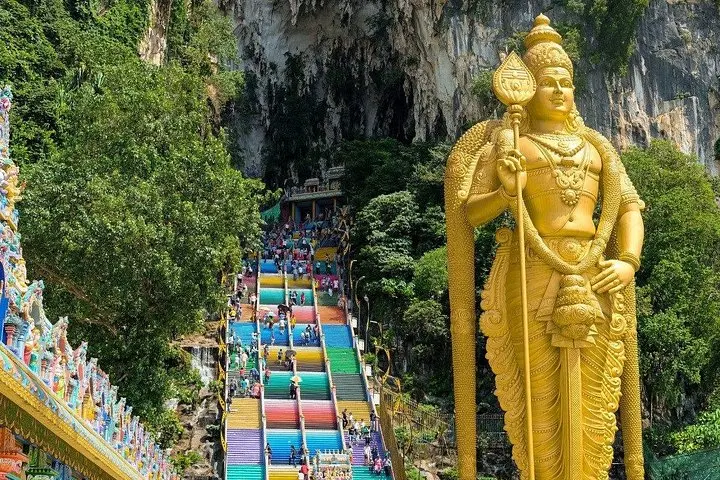
You step off the shuttle at Port Klang with humid air and a city skyline that seems to rise from the heat. Minutes later, the limestone face of Batu Caves looms—its multicolored staircase and a 140‑foot gold statue daring you upward. The climb, steep and rhythmical, rewards with cavern temples, sunlit openings, and a city stitched together below.
Verified experiences and guided adventures in the surrounding area.
Operated by Thrill Adventures Travel and Tours · Kuala Lumpur, Federal Territory of Kuala Lumpur
You step off the shuttle at Port Klang with humid air and a city skyline that seems to rise from the heat. Minutes later, the limestone face of Batu Caves looms—its multicolored staircase and a 140‑foot gold statue daring you upward. The climb, steep and rhythmical, rewards with cavern temples, sunlit openings, and a city stitched together below.
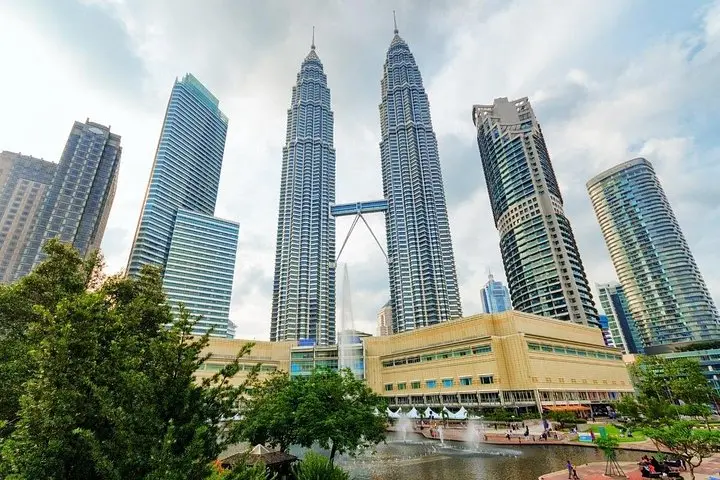
Kuala Lumpur is a modern metropole layered over British colonial architecture and ancient karst geology. Batu’s limestone is widely dated at over 400 million years old; its caves have long been a site of Hindu worship and today swell during Thaipusam. Merdeka Square marks Malaysia’s 1957 break from colonial rule, while Istana Negara and the National Mosque show the country’s constitutional monarchy and Islamic heritage in architectural form. The Petronas Twin Towers close the loop—glassy, late‑industrial icons overlooking KLCC Park.
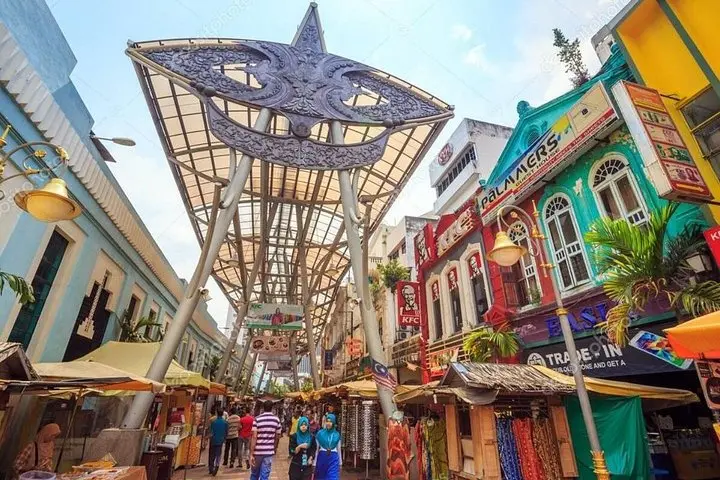
On a layover tour you’ll move fast but intentionally: temples and steps, palace gates for photos, a measured visit to the National Mosque (robes available), a stroll through the colonial station and Merdeka’s open field, then market stalls and a final stop at the Twin Towers. Expect city traffic—timing is the trip’s central variable—and plan for stairs and short walks rather than long hikes.
Practical notes: wear closed shoes for Batu Caves, carry water and sun protection, and bring a modest cover‑up for religious sites. Keep a copy of your ship’s departure time and passport on you; guides emphasize punctual returns. For a compact dive into Kuala Lumpur’s geology, faith, and civic story, this layout delivers a concentrated, walkable introduction.
Yes, entry to the cave temples is free; donations are accepted for upkeep and shrine areas.
No—this tour usually includes external viewing and time in KLCC Park; tower skybridge or observation tickets are separate and should be booked in advance if desired.
If you have limited mobility, let the operator know—there are steep steps at Batu Caves and some walking around sites.
Yes—most itineraries allot about 45–60 minutes for Central Market for shopping and snacks, enough for browsing local crafts and quick eats.
Thrill Adventures Travel and Tours operates guided outdoor trips and adventures with an emphasis on safety, stewardship, and memorable experiences.
You step off the shuttle at Port Klang with humid air and a city skyline that seems to rise from the heat. Minutes later, the limestone face of Batu Caves looms—its multicolored staircase and a 140‑foot gold statue daring you upward. The climb, steep and rhythmical, rewards with cavern temples, sunlit openings, and a city stitched together below.
You step off the shuttle at Port Klang with humid air and a city skyline that seems to rise from the heat. Minutes later, the limestone face of Batu Caves looms—its multicolored staircase and a 140‑foot gold statue daring you upward. The climb, steep and rhythmical, rewards with cavern temples, sunlit openings, and a city stitched together below.
Kuala Lumpur is a modern metropole layered over British colonial architecture and ancient karst geology. Batu’s limestone is widely dated at over 400 million years old; its caves have long been a site of Hindu worship and today swell during Thaipusam. Merdeka Square marks Malaysia’s 1957 break from colonial rule, while Istana Negara and the National Mosque show the country’s constitutional monarchy and Islamic heritage in architectural form. The Petronas Twin Towers close the loop—glassy, late‑industrial icons overlooking KLCC Park.
On a layover tour you’ll move fast but intentionally: temples and steps, palace gates for photos, a measured visit to the National Mosque (robes available), a stroll through the colonial station and Merdeka’s open field, then market stalls and a final stop at the Twin Towers. Expect city traffic—timing is the trip’s central variable—and plan for stairs and short walks rather than long hikes.
Practical notes: wear closed shoes for Batu Caves, carry water and sun protection, and bring a modest cover‑up for religious sites. Keep a copy of your ship’s departure time and passport on you; guides emphasize punctual returns. For a compact dive into Kuala Lumpur’s geology, faith, and civic story, this layout delivers a concentrated, walkable introduction.