THE ADVENTURE COLLECTIVE® · Independent discovery and booking for outdoor travel

A 7-day high-altitude trek from Rishikesh to Auli that climbs Kuari Pass along the outer rim of the Nanda Devi Sanctuary. Expect rhododendron forests, alpine meadows, steep moraine sections and sweeping views of Nanda Devi and surrounding peaks.
A 7-day high-altitude trek from Rishikesh to Auli that climbs Kuari Pass along the outer rim of the Nanda Devi Sanctuary. Expect rhododendron forests, alpine meadows, steep moraine sections and sweeping views of Nanda Devi and surrounding peaks.
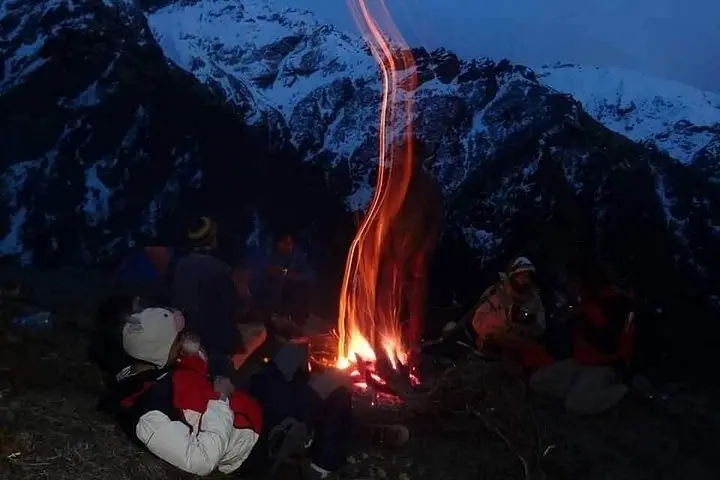
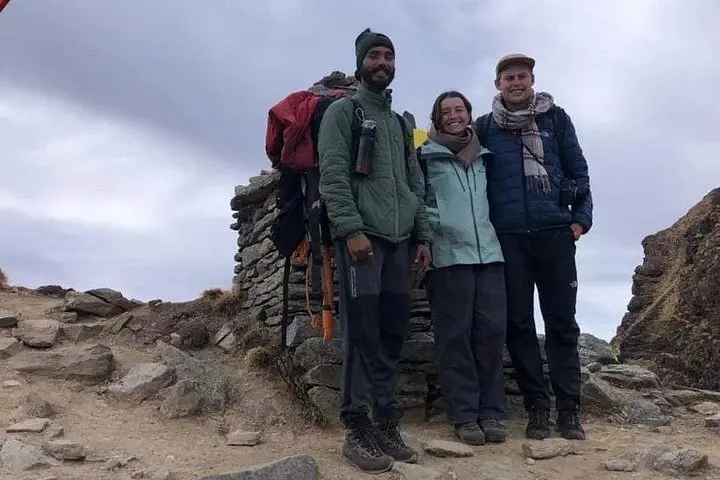
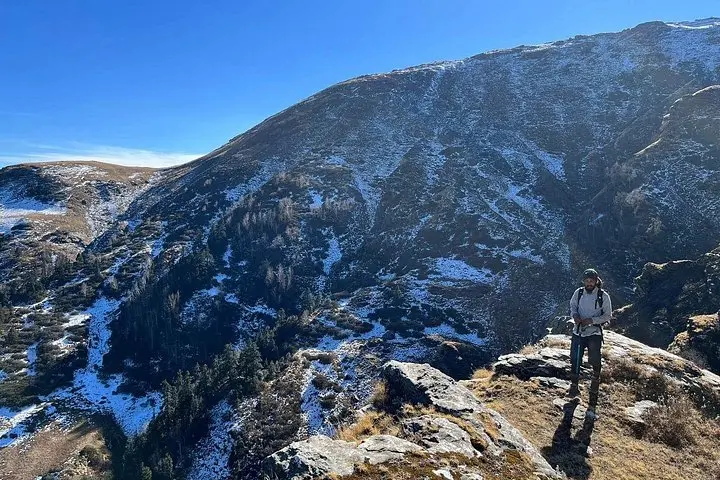
Morning light slices across high meadows as you set off from a campsite in Chamoli—the air cold and thin, the path a stitched ribbon of stone and pasture. The Kuari Pass Trek climbs from village tracks and rhododendron forests into alpine meadows where prayer flags snap like small flags of wind and the greater Himalaya lines the skyline. By the time you reach the pass, the massif of Nanda Devi and jagged neighbors dominate the view like old, watchful guardians.
Verified experiences and guided adventures in the surrounding area.
Operated by Mapping The Himalayas · Ghat / Auli region, Uttarakhand
Morning light slices across high meadows as you set off from a campsite in Chamoli—the air cold and thin, the path a stitched ribbon of stone and pasture. The Kuari Pass Trek climbs from village tracks and rhododendron forests into alpine meadows where prayer flags snap like small flags of wind and the greater Himalaya lines the skyline. By the time you reach the pass, the massif of Nanda Devi and jagged neighbors dominate the view like old, watchful guardians.
This route follows the outer wall of the Nanda Devi Sanctuary, a landscape shaped by uplifted rock, glacial moraine and river-carved valleys fed by the Alaknanda and its tributaries. Culturally the trail threads through small Garhwali settlements—vinyl banners, temple shrines and seasonal shepherding that recall centuries of high-altitude pastoralism. Geologically, expect loose moraine on descents and stable, grassy meadows like Gorson Bugyal where soil thins and views open.
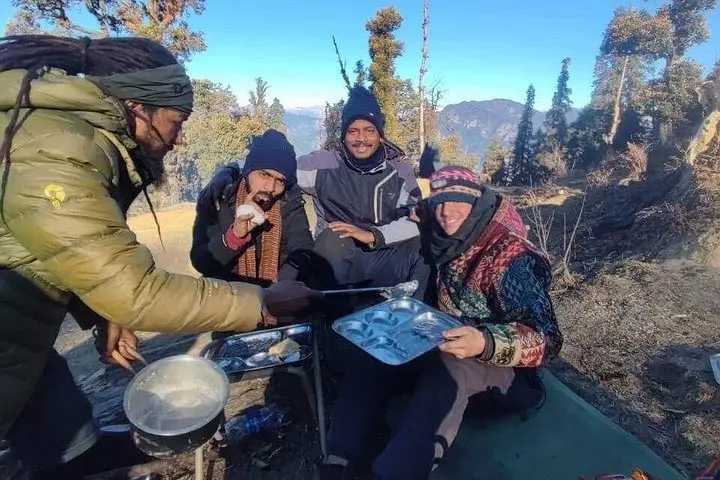
Practically, the trek is a consecutive sequence of 6–7 hour days with steady climbs to 3,800–4,200 m; the itinerary includes tented camps, a final descent into Auli and a jeep transfer to Joshimath. Carry layers for wide temperature swings, use trekking poles on steep, scree-filled stretches, and plan for slow, conservative pacing to acclimatize. Local operators generally handle permits and logistics—but bring cash for village purchases and tip support staff. The trail rewards patience: long Himalayan vistas, unexpected wildflowers, and the kind of clear-morning silence that pushes you to keep walking.
Pre-monsoon (April–June) and post-monsoon/autumn (September–November) offer the most stable weather and clear mountain views.
There are no special national-park permits for the standard Kuari Pass route, but local forest fees and village entry rules can apply; tour operators usually arrange any required permissions.
You reach 3,800–4,200 m; altitude can affect anyone—pace your ascent, stay hydrated, and watch for headaches, nausea or breathlessness.
Physically fit beginners with prior multi-day hiking experience and time to acclimatize can complete it, but guided support and conservative pacing are recommended.
Mapping The Himalayas operates guided outdoor trips and adventures with an emphasis on safety, stewardship, and memorable experiences.
Morning light slices across high meadows as you set off from a campsite in Chamoli—the air cold and thin, the path a stitched ribbon of stone and pasture. The Kuari Pass Trek climbs from village tracks and rhododendron forests into alpine meadows where prayer flags snap like small flags of wind and the greater Himalaya lines the skyline. By the time you reach the pass, the massif of Nanda Devi and jagged neighbors dominate the view like old, watchful guardians.
Morning light slices across high meadows as you set off from a campsite in Chamoli—the air cold and thin, the path a stitched ribbon of stone and pasture. The Kuari Pass Trek climbs from village tracks and rhododendron forests into alpine meadows where prayer flags snap like small flags of wind and the greater Himalaya lines the skyline. By the time you reach the pass, the massif of Nanda Devi and jagged neighbors dominate the view like old, watchful guardians.
This route follows the outer wall of the Nanda Devi Sanctuary, a landscape shaped by uplifted rock, glacial moraine and river-carved valleys fed by the Alaknanda and its tributaries. Culturally the trail threads through small Garhwali settlements—vinyl banners, temple shrines and seasonal shepherding that recall centuries of high-altitude pastoralism. Geologically, expect loose moraine on descents and stable, grassy meadows like Gorson Bugyal where soil thins and views open.
Practically, the trek is a consecutive sequence of 6–7 hour days with steady climbs to 3,800–4,200 m; the itinerary includes tented camps, a final descent into Auli and a jeep transfer to Joshimath. Carry layers for wide temperature swings, use trekking poles on steep, scree-filled stretches, and plan for slow, conservative pacing to acclimatize. Local operators generally handle permits and logistics—but bring cash for village purchases and tip support staff. The trail rewards patience: long Himalayan vistas, unexpected wildflowers, and the kind of clear-morning silence that pushes you to keep walking.