THE ADVENTURE COLLECTIVE® · Independent discovery and booking for outdoor travel

Cycle through centuries-old Malay kampongs, cross the Sarawak River by sampan, then learn to cook Sarawak laksa and kerabu in a hands-on class. This half-day blends gentle biking, river travel, and a market-to-table culinary experience.
Cycle through centuries-old Malay kampongs, cross the Sarawak River by sampan, then learn to cook Sarawak laksa and kerabu in a hands-on class. This half-day blends gentle biking, river travel, and a market-to-table culinary experience.
Pedal out of the city and into a different rhythm: bicycles click along narrow tarmac, wooden stilt houses lean toward the Sarawak River, and the air fills with the briny tang of fish and crushed lime. Morning light carves shadows beneath verandas as sampans chatter their way upriver, daring you to cross and compare two Kuchings—urban and village—within one breath.
Verified experiences and guided adventures in the surrounding area.
Operated by Paradesa Borneo · Kuching, Sarawak
Pedal out of the city and into a different rhythm: bicycles click along narrow tarmac, wooden stilt houses lean toward the Sarawak River, and the air fills with the briny tang of fish and crushed lime. Morning light carves shadows beneath verandas as sampans chatter their way upriver, daring you to cross and compare two Kuchings—urban and village—within one breath.
This outing threads culture and geography. The Malay kampongs lining the Sarawak are among the city’s oldest settlements, born of river trade and boatbuilding on alluvial flats fed by the island’s rain. The geology is simple—low-lying river plains where mud and mangrove once held sway—yet those conditions made Kuching a riverine hub and defined its foodways: fish, fresh herbs, and jungle greens.
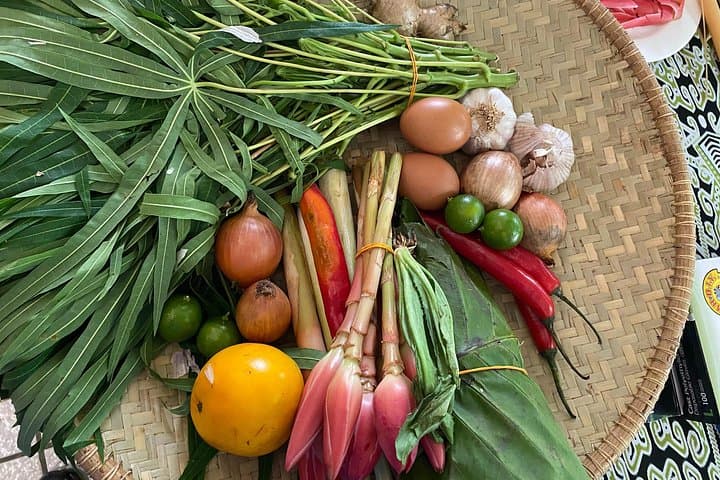
The hands-on cooking segment centers on Sarawak classics—laksa, kerabu, and jungle fern preparations—rooted in Malay, Chinese, and indigenous influences that shaped Sarawak cuisine over centuries.
Practical guide: expect a half-day expedition (roughly 6–6.5 hours) with light cycling between villages (about 8–12 km total) on flat, often shaded roads; short boat crossings on local sampans; and a seated cooking class. Elevation gain is negligible, but humidity and traffic near the city require attention.
Bring closed-toe shoes for kitchen work, sun protection, insect repellent, and a refillable bottle—the operator provides helmets and bottled water. Aim for a morning start to avoid late-day heat and to catch the liveliest market stalls. Respect local customs when photographing homes and ask before entering private spaces.
By the end you leave with more than a meal: a clear sense of how river, village life, and flavor are braided together in Kuching.
The cycling covers roughly 8–12 km of flat village roads spread across the morning, with frequent stops for market visits and photo opportunities.
Yes—helmets and bikes are provided as part of the tour, and guides ensure bikes are adjusted to fit riders.
Most operators can accommodate common dietary needs if informed in advance—indicate restrictions when booking so ingredients and recipes can be adjusted.
Children are welcome but must be accompanied by an adult; the operator notes the tour is suitable for all fitness levels but requires parental supervision for younger riders.
Paradesa Borneo operates guided outdoor trips and adventures with an emphasis on safety, stewardship, and memorable experiences.


Pedal out of the city and into a different rhythm: bicycles click along narrow tarmac, wooden stilt houses lean toward the Sarawak River, and the air fills with the briny tang of fish and crushed lime. Morning light carves shadows beneath verandas as sampans chatter their way upriver, daring you to cross and compare two Kuchings—urban and village—within one breath.
Pedal out of the city and into a different rhythm: bicycles click along narrow tarmac, wooden stilt houses lean toward the Sarawak River, and the air fills with the briny tang of fish and crushed lime. Morning light carves shadows beneath verandas as sampans chatter their way upriver, daring you to cross and compare two Kuchings—urban and village—within one breath.
This outing threads culture and geography. The Malay kampongs lining the Sarawak are among the city’s oldest settlements, born of river trade and boatbuilding on alluvial flats fed by the island’s rain. The geology is simple—low-lying river plains where mud and mangrove once held sway—yet those conditions made Kuching a riverine hub and defined its foodways: fish, fresh herbs, and jungle greens.
The hands-on cooking segment centers on Sarawak classics—laksa, kerabu, and jungle fern preparations—rooted in Malay, Chinese, and indigenous influences that shaped Sarawak cuisine over centuries.
Practical guide: expect a half-day expedition (roughly 6–6.5 hours) with light cycling between villages (about 8–12 km total) on flat, often shaded roads; short boat crossings on local sampans; and a seated cooking class. Elevation gain is negligible, but humidity and traffic near the city require attention.
Bring closed-toe shoes for kitchen work, sun protection, insect repellent, and a refillable bottle—the operator provides helmets and bottled water. Aim for a morning start to avoid late-day heat and to catch the liveliest market stalls. Respect local customs when photographing homes and ask before entering private spaces.
By the end you leave with more than a meal: a clear sense of how river, village life, and flavor are braided together in Kuching.