THE ADVENTURE COLLECTIVE® · Independent discovery and booking for outdoor travel

Spend four days between Chachapoyas, Gocta Waterfall and the mountaintop fortress of Kuelap—cloud‑forest hikes, horseback approaches and a cable‑car ascent to one of Peru’s most dramatic archaeological sites. Practical tips on altitude, timing and gear make this an achievable multi‑day exploration.
Spend four days between Chachapoyas, Gocta Waterfall and the mountaintop fortress of Kuelap—cloud‑forest hikes, horseback approaches and a cable‑car ascent to one of Peru’s most dramatic archaeological sites. Practical tips on altitude, timing and gear make this an achievable multi‑day exploration.
You arrive to a cool, mist-sheened valley where the road climbs through cloud forest and cattle-scattered pastures toward Nuevo Tingo. Horses wait at San Pablo de Valera; the path to Gocta threads moss-draped trees and ferns, then opens to a headlong drop where the 771‑meter Gocta waterfall throws itself into a green bowl below. The air tastes of wet earth; toucans call from high branches.
Verified experiences and guided adventures in the surrounding area.
Operated by VIPAC Travel · Chachapoyas, Amazonas
You arrive to a cool, mist-sheened valley where the road climbs through cloud forest and cattle-scattered pastures toward Nuevo Tingo. Horses wait at San Pablo de Valera; the path to Gocta threads moss-draped trees and ferns, then opens to a headlong drop where the 771‑meter Gocta waterfall throws itself into a green bowl below. The air tastes of wet earth; toucans call from high branches.
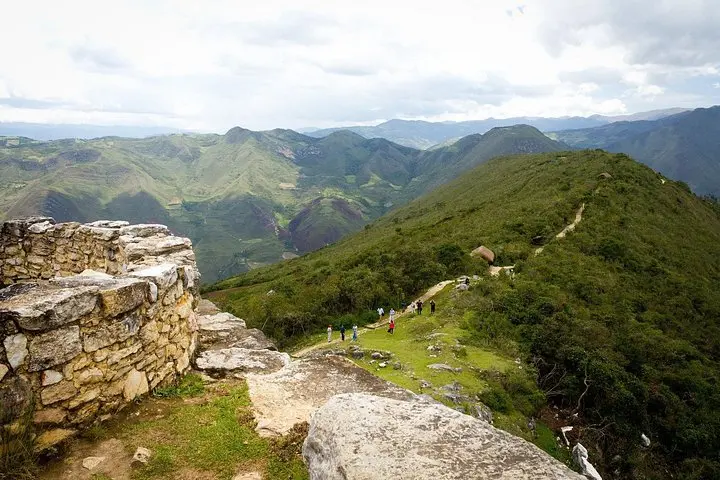
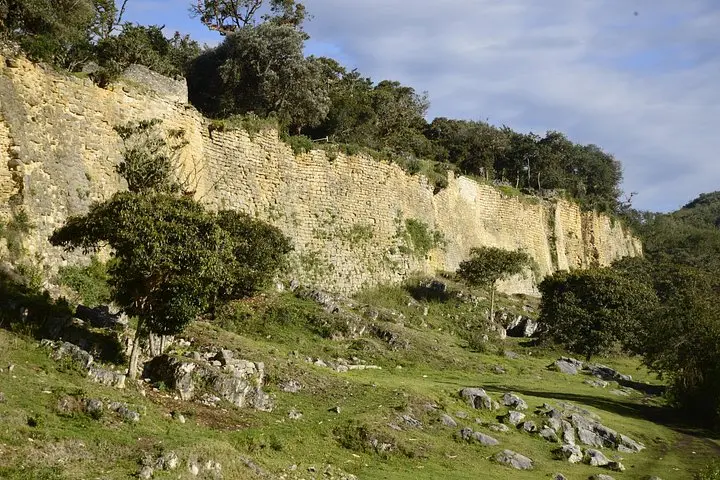
A short bus and cable‑car ride later, Kuelap sits on its ridge like a stone city—colossal walls, concentric platforms and round, decorated houses at roughly 3,000 m above sea level. Built by the Chachapoyas culture centuries before Inca influence, Kuelap’s masonry and friezes reveal a community adapted to steep Andean escarpments and cloud‑forest ecology.
Geologically the area is defined by steep river‑cut valleys and highland ridges that catch condensation and foster the lower montane cloud forest that blankets slopes around Gocta and Kuelap. Culturally, the Chachapoyas left funerary sites, sarcophagi and ceramics; modern villages maintain Quechua and mestizo traditions and hearty local cuisine.
Practically: expect moderate hiking and steep steps, some trails muddy in the wet season. Horseback options shorten approach to Gocta; the cable car makes Kuelap accessible but the site itself involves uphill walking and uneven stonework. Acclimatize in Chachapoyas, pack layers and rain protection, and time visits for morning light when visibility is best. Respect fragile trails and local guides—these landscapes recover slowly when off‑trail damage occurs.
Expect moderate effort: Gocta includes a 1.5‑hour horseback approach plus an hour walk; Kuelap involves uphill walking at high elevation with uneven stone steps.
The cable car provides the easiest access from Nuevo Tingo; alternatives include a longer, steeper hike or local transport to the trailhead.
The dry season (roughly May–September) offers better visibility and firmer trails; mornings across seasons often have the clearest light before afternoon cloud build‑up.
Yes—local stables offer horseback approaches, but riders should disclose experience and health limitations; horses reduce hiking but don’t eliminate uneven terrain at viewpoints.
VIPAC Travel operates guided outdoor trips and adventures with an emphasis on safety, stewardship, and memorable experiences.
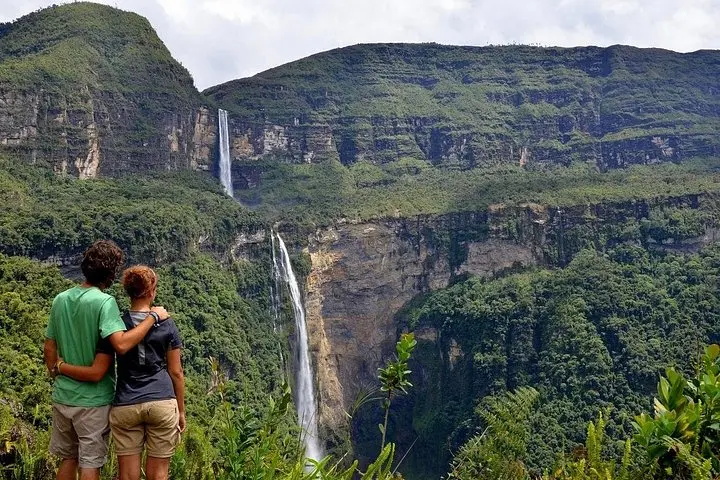
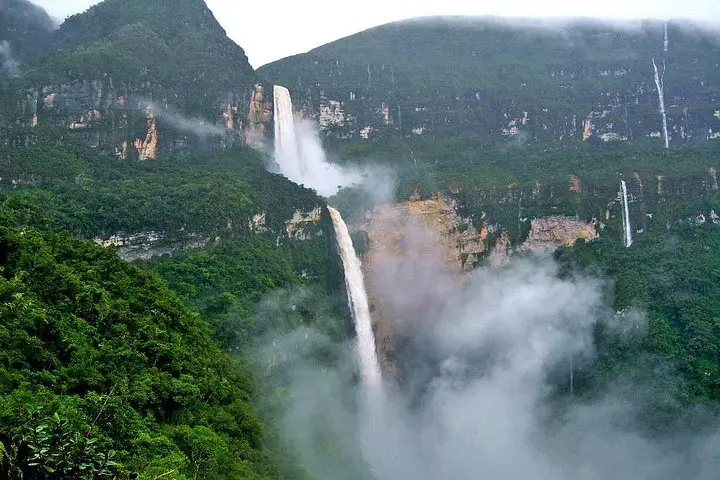
You arrive to a cool, mist-sheened valley where the road climbs through cloud forest and cattle-scattered pastures toward Nuevo Tingo. Horses wait at San Pablo de Valera; the path to Gocta threads moss-draped trees and ferns, then opens to a headlong drop where the 771‑meter Gocta waterfall throws itself into a green bowl below. The air tastes of wet earth; toucans call from high branches.
You arrive to a cool, mist-sheened valley where the road climbs through cloud forest and cattle-scattered pastures toward Nuevo Tingo. Horses wait at San Pablo de Valera; the path to Gocta threads moss-draped trees and ferns, then opens to a headlong drop where the 771‑meter Gocta waterfall throws itself into a green bowl below. The air tastes of wet earth; toucans call from high branches.
A short bus and cable‑car ride later, Kuelap sits on its ridge like a stone city—colossal walls, concentric platforms and round, decorated houses at roughly 3,000 m above sea level. Built by the Chachapoyas culture centuries before Inca influence, Kuelap’s masonry and friezes reveal a community adapted to steep Andean escarpments and cloud‑forest ecology.
Geologically the area is defined by steep river‑cut valleys and highland ridges that catch condensation and foster the lower montane cloud forest that blankets slopes around Gocta and Kuelap. Culturally, the Chachapoyas left funerary sites, sarcophagi and ceramics; modern villages maintain Quechua and mestizo traditions and hearty local cuisine.
Practically: expect moderate hiking and steep steps, some trails muddy in the wet season. Horseback options shorten approach to Gocta; the cable car makes Kuelap accessible but the site itself involves uphill walking and uneven stonework. Acclimatize in Chachapoyas, pack layers and rain protection, and time visits for morning light when visibility is best. Respect fragile trails and local guides—these landscapes recover slowly when off‑trail damage occurs.