THE ADVENTURE COLLECTIVE® · Independent discovery and booking for outdoor travel

Beat the heat and the crowds on a private day trip from Siem Reap to Phnom Kulen’s sacred plateau, swimable waterfalls, and the intricate pink-sandstone carvings at Banteay Srei, ending with the mellow light of Banteay Samre.
Beat the heat and the crowds on a private day trip from Siem Reap to Phnom Kulen’s sacred plateau, swimable waterfalls, and the intricate pink-sandstone carvings at Banteay Srei, ending with the mellow light of Banteay Samre.
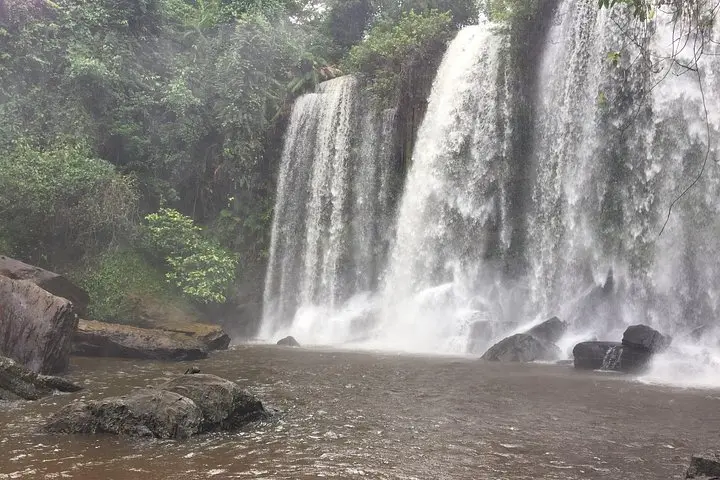
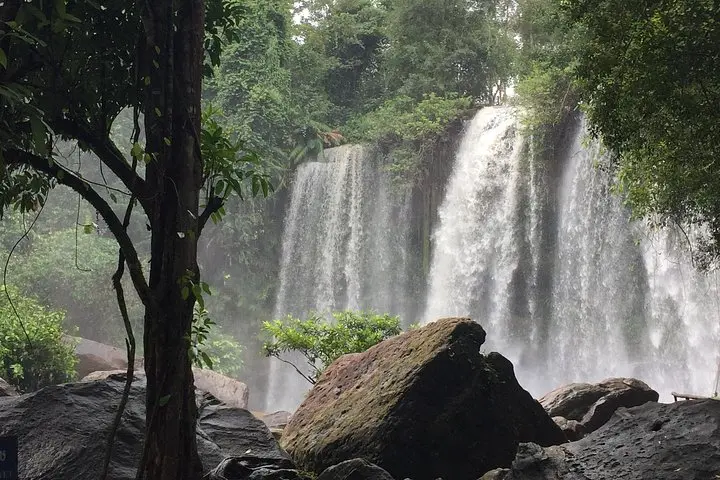
You arrive before the sun broadens the plains around Siem Reap, and the plateau of Phnom Kulen looms like a low ridge of cloud waiting to be claimed. The morning air is sharp with wet earth; the riverbed carvings and a reclining Buddha announce a place where rock and belief meet. The waterfall thunders, daring you to strip off the day’s dust and swim beneath its curtains.
Verified experiences and guided adventures in the surrounding area.
Operated by Private Tour Guide-Cambodia · Phnom Kulen, Siem Reap Province
You arrive before the sun broadens the plains around Siem Reap, and the plateau of Phnom Kulen looms like a low ridge of cloud waiting to be claimed. The morning air is sharp with wet earth; the riverbed carvings and a reclining Buddha announce a place where rock and belief meet. The waterfall thunders, daring you to strip off the day’s dust and swim beneath its curtains.
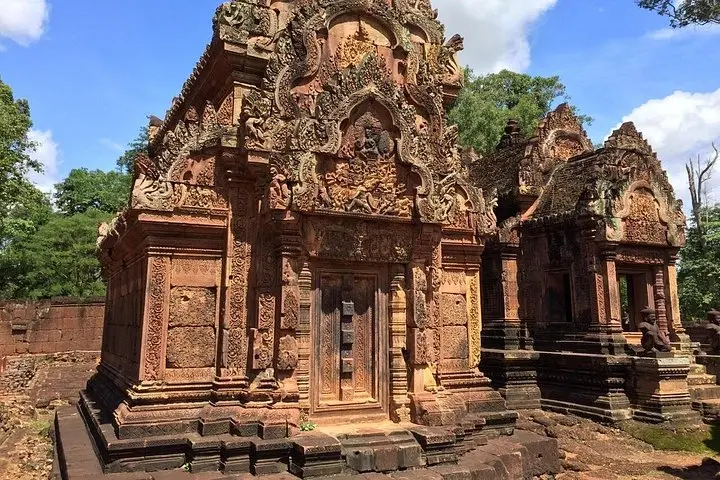
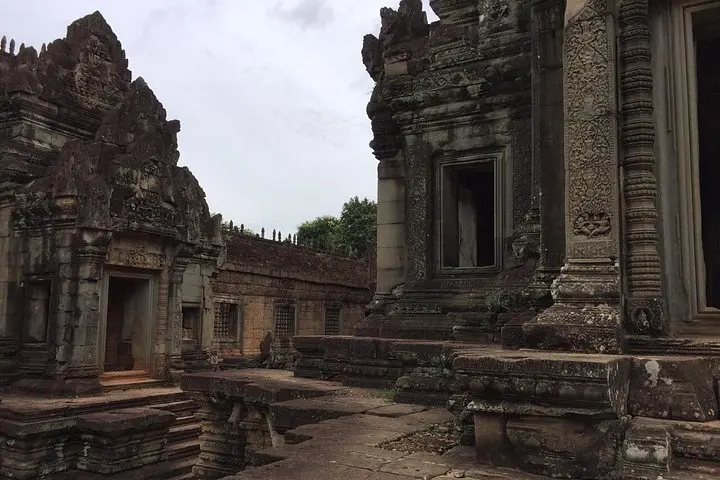
Phnom Kulen is a sacred site in Khmer history—an early seat of state power and a place of pilgrimage—with an elevation around 400–500 meters that punctures the flat Tonlé Sap plain. Geologically, the plateau is an erosion-resistant sandstone and conglomerate cap whose carved riverbed preserves ancient Hindu iconography. Banteay Srei, built in late 10th century pink sandstone, showcases unusually delicate bas-reliefs; its compact scale and warm stone provide a clear contrast to the broader, later Angkorian complexes. Banteay Samre, quieter at day’s edge, delivers long shadows and elegant laterite walls that take on color in late afternoon light.
On a practical level expect 5–7 hours of travel and walking, short staircases at temples, and uneven, sometimes slippery rock near the falls. Start early to avoid heat and crowds, carry at least 2 liters of water, and wear shoes with good traction for wet paths. Respect temple dress codes—shoulders and knees covered—and bring mosquito repellent. Photography is excellent in soft morning and late-afternoon light. The route pairs cultural immersion with a short nature escape: climb, cool off, study carving, and leave with a clearer sense of why these sites remain central to Cambodian identity.
Phnom Kulen is roughly 40–60 km northeast of Siem Reap depending on route and traffic; expect 1–1.5 hours each way by car.
Yes—there are designated swimming spots beneath the falls, but watch for slippery rocks and follow local guide instructions.
General Angkor region entrance passes cover the main temple zones; local site fees or small donations may apply at Phnom Kulen—your guide will advise.
The tour is family-friendly but uneven paths and water hazards mean supervision is required; stroller accessibility is limited at temple steps.
Private Tour Guide-Cambodia operates guided outdoor trips and adventures with an emphasis on safety, stewardship, and memorable experiences.
You arrive before the sun broadens the plains around Siem Reap, and the plateau of Phnom Kulen looms like a low ridge of cloud waiting to be claimed. The morning air is sharp with wet earth; the riverbed carvings and a reclining Buddha announce a place where rock and belief meet. The waterfall thunders, daring you to strip off the day’s dust and swim beneath its curtains.
You arrive before the sun broadens the plains around Siem Reap, and the plateau of Phnom Kulen looms like a low ridge of cloud waiting to be claimed. The morning air is sharp with wet earth; the riverbed carvings and a reclining Buddha announce a place where rock and belief meet. The waterfall thunders, daring you to strip off the day’s dust and swim beneath its curtains.
Phnom Kulen is a sacred site in Khmer history—an early seat of state power and a place of pilgrimage—with an elevation around 400–500 meters that punctures the flat Tonlé Sap plain. Geologically, the plateau is an erosion-resistant sandstone and conglomerate cap whose carved riverbed preserves ancient Hindu iconography. Banteay Srei, built in late 10th century pink sandstone, showcases unusually delicate bas-reliefs; its compact scale and warm stone provide a clear contrast to the broader, later Angkorian complexes. Banteay Samre, quieter at day’s edge, delivers long shadows and elegant laterite walls that take on color in late afternoon light.
On a practical level expect 5–7 hours of travel and walking, short staircases at temples, and uneven, sometimes slippery rock near the falls. Start early to avoid heat and crowds, carry at least 2 liters of water, and wear shoes with good traction for wet paths. Respect temple dress codes—shoulders and knees covered—and bring mosquito repellent. Photography is excellent in soft morning and late-afternoon light. The route pairs cultural immersion with a short nature escape: climb, cool off, study carving, and leave with a clearer sense of why these sites remain central to Cambodian identity.