THE ADVENTURE COLLECTIVE® · Independent discovery and booking for outdoor travel

A full-day trip from Siem Reap to Phnom Kulen offers jungle climbs, sacred river carvings and a cold waterfall swim. This guide explains what to expect, why the site matters, and how to prepare.
A full-day trip from Siem Reap to Phnom Kulen offers jungle climbs, sacred river carvings and a cold waterfall swim. This guide explains what to expect, why the site matters, and how to prepare.
You leave Siem Reap before the day has fully heated — a shared minivan pulls away through emerald rice paddies and wooden stilt houses, the road punctuated by markets and farmers tending buffalo. By the time the jungle swallows the engine noise, the air smells of wet stone and palm sugar; you can already hear water daring you uphill.
Verified experiences and guided adventures in the surrounding area.
Operated by BREKSA TRAVEL · Siem Reap, Siem Reap Province
You leave Siem Reap before the day has fully heated — a shared minivan pulls away through emerald rice paddies and wooden stilt houses, the road punctuated by markets and farmers tending buffalo. By the time the jungle swallows the engine noise, the air smells of wet stone and palm sugar; you can already hear water daring you uphill.
Phnom Kulen is where the Khmer state announced itself: the mountain acted as a ceremonial heart of the Angkor polity, with Jayavarman-era carvings and thousands of lingas cut into the riverbed. Geologically, Kulen is a weathered sandstone plateau and limestone-fed springs that filter water into those crystalline pools; culturally the site remains a place of active worship — monks, incense, and offerings thread through the visitor experience.
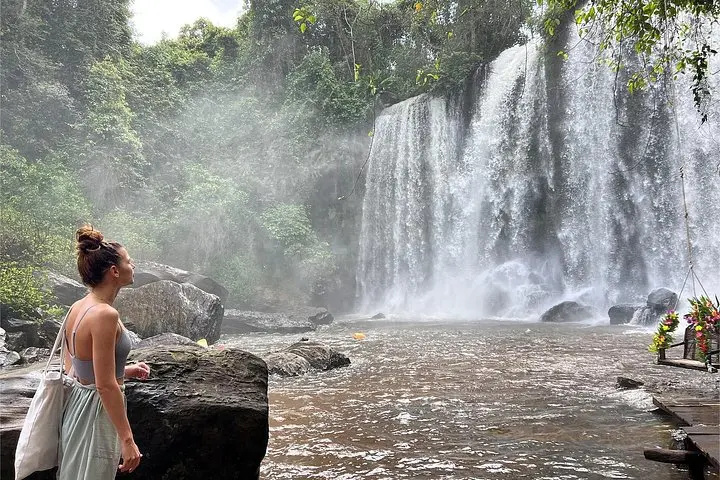
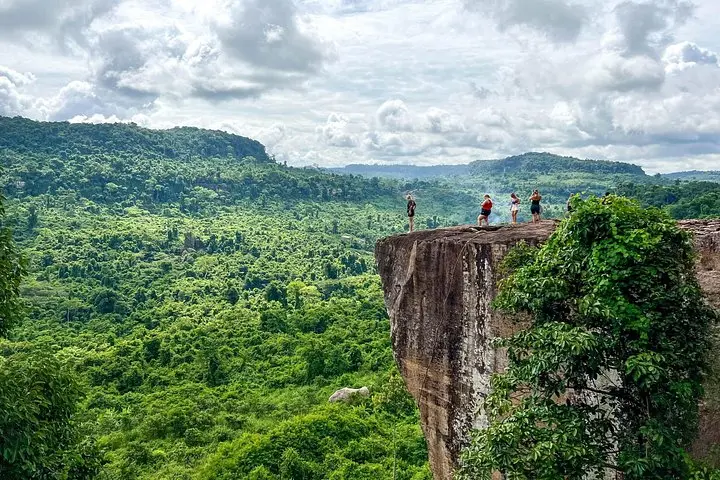
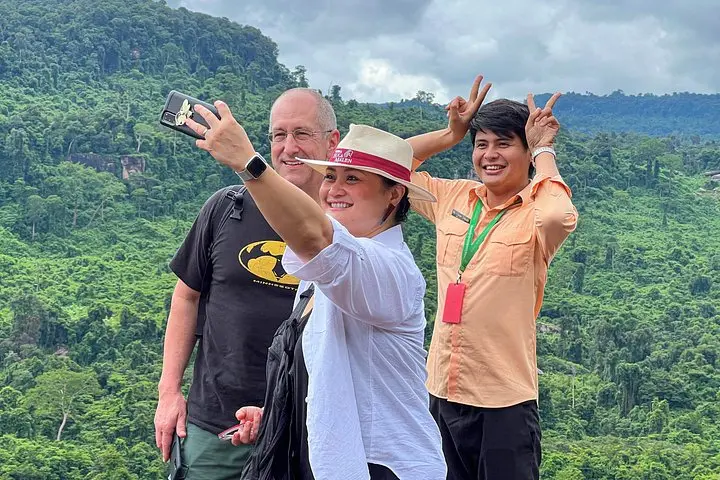
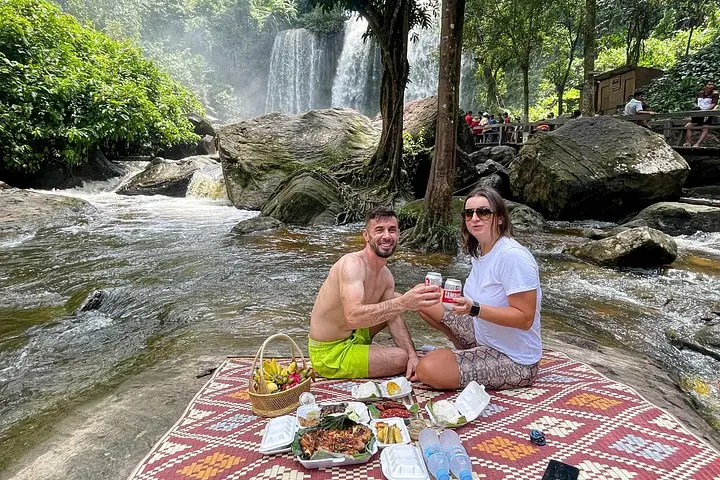
The tour typically visits Palm Sugar Village, a hilltop viewpoint, the 8‑meter reclining Buddha carved into bedrock, the River of a Thousand Lingas, and the waterfall swim spot where picnic lunch is served on smooth rocks. Expect short uphill walks, uneven stone steps, and clearly sacred areas where photography or entry may be restricted.
Practical notes: bring water shoes for slippery rocks, a swimsuit and quick-dry towel, sun protection and insect repellent, and modest clothing for temple stops. The guide handles permits and transport; hotel pickup and admission are usually included. Time your visit in the morning to avoid peak heat and heavier crowds. Respect carved riverbeds and local rituals — leave no trace and treat this combination of wild water and living heritage with care.
Yes—pools are clear and usually calm; water is cold. Use caution on slippery rocks and follow your guide's instructions.
Most small-group tours include national park admission; confirm on booking and keep your guide's confirmation handy.
Wear modest clothing for sacred sites (shoulders and knees covered) and bring swimwear to change into at the waterfall area.
The tour is rated easy and suitable for most ages, though there are uneven sections and some short climbs—notify operators of mobility concerns.
BREKSA TRAVEL operates guided outdoor trips and adventures with an emphasis on safety, stewardship, and memorable experiences.
You leave Siem Reap before the day has fully heated — a shared minivan pulls away through emerald rice paddies and wooden stilt houses, the road punctuated by markets and farmers tending buffalo. By the time the jungle swallows the engine noise, the air smells of wet stone and palm sugar; you can already hear water daring you uphill.
You leave Siem Reap before the day has fully heated — a shared minivan pulls away through emerald rice paddies and wooden stilt houses, the road punctuated by markets and farmers tending buffalo. By the time the jungle swallows the engine noise, the air smells of wet stone and palm sugar; you can already hear water daring you uphill.
Phnom Kulen is where the Khmer state announced itself: the mountain acted as a ceremonial heart of the Angkor polity, with Jayavarman-era carvings and thousands of lingas cut into the riverbed. Geologically, Kulen is a weathered sandstone plateau and limestone-fed springs that filter water into those crystalline pools; culturally the site remains a place of active worship — monks, incense, and offerings thread through the visitor experience.
The tour typically visits Palm Sugar Village, a hilltop viewpoint, the 8‑meter reclining Buddha carved into bedrock, the River of a Thousand Lingas, and the waterfall swim spot where picnic lunch is served on smooth rocks. Expect short uphill walks, uneven stone steps, and clearly sacred areas where photography or entry may be restricted.
Practical notes: bring water shoes for slippery rocks, a swimsuit and quick-dry towel, sun protection and insect repellent, and modest clothing for temple stops. The guide handles permits and transport; hotel pickup and admission are usually included. Time your visit in the morning to avoid peak heat and heavier crowds. Respect carved riverbeds and local rituals — leave no trace and treat this combination of wild water and living heritage with care.