THE ADVENTURE COLLECTIVE® · Independent discovery and booking for outdoor travel

Spend an evening in Kumamoto with a local guide: two hours in a legendary beer hall followed by karaoke and drinks in a Showa-era snack bar. Expect intimate interiors, local dishes, and a foot-friendly urban stroll between venues.
Spend an evening in Kumamoto with a local guide: two hours in a legendary beer hall followed by karaoke and drinks in a Showa-era snack bar. Expect intimate interiors, local dishes, and a foot-friendly urban stroll between venues.
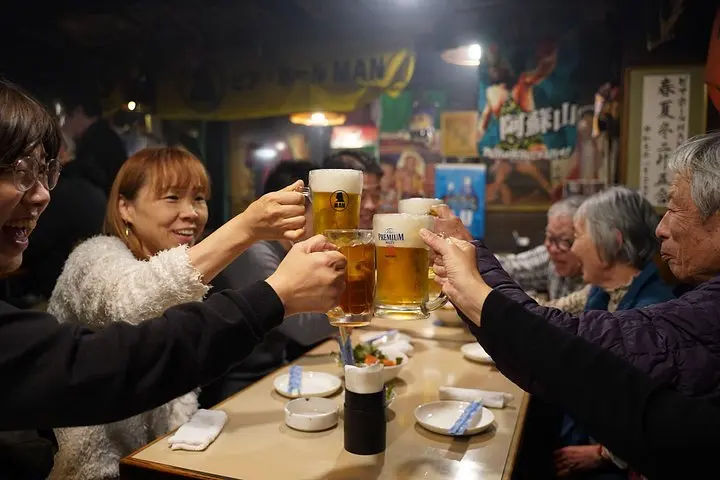
Streetlights pool across the pavement as you step out from Kumamoto’s Shimotori arcade; neon signs call, laughter threads through alleys, and the city leans into night like an old friend offering a new secret. This tour moves at that comfortable pace—two hours in a time-honored beer hall followed by lively karaoke at a Showa-era snack bar—so you feel the city first by taste, then by sound.
Verified experiences and guided adventures in the surrounding area.
Operated by H.I.S.Co., Ltd. · Kumamoto, Kumamoto Prefecture
Streetlights pool across the pavement as you step out from Kumamoto’s Shimotori arcade; neon signs call, laughter threads through alleys, and the city leans into night like an old friend offering a new secret. This tour moves at that comfortable pace—two hours in a time-honored beer hall followed by lively karaoke at a Showa-era snack bar—so you feel the city first by taste, then by sound.
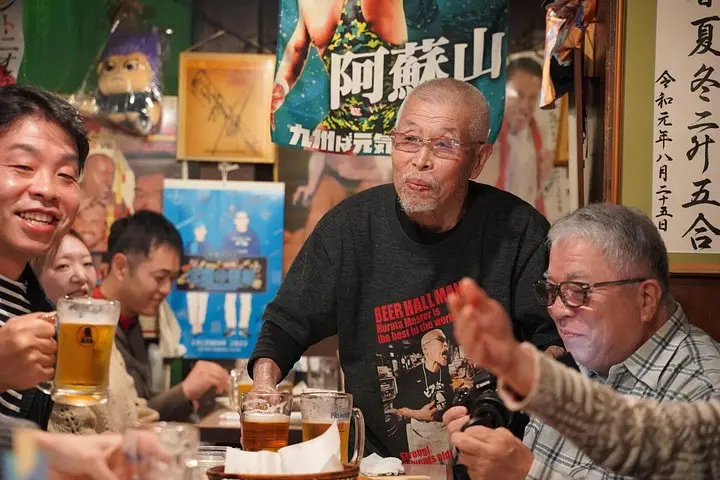
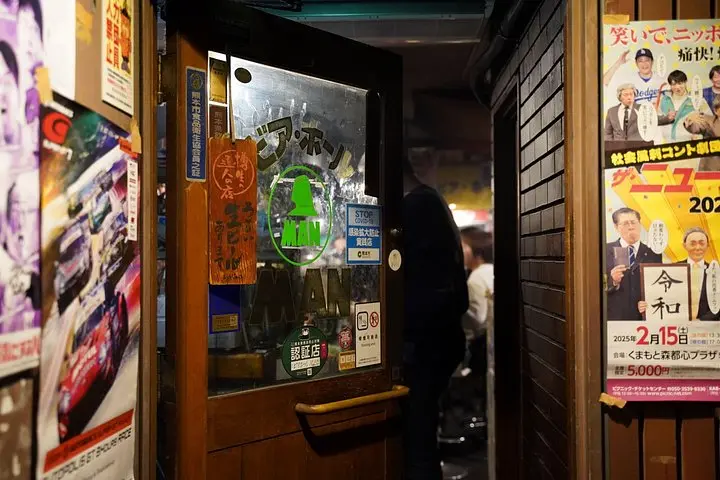
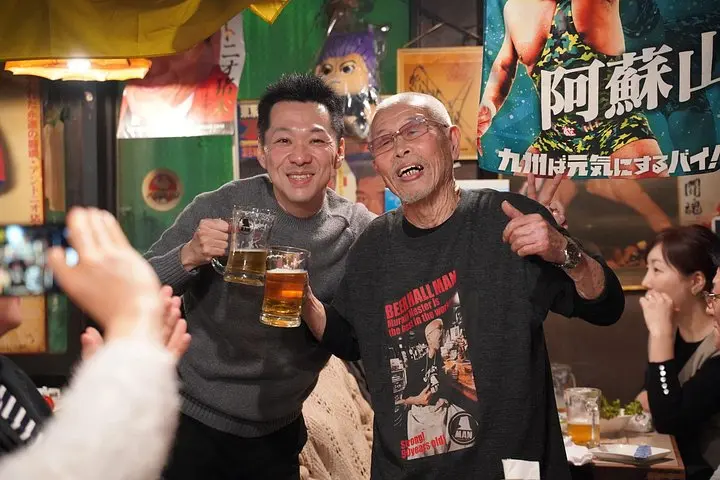
Kumamoto’s nightlife grew alongside its postwar recovery, with beer halls and snack bars becoming social anchors where salarymen, students and neighbors converged. The tour’s Beer Hall MAN dates to 1976 and carries the low-ceiling warmth common to Japanese beer halls, while Myojo Punch channels mid-20th-century pop culture with vinyl, posters and a hands-on DJ-owner. Both venues reflect the city’s culture: direct hospitality, emphasis on sharing small plates, and local beer and shochu choices.
Expect compact interiors, counter seating, and songs that invite everyone up to the mic. The walk between stops is short—city blocks and covered shopping arcades—paved and mostly flat, making the evening accessible for most travelers.
Practical guide: bring ID and some cash (many small bars accept cash only), wear comfortable shoes for standing and short walks, and set aside time to order slowly—food arrives in small plates meant for sharing. Public transport and taxis are readily available late, but plan your last train time. Finally, drink respectfully: these are local businesses with long histories; a light touch and friendly curiosity will open more doors than a loud entrance.
Yes—venues serve food and non-alcoholic drinks; inform the guide in advance so they can accommodate alternatives.
Many traditional izakayas and snack bars have narrow entrances or steps; notify the operator ahead for accessibility guidance and alternative options.
An English-speaking local guide is included to explain menus, etiquette, and help with orders and interaction at venues.
Yes—inform the operator at booking about allergies or dietary needs so the guide can choose appropriate dishes and communicate them to venues.
H.I.S.Co., Ltd. operates guided outdoor trips and adventures with an emphasis on safety, stewardship, and memorable experiences.
Streetlights pool across the pavement as you step out from Kumamoto’s Shimotori arcade; neon signs call, laughter threads through alleys, and the city leans into night like an old friend offering a new secret. This tour moves at that comfortable pace—two hours in a time-honored beer hall followed by lively karaoke at a Showa-era snack bar—so you feel the city first by taste, then by sound.
Streetlights pool across the pavement as you step out from Kumamoto’s Shimotori arcade; neon signs call, laughter threads through alleys, and the city leans into night like an old friend offering a new secret. This tour moves at that comfortable pace—two hours in a time-honored beer hall followed by lively karaoke at a Showa-era snack bar—so you feel the city first by taste, then by sound.
Kumamoto’s nightlife grew alongside its postwar recovery, with beer halls and snack bars becoming social anchors where salarymen, students and neighbors converged. The tour’s Beer Hall MAN dates to 1976 and carries the low-ceiling warmth common to Japanese beer halls, while Myojo Punch channels mid-20th-century pop culture with vinyl, posters and a hands-on DJ-owner. Both venues reflect the city’s culture: direct hospitality, emphasis on sharing small plates, and local beer and shochu choices.
Expect compact interiors, counter seating, and songs that invite everyone up to the mic. The walk between stops is short—city blocks and covered shopping arcades—paved and mostly flat, making the evening accessible for most travelers.
Practical guide: bring ID and some cash (many small bars accept cash only), wear comfortable shoes for standing and short walks, and set aside time to order slowly—food arrives in small plates meant for sharing. Public transport and taxis are readily available late, but plan your last train time. Finally, drink respectfully: these are local businesses with long histories; a light touch and friendly curiosity will open more doors than a loud entrance.