THE ADVENTURE COLLECTIVE® · Independent discovery and booking for outdoor travel

Ride a 4x4 through Kumana’s lagoons at dawn to watch migratory flocks and resident waterbirds. This three-hour safari focuses on safe, guided wildlife viewing in low, coastal wetlands best visited November–April.
Ride a 4x4 through Kumana’s lagoons at dawn to watch migratory flocks and resident waterbirds. This three-hour safari focuses on safe, guided wildlife viewing in low, coastal wetlands best visited November–April.
You climb into a raised 4x4 as dawn pries light across shallow lagoons; the air smells of wet earth and salt, and reeds stir like pages turned by a careful wind. The jeep moves along rutted tracks that thread mangrove edges and grassy marshes, stopping where flocks gather and a guide’s whisper points to a bright flash of wing.
Verified experiences and guided adventures in the surrounding area.
Operated by Lakpura LLC · Pottuvil, Eastern Province
You climb into a raised 4x4 as dawn pries light across shallow lagoons; the air smells of wet earth and salt, and reeds stir like pages turned by a careful wind. The jeep moves along rutted tracks that thread mangrove edges and grassy marshes, stopping where flocks gather and a guide’s whisper points to a bright flash of wing.
Kumana sits on Sri Lanka’s southeast coast, a mosaic of lagoons, riverine floodplains and low scrub that has long attracted migratory birds from as far as Siberia and Central Asia. Geologically it’s recent coastal plain—near sea level, with sandy soils and tidal influence—so habitat shifts with the seasons. Culturally the area links to local fishing villages around Pottuvil and traditional wetland uses that have coexisted with wildlife for generations.
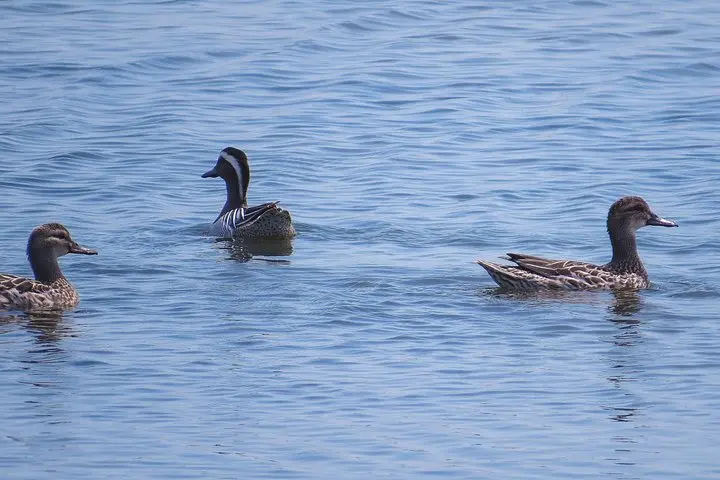
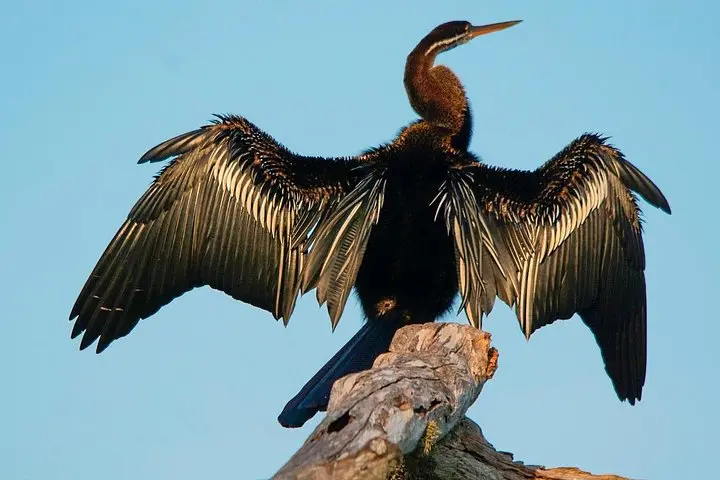
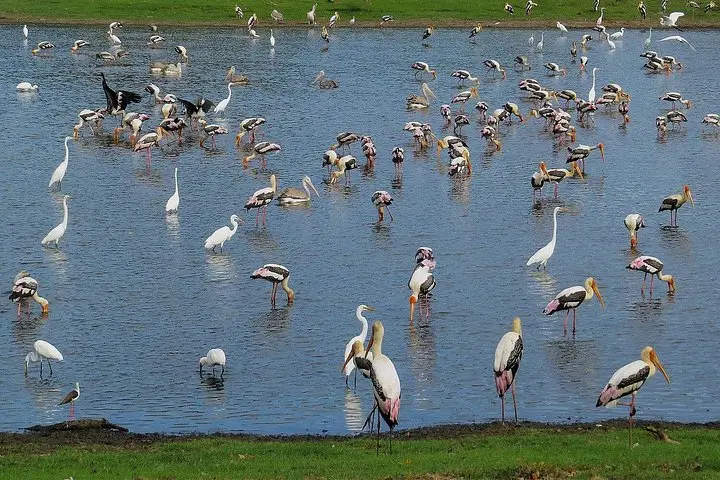
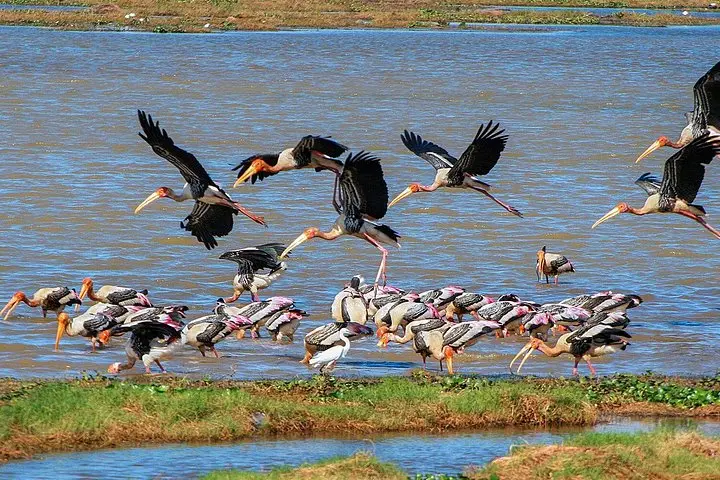
In practice the safari is about reading the landscape: scanning reed beds for rails, logging waders along mudflats, and watching raptor silhouettes stake territory. Expect three hours of mostly seated viewing, punctuated by short stops; the guide handles vehicle positioning and safety around elephants or buffalo.
Plan early-morning drives for best light and active birds; November–April brings the largest migratory concentrations. Bring a 300mm+ lens or binoculars, a sun hat, insect repellent, and a lightweight jacket for spray and cool early hours. Follow your guide’s instructions, stay in the vehicle, and keep camera noise low—the wetland has its own rhythm and it rewards patience with startlingly close encounters.
November through April is the peak migratory season when the park hosts the highest variety and numbers of wintering species.
Yes—Kumana has elephants, buffalo and deer; sightings depend on season and time of day, and guides prioritize safety and distance.
No; the tour is primarily seated in a 4WD, with occasional short, uneven walks—moderate fitness is recommended.
Guides position vehicles for good views, but you should not leave the jeep near large wildlife; long lenses and quiet shooting work best.
Lakpura LLC operates guided outdoor trips and adventures with an emphasis on safety, stewardship, and memorable experiences.
You climb into a raised 4x4 as dawn pries light across shallow lagoons; the air smells of wet earth and salt, and reeds stir like pages turned by a careful wind. The jeep moves along rutted tracks that thread mangrove edges and grassy marshes, stopping where flocks gather and a guide’s whisper points to a bright flash of wing.
You climb into a raised 4x4 as dawn pries light across shallow lagoons; the air smells of wet earth and salt, and reeds stir like pages turned by a careful wind. The jeep moves along rutted tracks that thread mangrove edges and grassy marshes, stopping where flocks gather and a guide’s whisper points to a bright flash of wing.
Kumana sits on Sri Lanka’s southeast coast, a mosaic of lagoons, riverine floodplains and low scrub that has long attracted migratory birds from as far as Siberia and Central Asia. Geologically it’s recent coastal plain—near sea level, with sandy soils and tidal influence—so habitat shifts with the seasons. Culturally the area links to local fishing villages around Pottuvil and traditional wetland uses that have coexisted with wildlife for generations.
In practice the safari is about reading the landscape: scanning reed beds for rails, logging waders along mudflats, and watching raptor silhouettes stake territory. Expect three hours of mostly seated viewing, punctuated by short stops; the guide handles vehicle positioning and safety around elephants or buffalo.
Plan early-morning drives for best light and active birds; November–April brings the largest migratory concentrations. Bring a 300mm+ lens or binoculars, a sun hat, insect repellent, and a lightweight jacket for spray and cool early hours. Follow your guide’s instructions, stay in the vehicle, and keep camera noise low—the wetland has its own rhythm and it rewards patience with startlingly close encounters.