THE ADVENTURE COLLECTIVE® · Independent discovery and booking for outdoor travel

Spend two nights camping inside Kumana National Park for a concentrated wildlife and birdwatching experience. Four safari sessions, full-board meals and guided drives put you where the lagoon, marsh and forest meet the coast.
Spend two nights camping inside Kumana National Park for a concentrated wildlife and birdwatching experience. Four safari sessions, full-board meals and guided drives put you where the lagoon, marsh and forest meet the coast.
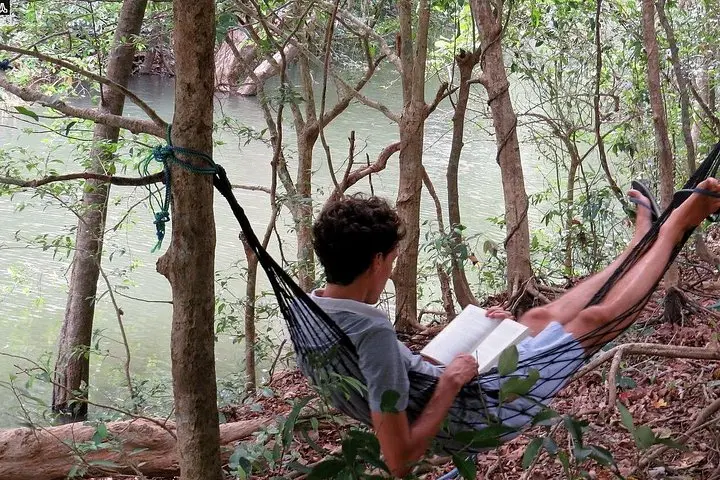
Dawn arrives over Kumana like a slow film: the lagoon lights first, then the reed-lines, then an impatient flock that begins calling the day into being. On a two-night camping circuit here you move with that rhythm—pre-dawn game drives, midday rest in a shaded camp, late-afternoon safaris when the light slants gold across marsh and mangrove.
Verified experiences and guided adventures in the surrounding area.
Operated by Lakpura LLC · Pottuvil, Eastern Province
Dawn arrives over Kumana like a slow film: the lagoon lights first, then the reed-lines, then an impatient flock that begins calling the day into being. On a two-night camping circuit here you move with that rhythm—pre-dawn game drives, midday rest in a shaded camp, late-afternoon safaris when the light slants gold across marsh and mangrove.
Kumana sits on Sri Lanka’s southeast coast where coastal lagoons meet dry-zone scrub; the park’s shallow lakes and mudflats attract resident and migratory waterbirds, while forests and grasslands support elephants, deer and common leopard sightings in peripheral areas. The land records tectonic uplift and ancient coastal sedimentation, and local villages still fish and farm around the park’s margins, offering a glimpse of human life tied to seasonal wetlands.
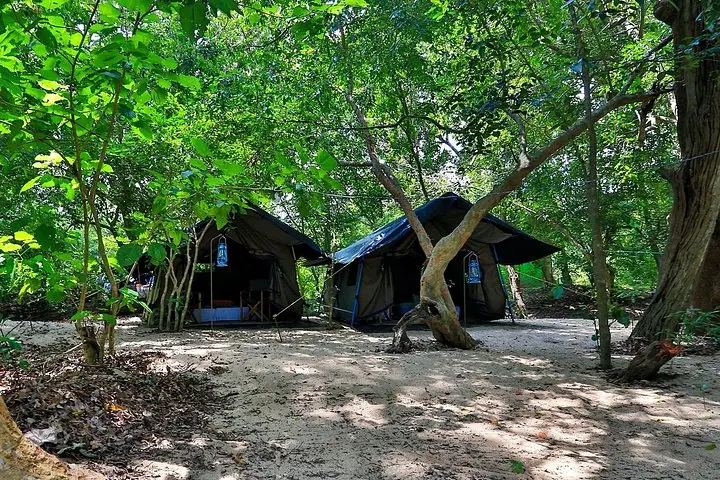
Expect four scheduled safari sessions across two nights—early morning and late afternoon drives maximize wildlife activity. Camp setups range from standard to premium: mattresses, clean linen and separate washrooms are typically provided, with full-board meals and a B.B.Q. dinner in the itinerary. Guides steer routes toward river mouths, lagoons and marsh edges where birds congregate and elephants approach freshwater.
Practical notes: bring insect repellent, solid footwear for uneven ground, and sun protection; pack a headlamp for the camp at night. Hydrate before and after drives; mornings are the best time for birding and photography. Respect park boundaries, follow guides’ instructions around large mammals, and be prepared for warm, dusty conditions—Kumana rewards patience with close encounters and a vivid, elemental coastal-wetland landscape.
Yes—mattresses, pillows and clean linen are typically provided; tents are either pre-erected by staff or set up on arrival depending on the package.
Guided safaris follow routes and safety protocols; avoid walking alone and always follow your guide’s instructions around elephants and potential leopard country.
Children can join but operators may require they sit on laps for transport or notify special needs in advance; check age restrictions before booking.
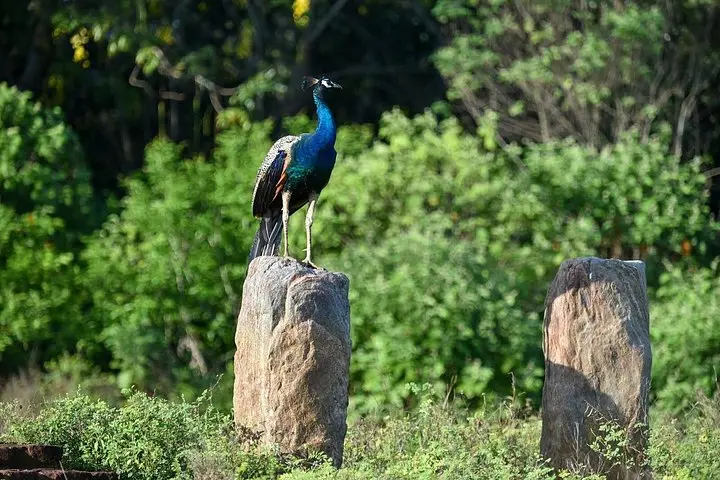
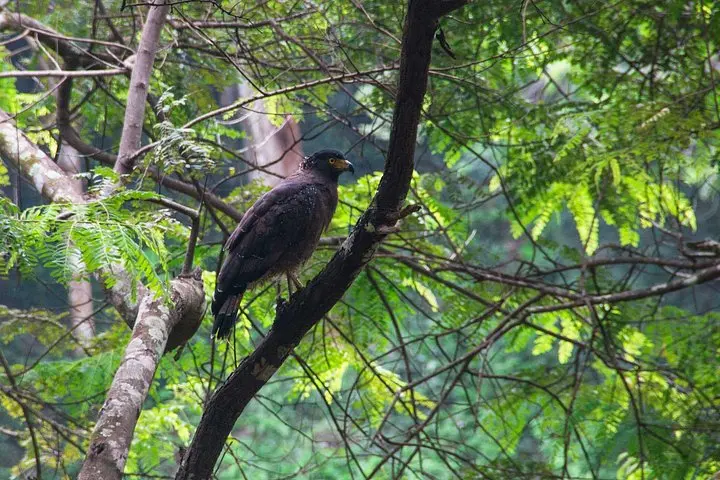
Expect waterbirds (including migratory species in season), elephants near water sources, sambar and spotted deer, and occasional sightings of smaller carnivores and reptiles.
Lakpura LLC operates guided outdoor trips and adventures with an emphasis on safety, stewardship, and memorable experiences.
Dawn arrives over Kumana like a slow film: the lagoon lights first, then the reed-lines, then an impatient flock that begins calling the day into being. On a two-night camping circuit here you move with that rhythm—pre-dawn game drives, midday rest in a shaded camp, late-afternoon safaris when the light slants gold across marsh and mangrove.
Dawn arrives over Kumana like a slow film: the lagoon lights first, then the reed-lines, then an impatient flock that begins calling the day into being. On a two-night camping circuit here you move with that rhythm—pre-dawn game drives, midday rest in a shaded camp, late-afternoon safaris when the light slants gold across marsh and mangrove.
Kumana sits on Sri Lanka’s southeast coast where coastal lagoons meet dry-zone scrub; the park’s shallow lakes and mudflats attract resident and migratory waterbirds, while forests and grasslands support elephants, deer and common leopard sightings in peripheral areas. The land records tectonic uplift and ancient coastal sedimentation, and local villages still fish and farm around the park’s margins, offering a glimpse of human life tied to seasonal wetlands.
Expect four scheduled safari sessions across two nights—early morning and late afternoon drives maximize wildlife activity. Camp setups range from standard to premium: mattresses, clean linen and separate washrooms are typically provided, with full-board meals and a B.B.Q. dinner in the itinerary. Guides steer routes toward river mouths, lagoons and marsh edges where birds congregate and elephants approach freshwater.
Practical notes: bring insect repellent, solid footwear for uneven ground, and sun protection; pack a headlamp for the camp at night. Hydrate before and after drives; mornings are the best time for birding and photography. Respect park boundaries, follow guides’ instructions around large mammals, and be prepared for warm, dusty conditions—Kumana rewards patience with close encounters and a vivid, elemental coastal-wetland landscape.