THE ADVENTURE COLLECTIVE® · Independent discovery and booking for outdoor travel

Two days in Kumasi mix palace history, bustling markets and hands‑on textile craft. This private tour pairs city highlights with village weaving and Adinkra printing for a compact cultural immersion.
Two days in Kumasi mix palace history, bustling markets and hands‑on textile craft. This private tour pairs city highlights with village weaving and Adinkra printing for a compact cultural immersion.
The bus eases into Kumasi as sunlight slides across corrugated roofs and street vendors unwrap bolts of color — Ghana’s second city arrives like a market card shuffled across the table.
Verified experiences and guided adventures in the surrounding area.
Operated by Ghana Must Go Tours · Kumasi, Ashanti Region
The bus eases into Kumasi as sunlight slides across corrugated roofs and street vendors unwrap bolts of color — Ghana’s second city arrives like a market card shuffled across the table.
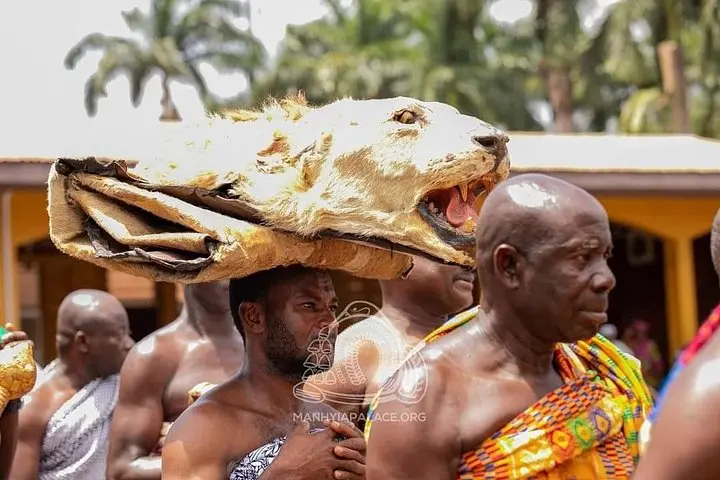
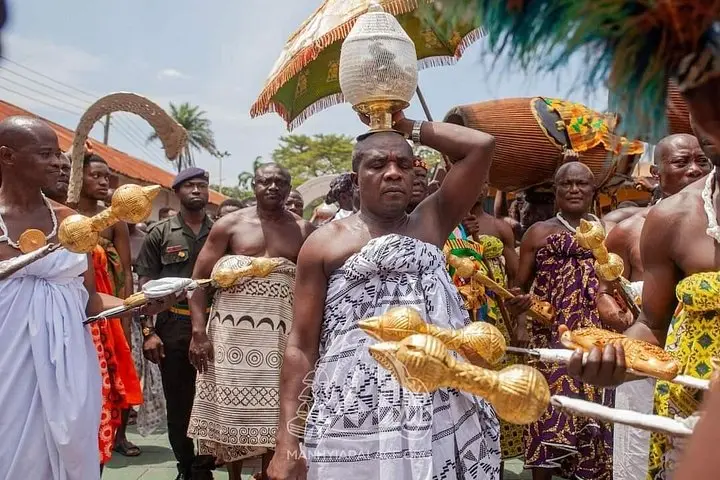
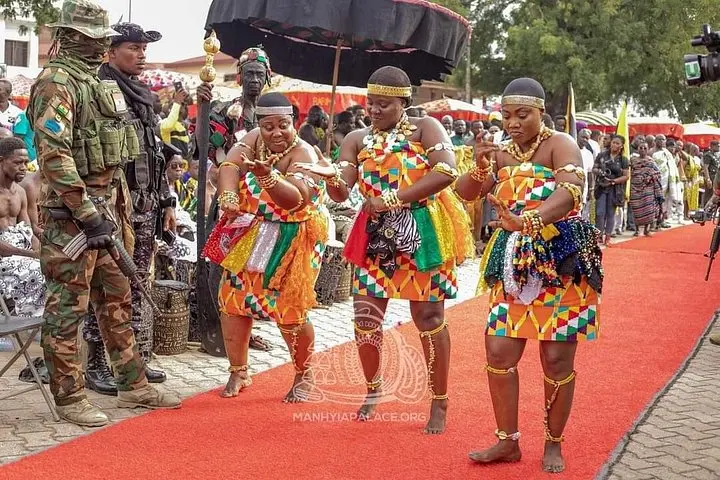
On day one the itinerary moves at a city‑pace: a walk through Kejetia, the vast open‑air market that dares you to keep up, then a measured visit to Manhyia Palace where the Asantehene’s residence and museum outline the Ashanti kingdom’s political heartbeat. The narrative here is human — brassweights, regalia and oral history — set on laterite soils and tropical hardwoods that still scent courtyards.
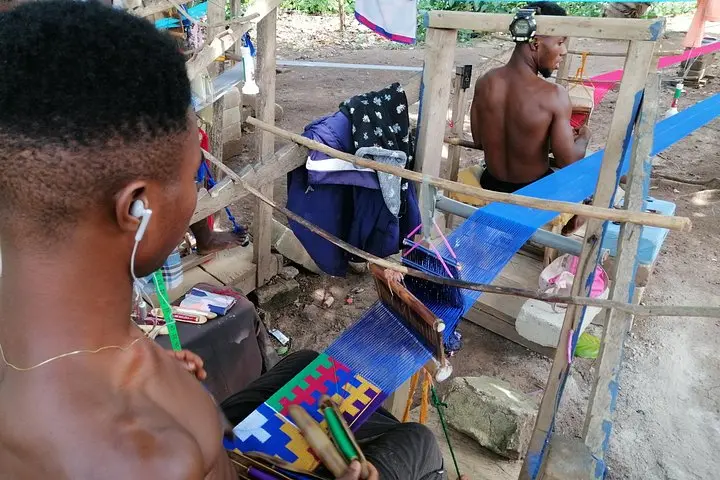
Day two shifts into craft and landscape. The Adinkra village explains the language of stamped symbols and their social meanings, while nearby Bonwire (the kente community) demonstrates shuttle looms and the patient rhythm of weaving. A short drive takes you through cocoa plots where trees’ shadows seem to lean in and point out uses beyond chocolate.
Practicalities: this private tour includes an air‑conditioned vehicle, one night in a standard en‑suite hotel and a local guide; plan for moderate walking, market crowds and short rural transfers. Carry small bills for market purchases, a sun hat and comfortable shoes for uneven surfaces. Respect dress codes at cultural sites and ask before photographing people.
Kumasi is tactile and direct — fabrics flutter like conversation and the land keeps time with its own slow pulse. With basic preparation, a 48‑hour visit delivers a compact, richly textured view of Ashanti history and craft.
Yes — the tour includes one night in a standard en‑suite, air‑conditioned hotel as part of the package.
Most admissions listed in the itinerary (such as Manhyia Palace) are included; confirm specifics with the operator before booking.
This private tour typically operates with pick‑up options; the booking asks for a pickup point—confirm if you need pickup from Accra or local transfer arrangements.
The tour is family‑friendly, but infants must sit on an adult’s lap and some walking and heat exposure may be challenging for very young children.
Ghana Must Go Tours operates guided outdoor trips and adventures with an emphasis on safety, stewardship, and memorable experiences.
The bus eases into Kumasi as sunlight slides across corrugated roofs and street vendors unwrap bolts of color — Ghana’s second city arrives like a market card shuffled across the table.
The bus eases into Kumasi as sunlight slides across corrugated roofs and street vendors unwrap bolts of color — Ghana’s second city arrives like a market card shuffled across the table.
On day one the itinerary moves at a city‑pace: a walk through Kejetia, the vast open‑air market that dares you to keep up, then a measured visit to Manhyia Palace where the Asantehene’s residence and museum outline the Ashanti kingdom’s political heartbeat. The narrative here is human — brassweights, regalia and oral history — set on laterite soils and tropical hardwoods that still scent courtyards.
Day two shifts into craft and landscape. The Adinkra village explains the language of stamped symbols and their social meanings, while nearby Bonwire (the kente community) demonstrates shuttle looms and the patient rhythm of weaving. A short drive takes you through cocoa plots where trees’ shadows seem to lean in and point out uses beyond chocolate.
Practicalities: this private tour includes an air‑conditioned vehicle, one night in a standard en‑suite hotel and a local guide; plan for moderate walking, market crowds and short rural transfers. Carry small bills for market purchases, a sun hat and comfortable shoes for uneven surfaces. Respect dress codes at cultural sites and ask before photographing people.
Kumasi is tactile and direct — fabrics flutter like conversation and the land keeps time with its own slow pulse. With basic preparation, a 48‑hour visit delivers a compact, richly textured view of Ashanti history and craft.