THE ADVENTURE COLLECTIVE® · Independent discovery and booking for outdoor travel

A private 8‑hour trip from Udaipur takes you to Kumbhalgarh Fort’s sprawling ramparts and an open‑jeep wildlife safari in the adjoining sanctuary. Expect history, steep stone steps, and chances to see chinkara, blackbuck and other dry‑country wildlife.
A private 8‑hour trip from Udaipur takes you to Kumbhalgarh Fort’s sprawling ramparts and an open‑jeep wildlife safari in the adjoining sanctuary. Expect history, steep stone steps, and chances to see chinkara, blackbuck and other dry‑country wildlife.
You pull away from Udaipur before dawn, the city shrinking behind you as the Aravalli ridgeline sharpens on the horizon. Two hours later the road rises to Kumbhalgarh: stone ramparts climbing and curving over hills like a deliberate, human-made spine. The fort’s ramparts, roughly 36 km long and often called the "Great Wall of India," loom above scrub and dry deciduous forest.
Verified experiences and guided adventures in the surrounding area.
Operated by Balaji Forex Tours And Travels · Kumbhalgarh, Rajasthan
You pull away from Udaipur before dawn, the city shrinking behind you as the Aravalli ridgeline sharpens on the horizon. Two hours later the road rises to Kumbhalgarh: stone ramparts climbing and curving over hills like a deliberate, human-made spine. The fort’s ramparts, roughly 36 km long and often called the "Great Wall of India," loom above scrub and dry deciduous forest.
Kumbhalgarh was built in the 15th century by Rana Kumbha and expanded into a fortified citadel that controlled trade routes across Rajasthan. Geologically the area sits on the older Aravalli Range—rounded hills of metamorphic rock that slow the monsoon and support thorny scrub, grasslands and pockets of deciduous forest. Culture here mixes Rajput martial history, small villages, and temples tucked inside the fort’s precincts.
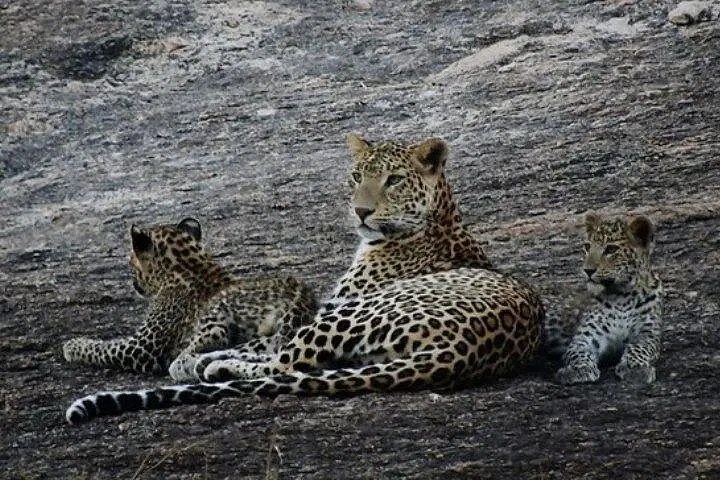
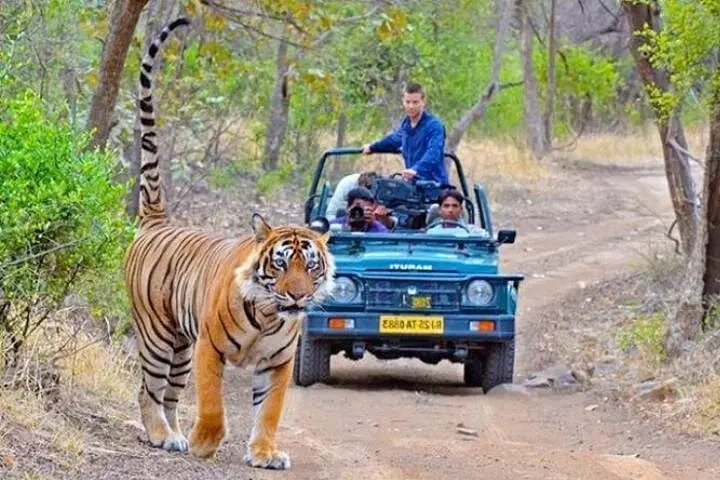
After the fort visit and a local lunch (own expense), the landscape changes: open-jeep safari tracks thread through the wildlife sanctuary where chinkara, blackbuck and nilgai graze; desert foxes and hares edge away; leopards are present but elusive. Birdlife perks up around seasonal waterholes.
Practical guide: the day trip is private, roughly 8 hours with hotel pickup and drop in Udaipur, and requires a short climb and uneven surfaces at the fort. Safari fees and fort admission are usually extra; bring cash or card as available. Wear sturdy shoes, sun protection and carry at least 1–2 liters of water. Mornings and late afternoons are best for wildlife sightings and softer light on the ramparts.
No; fort admission and wildlife sanctuary safari fees are normally paid on site and are listed as extra in the itinerary.
Expect about a two‑hour drive each way depending on traffic, making this an approximately 8‑hour day with stops.
Leopards and other mammals are present but sightings are not guaranteed; early morning or late afternoon safaris improve odds.
Yes—this private tour accommodates most ages, but fort exploration involves stairs and uneven ground; plan accordingly.
Balaji Forex Tours And Travels operates guided outdoor trips and adventures with an emphasis on safety, stewardship, and memorable experiences.
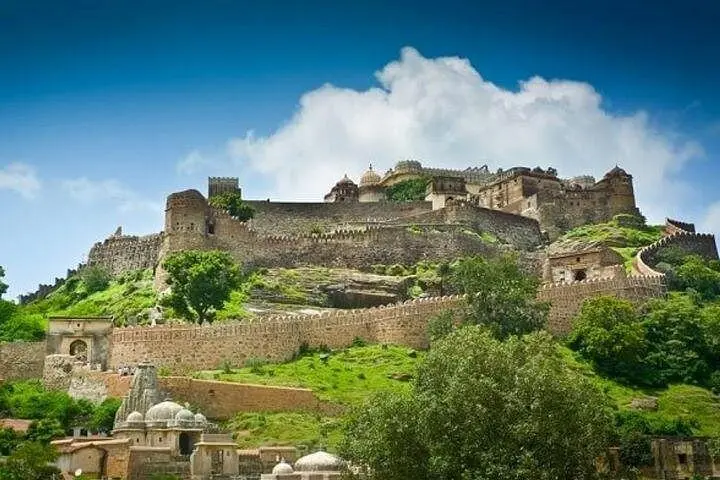

You pull away from Udaipur before dawn, the city shrinking behind you as the Aravalli ridgeline sharpens on the horizon. Two hours later the road rises to Kumbhalgarh: stone ramparts climbing and curving over hills like a deliberate, human-made spine. The fort’s ramparts, roughly 36 km long and often called the "Great Wall of India," loom above scrub and dry deciduous forest.
You pull away from Udaipur before dawn, the city shrinking behind you as the Aravalli ridgeline sharpens on the horizon. Two hours later the road rises to Kumbhalgarh: stone ramparts climbing and curving over hills like a deliberate, human-made spine. The fort’s ramparts, roughly 36 km long and often called the "Great Wall of India," loom above scrub and dry deciduous forest.
Kumbhalgarh was built in the 15th century by Rana Kumbha and expanded into a fortified citadel that controlled trade routes across Rajasthan. Geologically the area sits on the older Aravalli Range—rounded hills of metamorphic rock that slow the monsoon and support thorny scrub, grasslands and pockets of deciduous forest. Culture here mixes Rajput martial history, small villages, and temples tucked inside the fort’s precincts.
After the fort visit and a local lunch (own expense), the landscape changes: open-jeep safari tracks thread through the wildlife sanctuary where chinkara, blackbuck and nilgai graze; desert foxes and hares edge away; leopards are present but elusive. Birdlife perks up around seasonal waterholes.
Practical guide: the day trip is private, roughly 8 hours with hotel pickup and drop in Udaipur, and requires a short climb and uneven surfaces at the fort. Safari fees and fort admission are usually extra; bring cash or card as available. Wear sturdy shoes, sun protection and carry at least 1–2 liters of water. Mornings and late afternoons are best for wildlife sightings and softer light on the ramparts.