THE ADVENTURE COLLECTIVE® · Independent discovery and booking for outdoor travel

Fly from Urumqi to Kuqa for one long day of ancient grottoes and a dramatic red-rock canyon. This private tour combines Silk Road history at the Kizil Caves with a walk through the five-kilometer Tianshan Grand Canyon—perfect for travelers who want maximum sites in a single day.
Fly from Urumqi to Kuqa for one long day of ancient grottoes and a dramatic red-rock canyon. This private tour combines Silk Road history at the Kizil Caves with a walk through the five-kilometer Tianshan Grand Canyon—perfect for travelers who want maximum sites in a single day.
You leave Urumqi before dawn, the city lights shrinking under the plane as the steppe widens. An hour later the landscape flips to sandstone ridges and a low desert plain; Kuqa’s ochre cliffs rise like pages of an ancient book. At Kizil you step into cool, painted caverns—Buddhist murals faded but still vivid in composition—while the canyon later opens with red walls that dare you to walk their floor.
Verified experiences and guided adventures in the surrounding area.
Operated by SilkRoadTrips · Kuqa, Xinjiang
You leave Urumqi before dawn, the city lights shrinking under the plane as the steppe widens. An hour later the landscape flips to sandstone ridges and a low desert plain; Kuqa’s ochre cliffs rise like pages of an ancient book. At Kizil you step into cool, painted caverns—Buddhist murals faded but still vivid in composition—while the canyon later opens with red walls that dare you to walk their floor.
Kizil (Qiuci) was a major Silk Road hub; its grottoes date from the 3rd–8th centuries and reflect Indian and Central Asian artistic influences. The Tianshan Grand Canyon near Kuqa is a 5-km incision through red sandstone carved by episodic floods and wind, revealing layered strata and occasional fossil-bearing beds. Local culture here blends Uyghur traditions with centuries of caravan history—expect simple roadside tea stalls and quiet village life.
Practically: this is a long, private day built around two short flights, included entrance fees, lunch, bottled water, and pickup from Urumqi hotels. Trails at Kizil involve uneven stone floors and low cave openings; the canyon walk is mostly level but can be dusty and exposed. English guides may not always be available; bring a translation app and your passport for the domestic flight. Start hydrated, wear sturdy shoes and sun protection, and budget energy for a 12–15 hour day of travel and walking. The reward is intimate access to Silk Road archaeology and a raw, red-walled canyon that feels both remote and immediate.
The full itinerary runs about 12–15 hours from hotel pickup to return, including two one-hour flights and on-site visits.
Yes—entrance to Kizil Grottoes and Tianshan Canyon plus lunch and bottled water are included in the tour price.
The tour is listed as physically easy, but caves have uneven floors and low openings; the canyon walk is relatively level—assistance may be limited.
Organizers attempt to provide English guides, but if none are available a Chinese guide with phone-based translation may be used—bring a translation app as backup.
SilkRoadTrips operates guided outdoor trips and adventures with an emphasis on safety, stewardship, and memorable experiences.
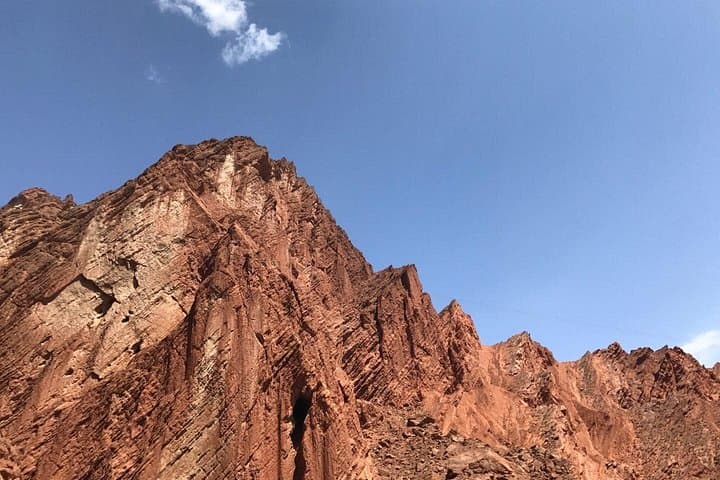


You leave Urumqi before dawn, the city lights shrinking under the plane as the steppe widens. An hour later the landscape flips to sandstone ridges and a low desert plain; Kuqa’s ochre cliffs rise like pages of an ancient book. At Kizil you step into cool, painted caverns—Buddhist murals faded but still vivid in composition—while the canyon later opens with red walls that dare you to walk their floor.
You leave Urumqi before dawn, the city lights shrinking under the plane as the steppe widens. An hour later the landscape flips to sandstone ridges and a low desert plain; Kuqa’s ochre cliffs rise like pages of an ancient book. At Kizil you step into cool, painted caverns—Buddhist murals faded but still vivid in composition—while the canyon later opens with red walls that dare you to walk their floor.
Kizil (Qiuci) was a major Silk Road hub; its grottoes date from the 3rd–8th centuries and reflect Indian and Central Asian artistic influences. The Tianshan Grand Canyon near Kuqa is a 5-km incision through red sandstone carved by episodic floods and wind, revealing layered strata and occasional fossil-bearing beds. Local culture here blends Uyghur traditions with centuries of caravan history—expect simple roadside tea stalls and quiet village life.
Practically: this is a long, private day built around two short flights, included entrance fees, lunch, bottled water, and pickup from Urumqi hotels. Trails at Kizil involve uneven stone floors and low cave openings; the canyon walk is mostly level but can be dusty and exposed. English guides may not always be available; bring a translation app and your passport for the domestic flight. Start hydrated, wear sturdy shoes and sun protection, and budget energy for a 12–15 hour day of travel and walking. The reward is intimate access to Silk Road archaeology and a raw, red-walled canyon that feels both remote and immediate.