THE ADVENTURE COLLECTIVE® · Independent discovery and booking for outdoor travel

Fly from Urumqi to Kuqa for a compact, private 2-day tour of the Kizil Grottoes, Tianshan Grand Canyon, Subash ruins and Kuqa’s mosque and bazaar. This itinerary focuses on Silk Road history, easy walking, and vivid red-rock scenery.
Fly from Urumqi to Kuqa for a compact, private 2-day tour of the Kizil Grottoes, Tianshan Grand Canyon, Subash ruins and Kuqa’s mosque and bazaar. This itinerary focuses on Silk Road history, easy walking, and vivid red-rock scenery.
Dust lifts from the tarmac as the short flight drops you into Kuqa’s flat plain; wind combs the scrub and the distant Tianshan ridges loom like a slow-moving wall. A private guide ushers the group toward the ochre mouths of the Kizil Grottoes, where painted Buddhas peer from cool caverns and red canyon walls flare in the low sun.
Verified experiences and guided adventures in the surrounding area.
Operated by SilkRoadTrips · Kuqa, Xinjiang
Dust lifts from the tarmac as the short flight drops you into Kuqa’s flat plain; wind combs the scrub and the distant Tianshan ridges loom like a slow-moving wall. A private guide ushers the group toward the ochre mouths of the Kizil Grottoes, where painted Buddhas peer from cool caverns and red canyon walls flare in the low sun.
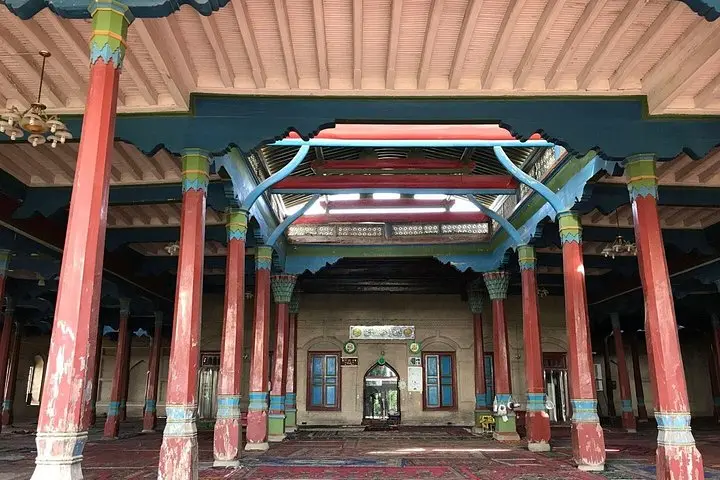
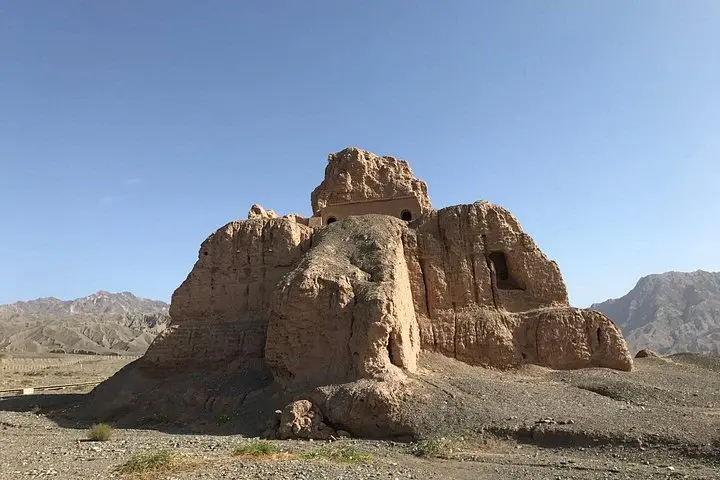
The Kizil Grottoes date back to roughly the 3rd–8th centuries and are among China’s earliest Buddhist cave complexes, carrying murals and iconography that trace Silk Road exchange. Nearby, Subash’s Tang-era temple ruins and an ancient Han beacon tower reveal layers of strategic and religious history, while Kuqa’s mosque and bazaar highlight the Uyghur cultural presence that has shaped the town for centuries.
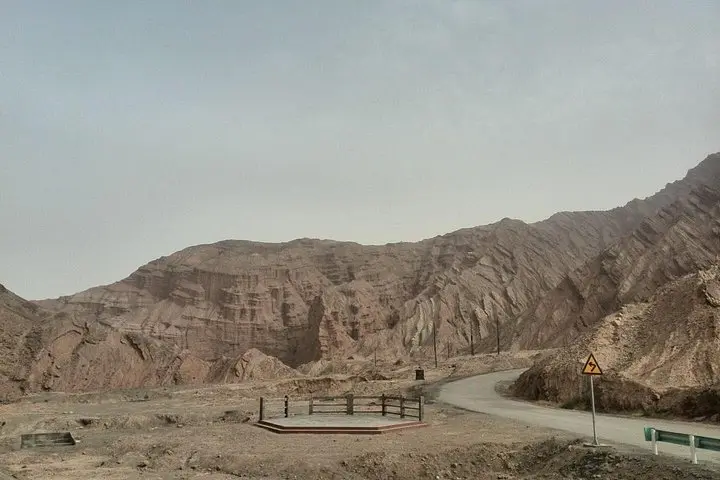
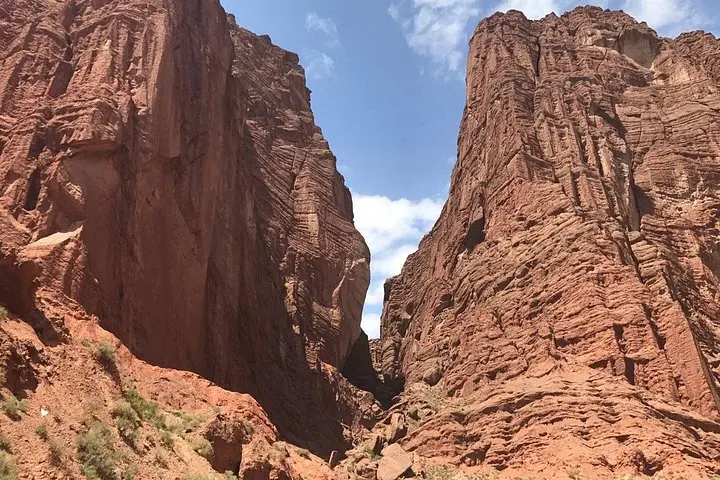
Geologically the region is desert fringe and folded sedimentary rock—red sandstone in the 5-km Tianshan Grand Canyon yields dramatic cliffs and narrow viewpoints that reward short walks. Expect mostly gentle site-to-site walking offset by sun exposure and dust.
Practically: this is a two-day packaged loop by scheduled flights, hotel, meals and entrance fees included. English guides are arranged when possible; bring local cash, a scarf or modest clothing for mosque visits, sturdy walking shoes, and layered sun protection. Timing matters—mornings or late afternoons make murals and canyon colors most striking, and slower pacing helps protect fragile sites. The trip pairs cultural immersion with accessible terrain: it’s ideal for travelers who want concentrated Silk Road history without long overland drives.
Yes—entrance fees to included sites such as Kizil Grottoes and Subash ruin are listed in the tour inclusions.
English guides are arranged when possible; if none are available a Chinese-speaking guide and office-provided translation via phone may be used.
Mostly short walks at each site—plan on 30–60 minute strolls at grottoes and ruins with some uneven ground and steps.
Meals are included and the operator can usually accommodate common dietary restrictions if requested at booking.
SilkRoadTrips operates guided outdoor trips and adventures with an emphasis on safety, stewardship, and memorable experiences.
Dust lifts from the tarmac as the short flight drops you into Kuqa’s flat plain; wind combs the scrub and the distant Tianshan ridges loom like a slow-moving wall. A private guide ushers the group toward the ochre mouths of the Kizil Grottoes, where painted Buddhas peer from cool caverns and red canyon walls flare in the low sun.
Dust lifts from the tarmac as the short flight drops you into Kuqa’s flat plain; wind combs the scrub and the distant Tianshan ridges loom like a slow-moving wall. A private guide ushers the group toward the ochre mouths of the Kizil Grottoes, where painted Buddhas peer from cool caverns and red canyon walls flare in the low sun.
The Kizil Grottoes date back to roughly the 3rd–8th centuries and are among China’s earliest Buddhist cave complexes, carrying murals and iconography that trace Silk Road exchange. Nearby, Subash’s Tang-era temple ruins and an ancient Han beacon tower reveal layers of strategic and religious history, while Kuqa’s mosque and bazaar highlight the Uyghur cultural presence that has shaped the town for centuries.
Geologically the region is desert fringe and folded sedimentary rock—red sandstone in the 5-km Tianshan Grand Canyon yields dramatic cliffs and narrow viewpoints that reward short walks. Expect mostly gentle site-to-site walking offset by sun exposure and dust.
Practically: this is a two-day packaged loop by scheduled flights, hotel, meals and entrance fees included. English guides are arranged when possible; bring local cash, a scarf or modest clothing for mosque visits, sturdy walking shoes, and layered sun protection. Timing matters—mornings or late afternoons make murals and canyon colors most striking, and slower pacing helps protect fragile sites. The trip pairs cultural immersion with accessible terrain: it’s ideal for travelers who want concentrated Silk Road history without long overland drives.