THE ADVENTURE COLLECTIVE® · Independent discovery and booking for outdoor travel

A full-day guided hike from Kurama to Kibune blends forested ridge walking with visits to Kurama-dera and Kifune Shrine. Expect cedar-shaded paths, mountain shrine architecture, and a hands-on hydromancy ritual in a village by a lively stream.
A full-day guided hike from Kurama to Kibune blends forested ridge walking with visits to Kurama-dera and Kifune Shrine. Expect cedar-shaded paths, mountain shrine architecture, and a hands-on hydromancy ritual in a village by a lively stream.
You step off the morning train at Kurama and the city’s clamor falls away — cedar trunks crowd the trail and a cool, mossy air pushes at your face. The route climbs past Kurama-dera’s wooden halls, where incense smoke threads through carved beams, then crests a ridge that opens to distant Kyoto, small and ordered below.
Verified experiences and guided adventures in the surrounding area.
Operated by MY Travel Consulting · Kyoto, Kyoto Prefecture
You step off the morning train at Kurama and the city’s clamor falls away — cedar trunks crowd the trail and a cool, mossy air pushes at your face. The route climbs past Kurama-dera’s wooden halls, where incense smoke threads through carved beams, then crests a ridge that opens to distant Kyoto, small and ordered below.
Kurama and Kibune have been mountain pilgrimage nodes since the Heian era; Kurama-dera traces its founding to the eighth century and the area is steeped in tengu legends and mountain ascetic practices. Geologically, the trail rides the foothills of the Kyoto Basin on volcanic and metamorphic rock, with narrow ridgelines, stream-cut gullies, and dense cedar stands shaped by centuries of wet winters.
Kifune Shrine in Kibune is dedicated to the water kami — offerings and the hydromancy ritual on this tour tie spiritual practice to the creek that runs through the village. Along the way, small roadside shrines and carved markers speak to local devotional culture; seasonal kawadoko platforms line the river in summer for riverside meals.
Practical guidance: the hiking segment is about 4 km and uneven underfoot; allow 1.5–2 hours for the ridge walk and extra time for temple visits. Wear grippy hiking shoes, carry rain protection year-round, and bring cash for small admission fees and riverside snacks. Public transit links are part of the day; a licensed English guide handles logistics and local history, leaving you to focus on the trail, the shrines, and the slow, steady exchange between nature and ritual.
The ridge trail is roughly 4 km and typically takes 1.5–2 hours depending on pace and breaks.
It’s family-friendly for those with moderate mobility, but not recommended for people with serious spinal, heart, or pregnancy-related restrictions due to uneven terrain and uphill sections.
The tour includes a National Licensed English Speaking Guide; other languages can sometimes be arranged on request—confirm when booking.
The itinerary uses local trains and a bus transfer from Kibune-guchi via Kokusaikaikan to Kyoto Station; public transport fees are included in the tour details.
MY Travel Consulting operates guided outdoor trips and adventures with an emphasis on safety, stewardship, and memorable experiences.
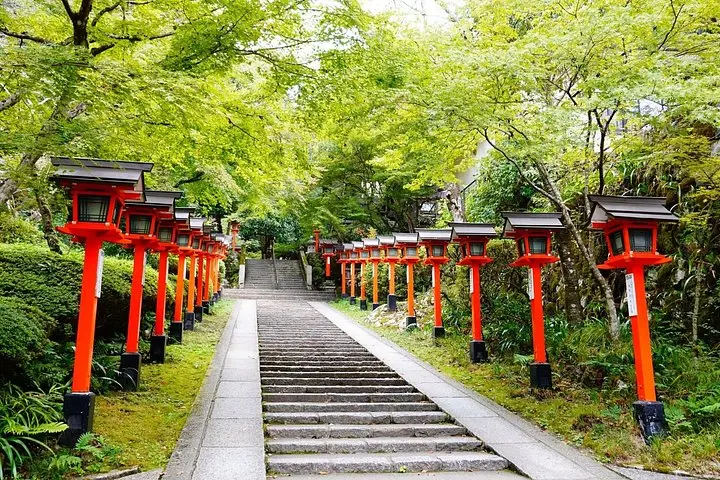
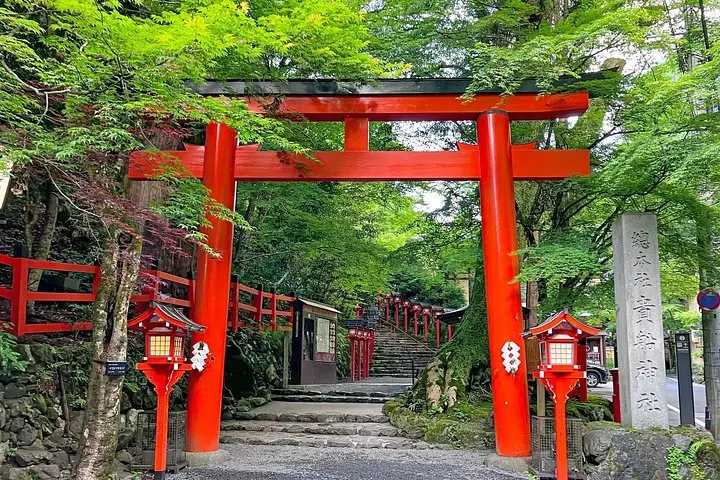
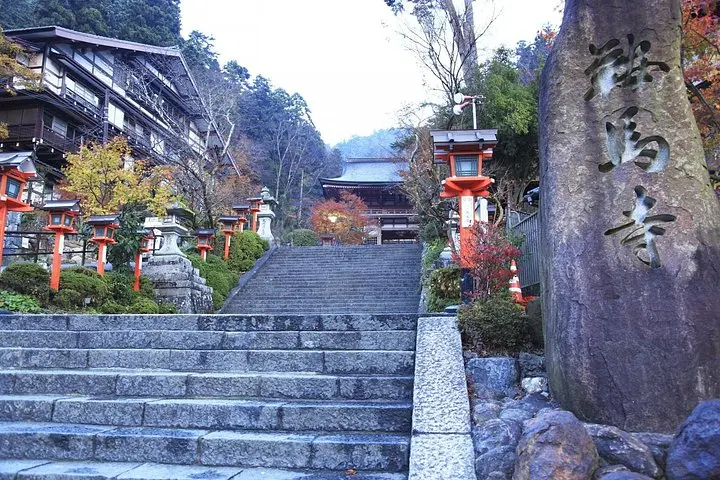
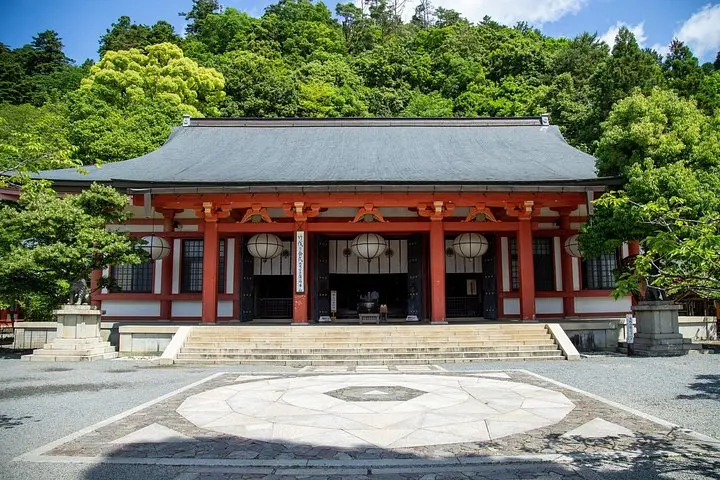
You step off the morning train at Kurama and the city’s clamor falls away — cedar trunks crowd the trail and a cool, mossy air pushes at your face. The route climbs past Kurama-dera’s wooden halls, where incense smoke threads through carved beams, then crests a ridge that opens to distant Kyoto, small and ordered below.
You step off the morning train at Kurama and the city’s clamor falls away — cedar trunks crowd the trail and a cool, mossy air pushes at your face. The route climbs past Kurama-dera’s wooden halls, where incense smoke threads through carved beams, then crests a ridge that opens to distant Kyoto, small and ordered below.
Kurama and Kibune have been mountain pilgrimage nodes since the Heian era; Kurama-dera traces its founding to the eighth century and the area is steeped in tengu legends and mountain ascetic practices. Geologically, the trail rides the foothills of the Kyoto Basin on volcanic and metamorphic rock, with narrow ridgelines, stream-cut gullies, and dense cedar stands shaped by centuries of wet winters.
Kifune Shrine in Kibune is dedicated to the water kami — offerings and the hydromancy ritual on this tour tie spiritual practice to the creek that runs through the village. Along the way, small roadside shrines and carved markers speak to local devotional culture; seasonal kawadoko platforms line the river in summer for riverside meals.
Practical guidance: the hiking segment is about 4 km and uneven underfoot; allow 1.5–2 hours for the ridge walk and extra time for temple visits. Wear grippy hiking shoes, carry rain protection year-round, and bring cash for small admission fees and riverside snacks. Public transit links are part of the day; a licensed English guide handles logistics and local history, leaving you to focus on the trail, the shrines, and the slow, steady exchange between nature and ritual.