THE ADVENTURE COLLECTIVE® · Independent discovery and booking for outdoor travel

Short on time but eager for wildlife? Kuranda Koala Gardens offers a compact, one-hour chance to see koalas, bilbies and nocturnal marsupials on the edge of the Wet Tropics. Time your visit for the 2:30pm marsupial presentation for the best viewing.
Short on time but eager for wildlife? Kuranda Koala Gardens offers a compact, one-hour chance to see koalas, bilbies and nocturnal marsupials on the edge of the Wet Tropics. Time your visit for the 2:30pm marsupial presentation for the best viewing.
A walk through Kuranda Koala Gardens begins under a humid canopy where rainforest air presses gentle and warm against your skin and birdsans—curious and loud—thread the treetops. Paths are short and shaded; eucalyptus leaves rustle and koalas close their eyes in forked branches as visitors move quietly along.
Verified experiences and guided adventures in the surrounding area.
Operated by Kuranda Koala Gardens · Kuranda, Queensland
A walk through Kuranda Koala Gardens begins under a humid canopy where rainforest air presses gentle and warm against your skin and birdsans—curious and loud—thread the treetops. Paths are short and shaded; eucalyptus leaves rustle and koalas close their eyes in forked branches as visitors move quietly along.
Set on the edge of the Wet Tropics World Heritage rainforest and within Djabugay traditional country, the gardens pair small-scale exhibits with a conservation mission. The North Queensland Wildlife Trust, founded in 2004 by the Freeman family, runs rehabilitation programs here; historical displays trace early pioneer life in the region while a nocturnal house showcases bilbies, gliders and other night-active species. Geologically the site sits on coastal tropical soils shaped by ancient weathering and nearby volcanic flows that feed the rainforest’s richness.
Practicalities are straightforward: admission is a one-hour general entry with a signature 2:30pm marsupial presentation. Paths are largely flat and wheelchair- and stroller-accessible, making the experience suitable for most visitors. Wildlife encounters are observational—follow staff directions, keep a respectful distance and turn off flash for photos. In summer the heat and humidity rise quickly; plan visits in the morning or timed to the presentation to avoid mid-afternoon storms. Use public transport to Kuranda (Scenic Railway or Skyrail) to add scenic travel to the wildlife stop.
The visit is compact but dense with wildlife learning: expect close viewing opportunities, conservation messaging, and a neat snapshot of Queensland’s unique marsupials that suits families and curious travelers alike.
The general entry is designed for about 60 minutes; many guests combine it with other Kuranda attractions for a half- or full-day visit.
Yes—paths and major exhibits are wheelchair- and stroller-accessible; staff can advise on the easiest routes through the gardens.
Policies vary and are regulated; follow onsite signage and staff guidance—photography is generally allowed but flash is prohibited and handling is limited to authorised programs.
No—feeding wildlife is not permitted. Staff manage diets and any close encounters to protect animal health.
Kuranda Koala Gardens operates guided outdoor trips and adventures with an emphasis on safety, stewardship, and memorable experiences.
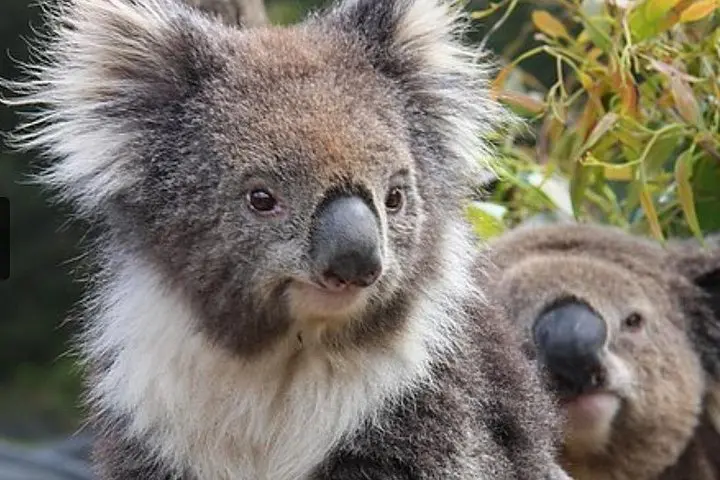
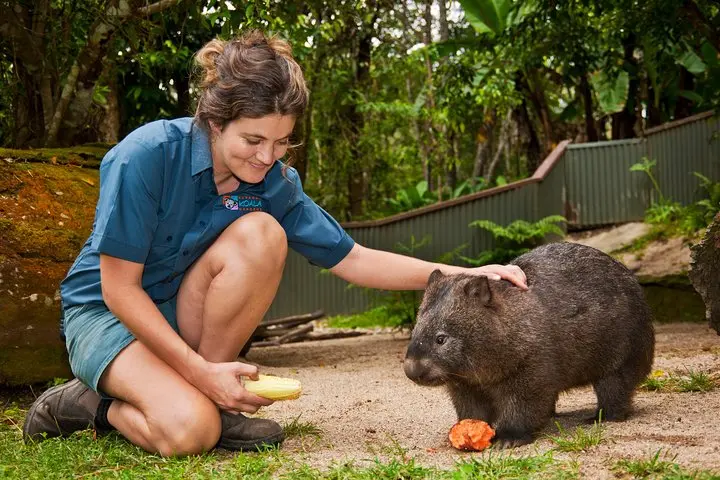
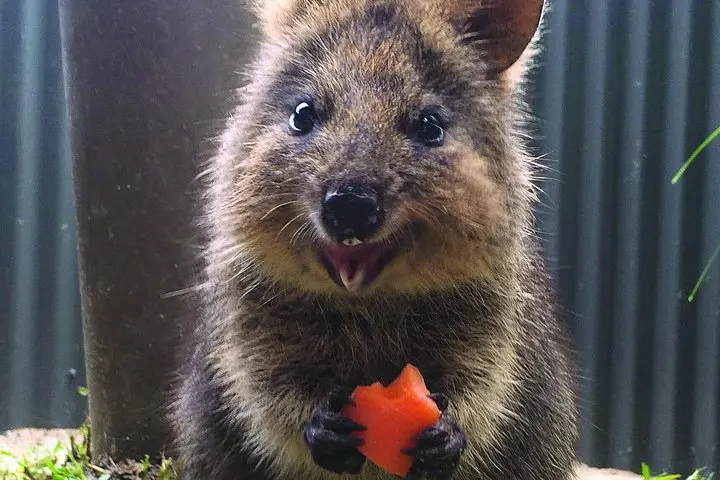
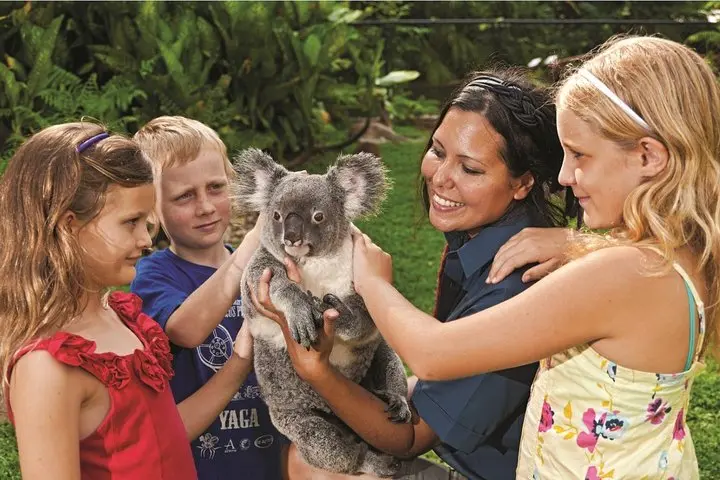
A walk through Kuranda Koala Gardens begins under a humid canopy where rainforest air presses gentle and warm against your skin and birdsans—curious and loud—thread the treetops. Paths are short and shaded; eucalyptus leaves rustle and koalas close their eyes in forked branches as visitors move quietly along.
A walk through Kuranda Koala Gardens begins under a humid canopy where rainforest air presses gentle and warm against your skin and birdsans—curious and loud—thread the treetops. Paths are short and shaded; eucalyptus leaves rustle and koalas close their eyes in forked branches as visitors move quietly along.
Set on the edge of the Wet Tropics World Heritage rainforest and within Djabugay traditional country, the gardens pair small-scale exhibits with a conservation mission. The North Queensland Wildlife Trust, founded in 2004 by the Freeman family, runs rehabilitation programs here; historical displays trace early pioneer life in the region while a nocturnal house showcases bilbies, gliders and other night-active species. Geologically the site sits on coastal tropical soils shaped by ancient weathering and nearby volcanic flows that feed the rainforest’s richness.
Practicalities are straightforward: admission is a one-hour general entry with a signature 2:30pm marsupial presentation. Paths are largely flat and wheelchair- and stroller-accessible, making the experience suitable for most visitors. Wildlife encounters are observational—follow staff directions, keep a respectful distance and turn off flash for photos. In summer the heat and humidity rise quickly; plan visits in the morning or timed to the presentation to avoid mid-afternoon storms. Use public transport to Kuranda (Scenic Railway or Skyrail) to add scenic travel to the wildlife stop.
The visit is compact but dense with wildlife learning: expect close viewing opportunities, conservation messaging, and a neat snapshot of Queensland’s unique marsupials that suits families and curious travelers alike.