THE ADVENTURE COLLECTIVE® · Independent discovery and booking for outdoor travel

Walk the 580‑meter heart of Osaka’s Kitchen on a 3.5‑hour guided food tour through Kuromon Ichiba, sampling five to six market stations while learning local foodways and visiting a neighborhood of kitchen-tool shops. Practical tips on timing, etiquette, and what to taste help you make the most of a bustling half‑day experience.
Walk the 580‑meter heart of Osaka’s Kitchen on a 3.5‑hour guided food tour through Kuromon Ichiba, sampling five to six market stations while learning local foodways and visiting a neighborhood of kitchen-tool shops. Practical tips on timing, etiquette, and what to taste help you make the most of a bustling half‑day experience.
Step into a covered artery of Osaka where vendors call across narrow aisles and the scent of grilling seafood presses against the air. Kuromon Ichiba stretches roughly 580 meters through Chuo Ward; on a busy day the market can feel like a living room for the city—chefs and home cooks moving shoulder to shoulder while stalls fry, steam, and flame small plates right in front of you.
Verified experiences and guided adventures in the surrounding area.
Operated by The Washoku Club Culture and Food Tours · Osaka, Osaka Prefecture
Step into a covered artery of Osaka where vendors call across narrow aisles and the scent of grilling seafood presses against the air. Kuromon Ichiba stretches roughly 580 meters through Chuo Ward; on a busy day the market can feel like a living room for the city—chefs and home cooks moving shoulder to shoulder while stalls fry, steam, and flame small plates right in front of you.
The market earned the nickname “Osaka’s Kitchen” because generations of restaurants and families have sourced produce and fish here. Its layout follows Osaka’s urban grid rather than a geological story, but the seafood on display tells a coastal tale—fresh catches from Osaka Bay and nearby ports, seasonal vegetables from Kansai farms and a long-running culture of street-level food service.
Cultural notes: vendors expect efficient politeness—don’t linger where they work, and accept samples with a brief thanks. Doguyasuji, a 150‑meter side street of specialized kitchen tools, sits a short walk away and often hosts hands-on demonstrations and small festivals in autumn.
Practical guidance: this is a light 3.5-hour walking tour with multiple tasting stations (typically 5–6), soft drinks and water included. Weekday mornings are the quietest; weekends and evenings draw large tourist crowds (historically ~23,000 visitors/day in 2015). Carry small bills for incidental purchases, be prepared for tight spaces and occasional lines, and notify the operator of dietary restrictions in advance. Comfortable shoes, hydration, and a readiness to move aside for stall operations will make the visit smooth—and delicious.
The guided experience runs about 210 minutes (roughly 3.5 hours) and includes visits to multiple food stations and a short walk to nearby shopping streets.
Yes—guides typically arrange 5–6 food stations according to taste preferences; soft drinks and water are provided as noted in the tour inclusions.
The market is on flat paved ground but can become crowded; accessibility may be challenging during peak times—contact the operator beforehand to confirm accommodations.
Notify the tour operator when booking; guides can often adjust stations but some items (seafood, soy-based sauces) are common and may be difficult to avoid entirely.
The Washoku Club Culture and Food Tours operates guided outdoor trips and adventures with an emphasis on safety, stewardship, and memorable experiences.
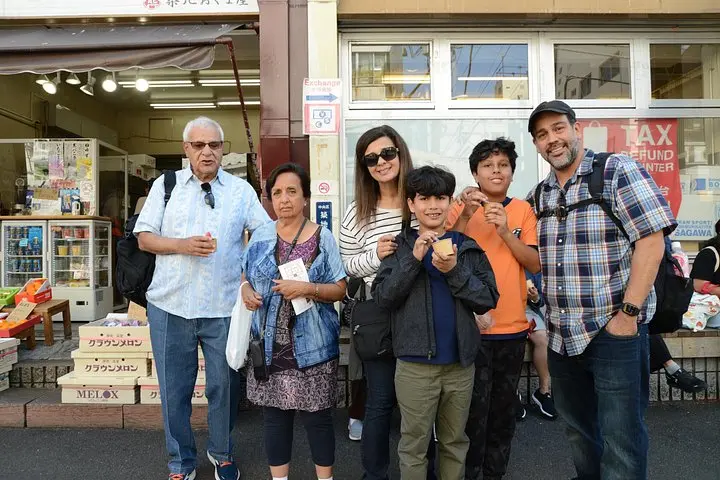
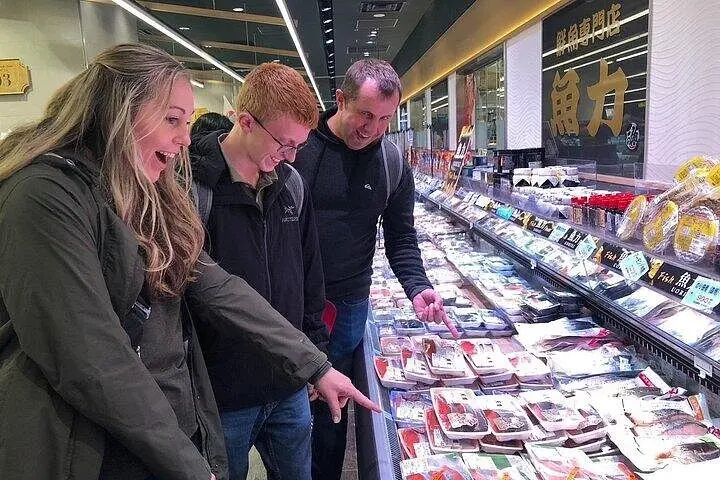
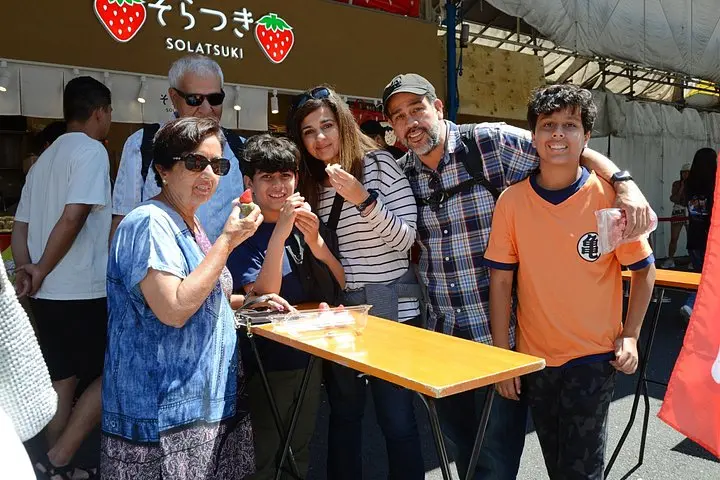
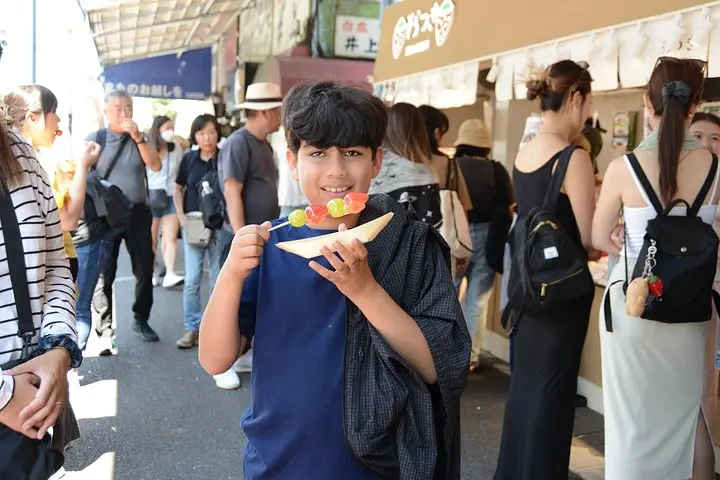
Step into a covered artery of Osaka where vendors call across narrow aisles and the scent of grilling seafood presses against the air. Kuromon Ichiba stretches roughly 580 meters through Chuo Ward; on a busy day the market can feel like a living room for the city—chefs and home cooks moving shoulder to shoulder while stalls fry, steam, and flame small plates right in front of you.
Step into a covered artery of Osaka where vendors call across narrow aisles and the scent of grilling seafood presses against the air. Kuromon Ichiba stretches roughly 580 meters through Chuo Ward; on a busy day the market can feel like a living room for the city—chefs and home cooks moving shoulder to shoulder while stalls fry, steam, and flame small plates right in front of you.
The market earned the nickname “Osaka’s Kitchen” because generations of restaurants and families have sourced produce and fish here. Its layout follows Osaka’s urban grid rather than a geological story, but the seafood on display tells a coastal tale—fresh catches from Osaka Bay and nearby ports, seasonal vegetables from Kansai farms and a long-running culture of street-level food service.
Cultural notes: vendors expect efficient politeness—don’t linger where they work, and accept samples with a brief thanks. Doguyasuji, a 150‑meter side street of specialized kitchen tools, sits a short walk away and often hosts hands-on demonstrations and small festivals in autumn.
Practical guidance: this is a light 3.5-hour walking tour with multiple tasting stations (typically 5–6), soft drinks and water included. Weekday mornings are the quietest; weekends and evenings draw large tourist crowds (historically ~23,000 visitors/day in 2015). Carry small bills for incidental purchases, be prepared for tight spaces and occasional lines, and notify the operator of dietary restrictions in advance. Comfortable shoes, hydration, and a readiness to move aside for stall operations will make the visit smooth—and delicious.