THE ADVENTURE COLLECTIVE® · Independent discovery and booking for outdoor travel

Cross Hokkaido by train and small-group activities, from Kushiro’s peat wetlands to Abashiri’s icebreaker cruises. This winter journey mixes guided hikes, coastal cycling and unique cold‑climate wildlife viewing—planned for travellers with moderate fitness and a taste for raw, seasonal landscapes.
Cross Hokkaido by train and small-group activities, from Kushiro’s peat wetlands to Abashiri’s icebreaker cruises. This winter journey mixes guided hikes, coastal cycling and unique cold‑climate wildlife viewing—planned for travellers with moderate fitness and a taste for raw, seasonal landscapes.
A cold sunrise paints the marshes silver as the train pulls away from Kushiro Station. Through steamed windows you track the slow, deliberate geometry of wetlands, seeps and birch groves that push at the edges of tracks; the Sea of Okhotsk waits ahead, its winter skin broken by drifting floes that grind and sing under an icebreaker’s hull.
Verified experiences and guided adventures in the surrounding area.
Operated by Go Hokkaido · Kushiro, Hokkaido
A cold sunrise paints the marshes silver as the train pulls away from Kushiro Station. Through steamed windows you track the slow, deliberate geometry of wetlands, seeps and birch groves that push at the edges of tracks; the Sea of Okhotsk waits ahead, its winter skin broken by drifting floes that grind and sing under an icebreaker’s hull.
This multi-day route threads northern and eastern Hokkaido—Kushiro’s peat-rich wetlands formed over millennia of slow plant decay, volcanic highlands around Mount Iō that belch faint sulfur, and the coastal plains where fishing towns grew on seasonal ice. The area’s Ainu heritage and post-Meiji fishing settlements are visible in place names, local menus and small museums that preserve an island culture shaped by sea, snow and steam.
Expect a mixed program: limited-express train legs, short guided hikes in Akan–Mashu National Park, a two-hour coastal cycle near Abashiri, and an icebreaker cruise from Abashiri Port to the drift ice fields. Landscapes alternate—acid bogs and smoky fumaroles, then the flat, wind-raked coast where floes slam the shoreline. Guides share natural history and safety details; staff arrange accommodation and most gear rentals.
Practical notes: layers and waterproof footwear matter more than fancy kit; daylight is short in winter so plan photography and cycling for midday; mobility between trains and short walks requires steady balance on icy platforms. Bring cash for rural eateries, a charged camera battery, and expect flexible scheduling—ice and weather move the itinerary as much as the train timetable.
No—drift ice is a seasonal, weather-dependent phenomenon; cruises maximize chances but sightings cannot be promised.
Moderate fitness is required: expect 1–2 hour cycling segments and short winter hikes on uneven ground; basic cycling competence and stable balance on ice are recommended.
An interpreter guide is included for parts of the trip; staff can assist with logistics, but local signage may be Japanese-only in rural stops.
Yes—arrangements are made through hotels and train staff for luggage transfer between overnight stops; bring a small daypack for activities.
Go Hokkaido operates guided outdoor trips and adventures with an emphasis on safety, stewardship, and memorable experiences.
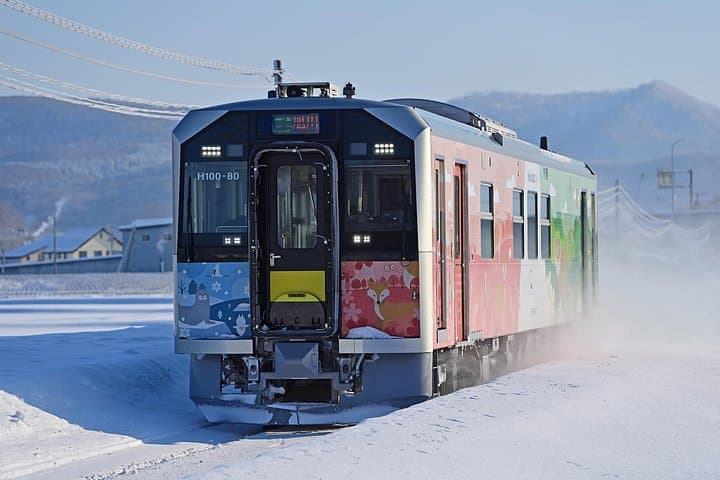



A cold sunrise paints the marshes silver as the train pulls away from Kushiro Station. Through steamed windows you track the slow, deliberate geometry of wetlands, seeps and birch groves that push at the edges of tracks; the Sea of Okhotsk waits ahead, its winter skin broken by drifting floes that grind and sing under an icebreaker’s hull.
A cold sunrise paints the marshes silver as the train pulls away from Kushiro Station. Through steamed windows you track the slow, deliberate geometry of wetlands, seeps and birch groves that push at the edges of tracks; the Sea of Okhotsk waits ahead, its winter skin broken by drifting floes that grind and sing under an icebreaker’s hull.
This multi-day route threads northern and eastern Hokkaido—Kushiro’s peat-rich wetlands formed over millennia of slow plant decay, volcanic highlands around Mount Iō that belch faint sulfur, and the coastal plains where fishing towns grew on seasonal ice. The area’s Ainu heritage and post-Meiji fishing settlements are visible in place names, local menus and small museums that preserve an island culture shaped by sea, snow and steam.
Expect a mixed program: limited-express train legs, short guided hikes in Akan–Mashu National Park, a two-hour coastal cycle near Abashiri, and an icebreaker cruise from Abashiri Port to the drift ice fields. Landscapes alternate—acid bogs and smoky fumaroles, then the flat, wind-raked coast where floes slam the shoreline. Guides share natural history and safety details; staff arrange accommodation and most gear rentals.
Practical notes: layers and waterproof footwear matter more than fancy kit; daylight is short in winter so plan photography and cycling for midday; mobility between trains and short walks requires steady balance on icy platforms. Bring cash for rural eateries, a charged camera battery, and expect flexible scheduling—ice and weather move the itinerary as much as the train timetable.