THE ADVENTURE COLLECTIVE® · Independent discovery and booking for outdoor travel

Explore Kutaisi on foot: cross the White Bridge, browse the Green Bazaar and stand at the Colchis Fountain while a local guide untangles centuries of history. This compact 2–3 hour stroll suits curious travelers who want context and local flavor.
Explore Kutaisi on foot: cross the White Bridge, browse the Green Bazaar and stand at the Colchis Fountain while a local guide untangles centuries of history. This compact 2–3 hour stroll suits curious travelers who want context and local flavor.
A short walk in Kutaisi moves with a city's rhythm: the Rioni River nudges at stone embankments, poets' verses glint on the White Bridge, and the Colchis Fountain throws spray at noonday light. Visitors set out from the central square and pace through layered neighborhoods — from the opera house façade to the concentrated hum of the Green Bazaar.
Verified experiences and guided adventures in the surrounding area.
Operated by TTG Travel To Geo · Kutaisi, Imereti
A short walk in Kutaisi moves with a city's rhythm: the Rioni River nudges at stone embankments, poets' verses glint on the White Bridge, and the Colchis Fountain throws spray at noonday light. Visitors set out from the central square and pace through layered neighborhoods — from the opera house façade to the concentrated hum of the Green Bazaar.
The town’s story is visible in plain sight. Kutaisi was an ancient capital of the Colchian kingdom, its streets sitting at the western edge of the Lesser Caucasus foothills where limestone terraces meet fertile river plains. Architecture here traces Tsarist, Soviet and modern Georgian chapters: small statues recall prehistory, the Meskhishvili Theatre marks 20th-century civic life, and the Catholic and Jewish districts speak to a once-diverse urban fabric.
Expect short blocks of varied pavement, modest elevation change and frequent stops for photos and local snacks. Guides typically point out engraved bridge poems, the Golden Marquee palace exterior and market stalls selling preserves, cheese and churchkhela. The walk moves at an easy pace — good for curious travelers who prefer context over speed.
Practicalities: allow 2–3 hours, carry water and a light jacket for sudden wind off the river, and wear supportive shoes for cobblestones. Mornings and late afternoons deliver softer light for photos and smaller crowds. English- or Russian-speaking guides are common; public transport is nearby if you want to extend the day to nearby monasteries or the Sataplia reserve.
The tour runs about 2–3 hours, covering central Kutaisi landmarks at a relaxed pace.
Yes; the tour is labeled easy with only short distances and minimal elevation, though cobbles may be challenging for some mobility issues.
Guides commonly speak English or Russian; confirm language at booking if you need another option.
Food and market purchases are not included — vendors accept cash and some card payments, but small change in lari is recommended.
TTG Travel To Geo operates guided outdoor trips and adventures with an emphasis on safety, stewardship, and memorable experiences.
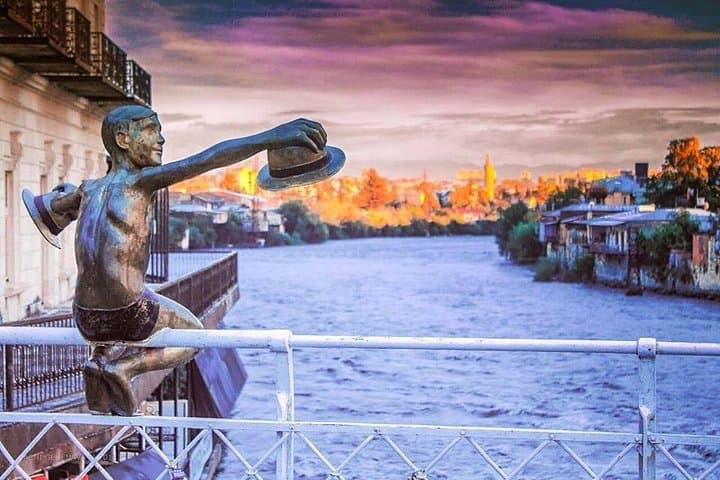
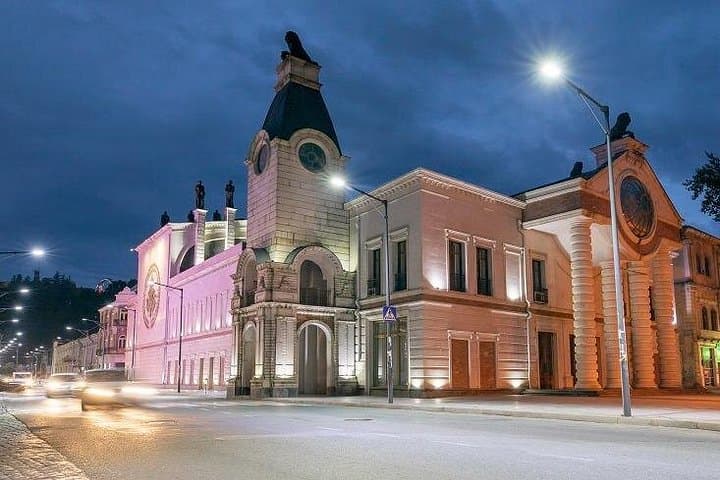
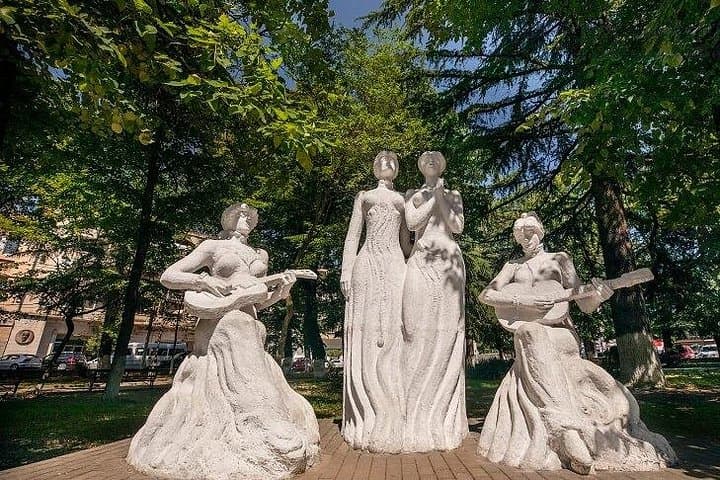
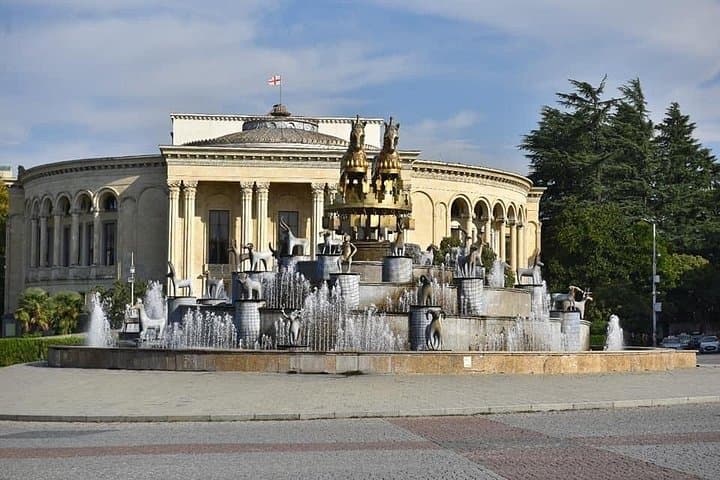
A short walk in Kutaisi moves with a city's rhythm: the Rioni River nudges at stone embankments, poets' verses glint on the White Bridge, and the Colchis Fountain throws spray at noonday light. Visitors set out from the central square and pace through layered neighborhoods — from the opera house façade to the concentrated hum of the Green Bazaar.
A short walk in Kutaisi moves with a city's rhythm: the Rioni River nudges at stone embankments, poets' verses glint on the White Bridge, and the Colchis Fountain throws spray at noonday light. Visitors set out from the central square and pace through layered neighborhoods — from the opera house façade to the concentrated hum of the Green Bazaar.
The town’s story is visible in plain sight. Kutaisi was an ancient capital of the Colchian kingdom, its streets sitting at the western edge of the Lesser Caucasus foothills where limestone terraces meet fertile river plains. Architecture here traces Tsarist, Soviet and modern Georgian chapters: small statues recall prehistory, the Meskhishvili Theatre marks 20th-century civic life, and the Catholic and Jewish districts speak to a once-diverse urban fabric.
Expect short blocks of varied pavement, modest elevation change and frequent stops for photos and local snacks. Guides typically point out engraved bridge poems, the Golden Marquee palace exterior and market stalls selling preserves, cheese and churchkhela. The walk moves at an easy pace — good for curious travelers who prefer context over speed.
Practicalities: allow 2–3 hours, carry water and a light jacket for sudden wind off the river, and wear supportive shoes for cobblestones. Mornings and late afternoons deliver softer light for photos and smaller crowds. English- or Russian-speaking guides are common; public transport is nearby if you want to extend the day to nearby monasteries or the Sataplia reserve.