THE ADVENTURE COLLECTIVE® · Independent discovery and booking for outdoor travel

A private day trip from Prague that pairs high Gothic architecture with subterranean mining history and the eerie artistry of the Sedlec Ossuary. This guided tour covers St. Barbara’s, the Italian Court, silver mine tunnels and the town’s historic monuments in a single, well-paced day.
A private day trip from Prague that pairs high Gothic architecture with subterranean mining history and the eerie artistry of the Sedlec Ossuary. This guided tour covers St. Barbara’s, the Italian Court, silver mine tunnels and the town’s historic monuments in a single, well-paced day.
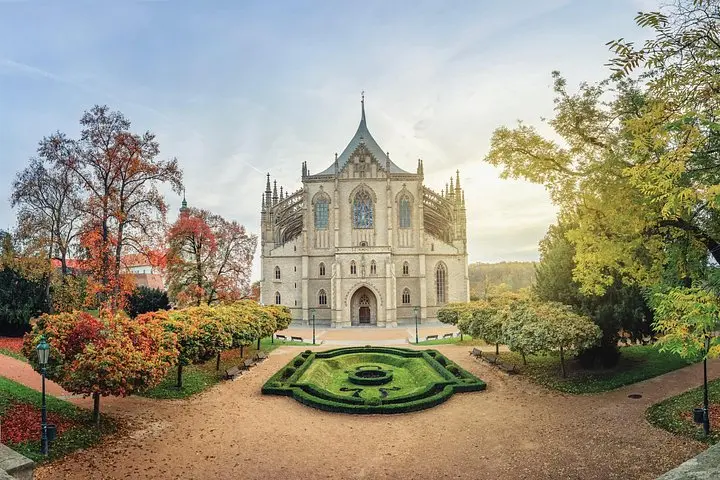
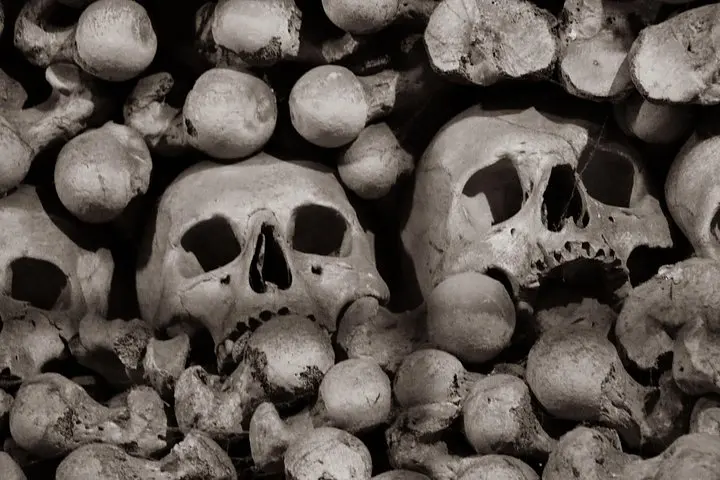
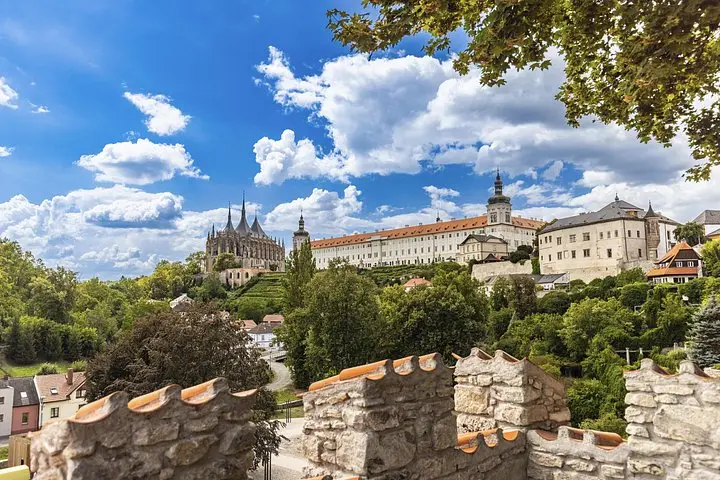
The coach eases out of Prague and the open countryside pulls the visitor toward stone roofs and a skyline of Gothic spires. In Kutná Hora the air feels cool and old: narrow lanes lead to St. Barbara’s soaring vaults, miners’ graffiti and the hush of a chapel made of bones. The town’s architecture and alleyways move at the pace of its mining past, each street a chapter of commerce, faith and risk.
Verified experiences and guided adventures in the surrounding area.
Operated by Tripola · Kutná Hora, Central Bohemian Region
The coach eases out of Prague and the open countryside pulls the visitor toward stone roofs and a skyline of Gothic spires. In Kutná Hora the air feels cool and old: narrow lanes lead to St. Barbara’s soaring vaults, miners’ graffiti and the hush of a chapel made of bones. The town’s architecture and alleyways move at the pace of its mining past, each street a chapter of commerce, faith and risk.
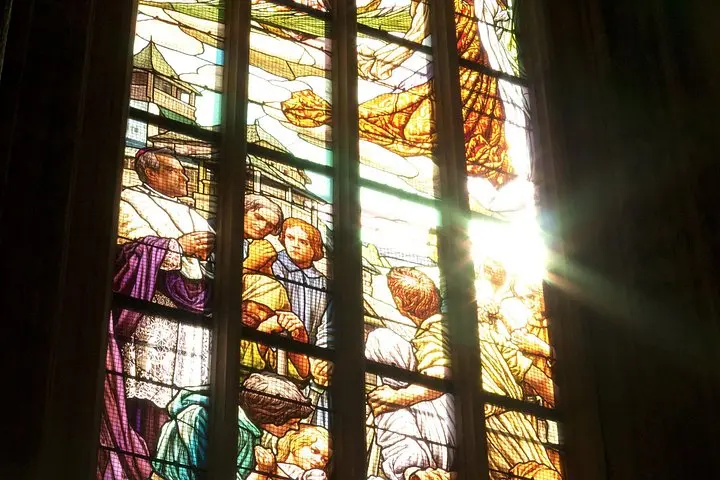
Kutná Hora rose on veins of silver in the 13th–15th centuries; its wealth minted crowns and carved sculptures that still hold light in stained glass. Geologically, the area sits where Palaeozoic sediments and mineral veins were worked by hand—tunnels that slope and breathe, where miner’s helmets spotlight damp rock and wooden supports. Culturally, the town blends Bohemian civic pride with ecclesiastical power: the Italian Court where coins were struck, St. Barbara’s flamboyant Gothic nave, and the macabre creativity of Sedlec Ossuary.
On a private day tour expect measured pacing: guided access to landmarks, a subterranean mine visit with helmets, and time for photos at the Stone Fountain and Plague Column. Practicalities matter—wear sturdy shoes for cobbles and uneven cellars, bring a light jacket for underground cool, and allow 6–7 hours including travel. Guides usually handle tickets and logistics, leaving visitors to absorb frescoes, imagine miners’ lives and stand quietly under a chandelier of bones that reorients the sense of history.
The experience is equal parts museum, miniature landscape and lived-in town: sensory, factual and quietly unforgettable.
Travel time by air-conditioned vehicle is roughly 60–70 minutes each way, depending on traffic.
Admissions are often handled by the guide but confirm in booking; some entrances may require on-site tickets.
The surface sites and town are accessible, but the historic mine tunnels include tight, uneven spaces and are not suitable for wheelchairs—check the operator’s accessibility notes.
Most private tours include short free periods in the town center to shop or photograph, but the itinerary is generally scheduled to cover key sites.
Tripola operates guided outdoor trips and adventures with an emphasis on safety, stewardship, and memorable experiences.
The coach eases out of Prague and the open countryside pulls the visitor toward stone roofs and a skyline of Gothic spires. In Kutná Hora the air feels cool and old: narrow lanes lead to St. Barbara’s soaring vaults, miners’ graffiti and the hush of a chapel made of bones. The town’s architecture and alleyways move at the pace of its mining past, each street a chapter of commerce, faith and risk.
The coach eases out of Prague and the open countryside pulls the visitor toward stone roofs and a skyline of Gothic spires. In Kutná Hora the air feels cool and old: narrow lanes lead to St. Barbara’s soaring vaults, miners’ graffiti and the hush of a chapel made of bones. The town’s architecture and alleyways move at the pace of its mining past, each street a chapter of commerce, faith and risk.
Kutná Hora rose on veins of silver in the 13th–15th centuries; its wealth minted crowns and carved sculptures that still hold light in stained glass. Geologically, the area sits where Palaeozoic sediments and mineral veins were worked by hand—tunnels that slope and breathe, where miner’s helmets spotlight damp rock and wooden supports. Culturally, the town blends Bohemian civic pride with ecclesiastical power: the Italian Court where coins were struck, St. Barbara’s flamboyant Gothic nave, and the macabre creativity of Sedlec Ossuary.
On a private day tour expect measured pacing: guided access to landmarks, a subterranean mine visit with helmets, and time for photos at the Stone Fountain and Plague Column. Practicalities matter—wear sturdy shoes for cobbles and uneven cellars, bring a light jacket for underground cool, and allow 6–7 hours including travel. Guides usually handle tickets and logistics, leaving visitors to absorb frescoes, imagine miners’ lives and stand quietly under a chandelier of bones that reorients the sense of history.
The experience is equal parts museum, miniature landscape and lived-in town: sensory, factual and quietly unforgettable.