THE ADVENTURE COLLECTIVE® · Independent discovery and booking for outdoor travel

Explore Kuwait’s cultural heartbeat on a focused 3‑hour private tour of Tareq Rajab and Bait Al‑Othman museums. Experience Islamic art, calligraphy and Kuwaiti social history with a local guide and accessible transport.
Explore Kuwait’s cultural heartbeat on a focused 3‑hour private tour of Tareq Rajab and Bait Al‑Othman museums. Experience Islamic art, calligraphy and Kuwaiti social history with a local guide and accessible transport.
Stepping out of a shaded street into the quiet galleries of Kuwait City, the day rearranges itself around objects that carry centuries. The tour begins with the Tareq Rajab Museum’s dense rooms of metalwork, embroidered costumes and Arabic calligraphy where script leans and curves like a living language. An hour later a private car moves you through Hawalli to Bait Al-Othman, a newer museum tracing Kuwaiti life from pre-oil pearl-diving settlements to the urban present.
Verified experiences and guided adventures in the surrounding area.
Operated by Baitalkhairan Tour Operator Company · Kuwait City, Al Asimah
Stepping out of a shaded street into the quiet galleries of Kuwait City, the day rearranges itself around objects that carry centuries. The tour begins with the Tareq Rajab Museum’s dense rooms of metalwork, embroidered costumes and Arabic calligraphy where script leans and curves like a living language. An hour later a private car moves you through Hawalli to Bait Al-Othman, a newer museum tracing Kuwaiti life from pre-oil pearl-diving settlements to the urban present.
The two museums offer contrasting cultural windows: Tareq Rajab (est. 1980) holds a private collection of some 30,000 items spanning Islamic manuscripts, arms and folk silver, while Bait Al-Othman (opened 2013) curates social history—domestic objects, models and photographs that explain how Kuwait transformed in a century.
Expect compact galleries, low lighting in conservation areas, and displays that reward slow reading. Photography rules vary by room; staff can advise. The practical part of the tour is straightforward: it’s a 3‑hour private experience for up to six people, guided in English or Arabic, with door‑to‑door transport and bottled water provided. Admissions are not included, so factor museum entry fees and passport/ID for groups.
Plan for light walking on flat museum floors, arrive early to avoid heat and school groups, and allow time afterward for a coffee in nearby cafes that give a small window onto daily Kuwaiti life. If mobility is a concern, both venues report wheelchair access and accessible transport—confirm at booking.
No—admission fees are not included; you’ll pay entrance at each museum unless your booking explicitly states otherwise.
Guides for this tour are available in English and Arabic as part of the standard inclusion.
Both museums and the transport provided report wheelchair accessibility; advise the operator of specific needs at booking to ensure accommodations.
Bookings are private for a maximum of six people and require manual confirmation by the operator; allow time for confirmation after booking.
Baitalkhairan Tour Operator Company operates guided outdoor trips and adventures with an emphasis on safety, stewardship, and memorable experiences.
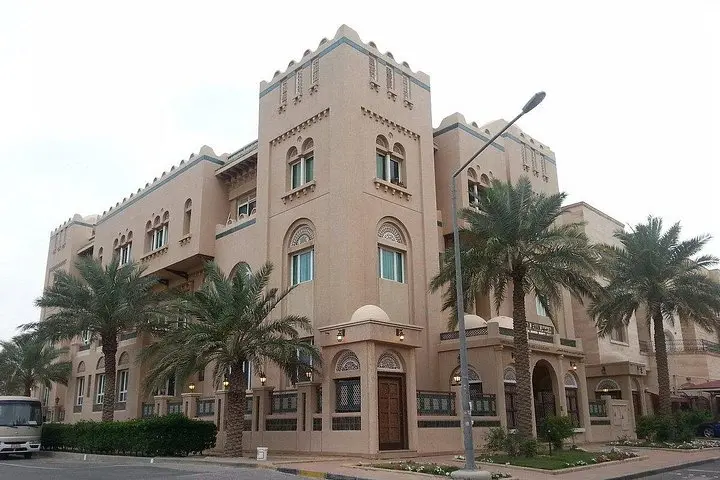
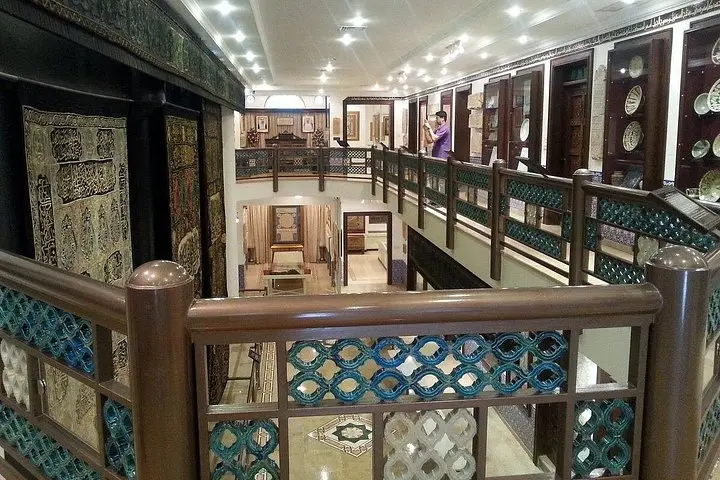
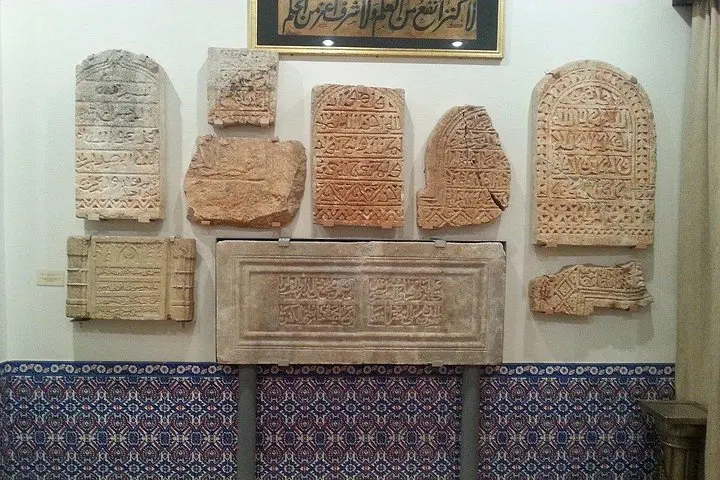
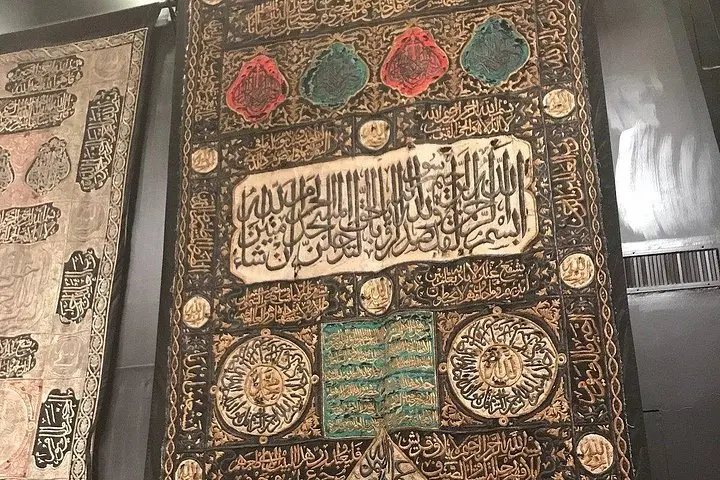
Stepping out of a shaded street into the quiet galleries of Kuwait City, the day rearranges itself around objects that carry centuries. The tour begins with the Tareq Rajab Museum’s dense rooms of metalwork, embroidered costumes and Arabic calligraphy where script leans and curves like a living language. An hour later a private car moves you through Hawalli to Bait Al-Othman, a newer museum tracing Kuwaiti life from pre-oil pearl-diving settlements to the urban present.
Stepping out of a shaded street into the quiet galleries of Kuwait City, the day rearranges itself around objects that carry centuries. The tour begins with the Tareq Rajab Museum’s dense rooms of metalwork, embroidered costumes and Arabic calligraphy where script leans and curves like a living language. An hour later a private car moves you through Hawalli to Bait Al-Othman, a newer museum tracing Kuwaiti life from pre-oil pearl-diving settlements to the urban present.
The two museums offer contrasting cultural windows: Tareq Rajab (est. 1980) holds a private collection of some 30,000 items spanning Islamic manuscripts, arms and folk silver, while Bait Al-Othman (opened 2013) curates social history—domestic objects, models and photographs that explain how Kuwait transformed in a century.
Expect compact galleries, low lighting in conservation areas, and displays that reward slow reading. Photography rules vary by room; staff can advise. The practical part of the tour is straightforward: it’s a 3‑hour private experience for up to six people, guided in English or Arabic, with door‑to‑door transport and bottled water provided. Admissions are not included, so factor museum entry fees and passport/ID for groups.
Plan for light walking on flat museum floors, arrive early to avoid heat and school groups, and allow time afterward for a coffee in nearby cafes that give a small window onto daily Kuwaiti life. If mobility is a concern, both venues report wheelchair access and accessible transport—confirm at booking.