THE ADVENTURE COLLECTIVE® · Independent discovery and booking for outdoor travel

A demanding 26-day expedition that combines high-altitude trekking and technical alpine climbing. Kyajo Ri’s South West Ridge offers mixed rock and ice, fixed-rope sections and sustained days above 5,000 m—ideal for climbers seeking a full Himalayan expedition experience.
A demanding 26-day expedition that combines high-altitude trekking and technical alpine climbing. Kyajo Ri’s South West Ridge offers mixed rock and ice, fixed-rope sections and sustained days above 5,000 m—ideal for climbers seeking a full Himalayan expedition experience.
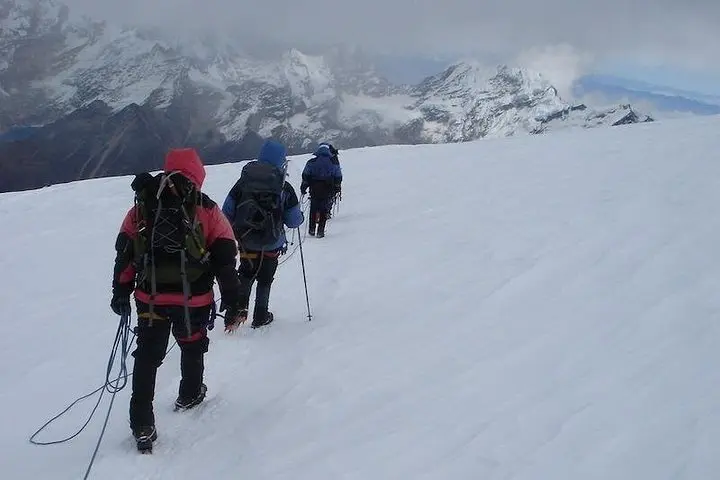
You step off the small Lukla plane into thin, cold air and the mountains close in—terrors and promises carved in blue ice and serac. Over the next weeks the route threads through Sherpa villages, high moraines and a ragged glacier system before the South West Ridge of Kyajo Ri narrows into steep mixed rock and ice that demands measured steps and fixed ropes.
Verified experiences and guided adventures in the surrounding area.
Operated by Dream Himalaya Adventures Pvt Ltd · Namche Bazaar, Province No. 1
You step off the small Lukla plane into thin, cold air and the mountains close in—terrors and promises carved in blue ice and serac. Over the next weeks the route threads through Sherpa villages, high moraines and a ragged glacier system before the South West Ridge of Kyajo Ri narrows into steep mixed rock and ice that demands measured steps and fixed ropes.
Geology here is young and jagged: uplifted metamorphic and granitic intrusions that feed steep ridges and fragile snow cornices. The climb’s history is modern Himalayan exploration—less frequented than Ama Dablam but valued for its technical variety and high-altitude expedition profile. Cultural touchpoints appear early: prayer flags, mani walls and Thame’s stone houses reflect centuries of Sherpa mountain life that support expedition logistics.
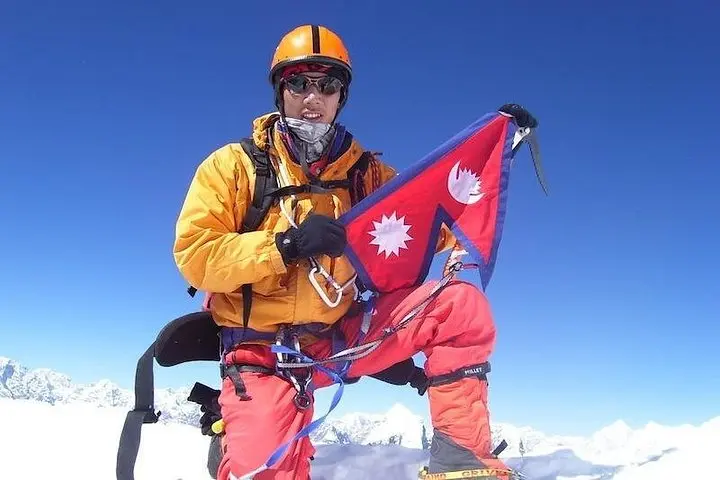
Expect a long itinerary: 26 days with progressive acclimatization—flights to Lukla, treks through Namche to Gokyo, a base camp around 4,600 m and higher camps at ~5,300 m and 5,700 m. Technical pitches range AD+ on mixed rock and ice, with summit sections graded D; the summit sits at 6,186 m and summit day can be a 15-hour return along a glacial ridge.
Practical guidance: train for sustained cardio and heavy-pack ascents, practice crampon and rope work, and budget extra weather buffer days. Hydration, calorie-dense food and strict acclimatization protocols reduce AMS risk. Work with licensed guides who fix ropes and manage logistic details; permits and Nepalese peak fees apply. When the ridge opens, move deliberately—altitude, objective hazards and long exposure reward patience and disciplined leadership.
Yes. This expedition expects participants to have prior glacier and mixed climbing experience; guide teams fix ropes but technical competence is required.
Climbs require a climbing permit from Nepal’s Ministry of Tourism and local peak fees; your operator typically arranges these.
Train for sustained uphill hiking with a loaded pack, interval cardio and technical practice; several months of progressive training is recommended.
Pre-monsoon (April–May) and post-monsoon (September–October) windows offer the most stable weather and clearer summit conditions.
Dream Himalaya Adventures Pvt Ltd operates guided outdoor trips and adventures with an emphasis on safety, stewardship, and memorable experiences.
You step off the small Lukla plane into thin, cold air and the mountains close in—terrors and promises carved in blue ice and serac. Over the next weeks the route threads through Sherpa villages, high moraines and a ragged glacier system before the South West Ridge of Kyajo Ri narrows into steep mixed rock and ice that demands measured steps and fixed ropes.
You step off the small Lukla plane into thin, cold air and the mountains close in—terrors and promises carved in blue ice and serac. Over the next weeks the route threads through Sherpa villages, high moraines and a ragged glacier system before the South West Ridge of Kyajo Ri narrows into steep mixed rock and ice that demands measured steps and fixed ropes.
Geology here is young and jagged: uplifted metamorphic and granitic intrusions that feed steep ridges and fragile snow cornices. The climb’s history is modern Himalayan exploration—less frequented than Ama Dablam but valued for its technical variety and high-altitude expedition profile. Cultural touchpoints appear early: prayer flags, mani walls and Thame’s stone houses reflect centuries of Sherpa mountain life that support expedition logistics.
Expect a long itinerary: 26 days with progressive acclimatization—flights to Lukla, treks through Namche to Gokyo, a base camp around 4,600 m and higher camps at ~5,300 m and 5,700 m. Technical pitches range AD+ on mixed rock and ice, with summit sections graded D; the summit sits at 6,186 m and summit day can be a 15-hour return along a glacial ridge.
Practical guidance: train for sustained cardio and heavy-pack ascents, practice crampon and rope work, and budget extra weather buffer days. Hydration, calorie-dense food and strict acclimatization protocols reduce AMS risk. Work with licensed guides who fix ropes and manage logistic details; permits and Nepalese peak fees apply. When the ridge opens, move deliberately—altitude, objective hazards and long exposure reward patience and disciplined leadership.