THE ADVENTURE COLLECTIVE® · Independent discovery and booking for outdoor travel

Walk Kyoto with a single licensed English guide for two consecutive days, choosing 3–4 must‑see sites each day. This private, customizable tour blends temple history, market tastes and neighborhood stories into a practical on‑foot itinerary.
Walk Kyoto with a single licensed English guide for two consecutive days, choosing 3–4 must‑see sites each day. This private, customizable tour blends temple history, market tastes and neighborhood stories into a practical on‑foot itinerary.
Morning light slides along wooden eaves as you step from a narrow Kyoto lane into a courtyard where the guide waits, map in hand and stories ready. Over two consecutive days you follow footpaths that thread between world‑class temples, market alleys and low wooden storefronts, moving at a walking pace that reveals detail most hurried visitors miss.
Verified experiences and guided adventures in the surrounding area.
Operated by Japan Guide Agency · Kyoto, Kyoto Prefecture
Morning light slides along wooden eaves as you step from a narrow Kyoto lane into a courtyard where the guide waits, map in hand and stories ready. Over two consecutive days you follow footpaths that thread between world‑class temples, market alleys and low wooden storefronts, moving at a walking pace that reveals detail most hurried visitors miss.
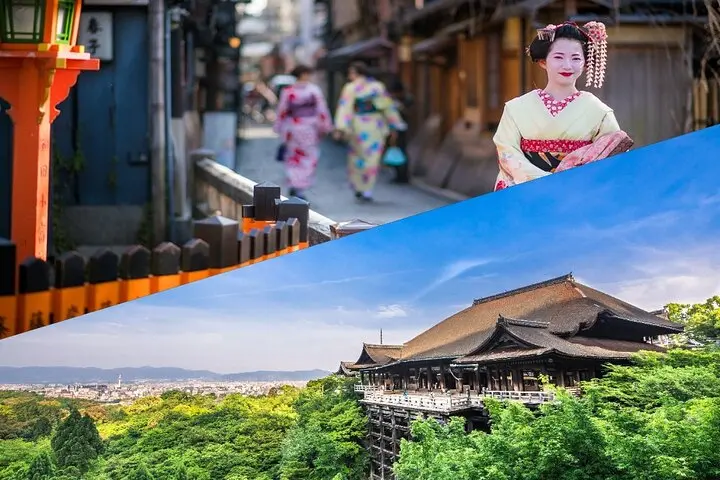
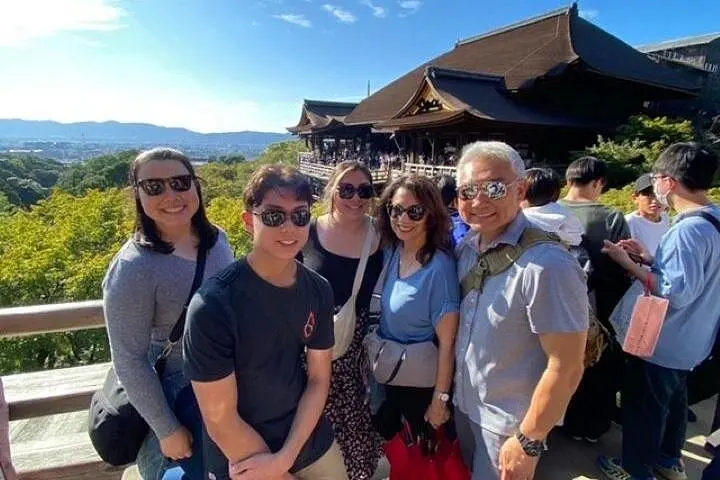
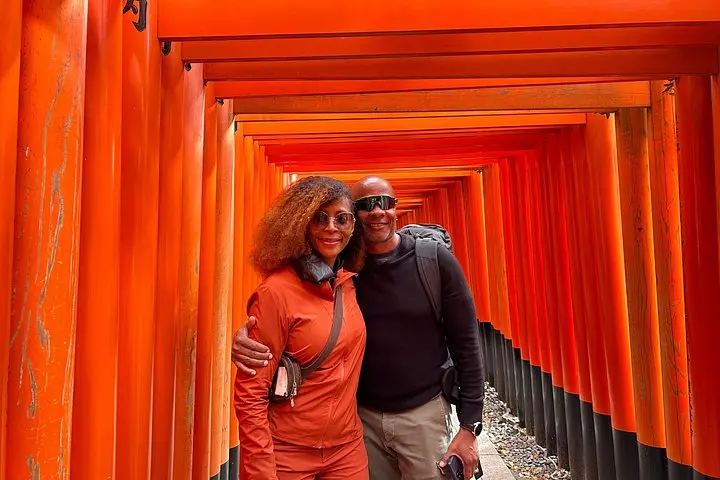
Kyoto was Japan’s capital for over a millennium; its streets and shrines reflect Heian court aesthetics, Zen garden principles and Edo‑period urban planning. The tour connects sites that span that history — from the hilltop views at Kiyomizu‑dera and the shogunal architecture of Nijo Castle to the vermilion torii that mark Fushimi Inari’s climb. Geology and water shape the city: the Kamo River’s floodplain guided settlement and the surrounding Higashiyama and Arashiyama foothills supplied timber and stone for temples.
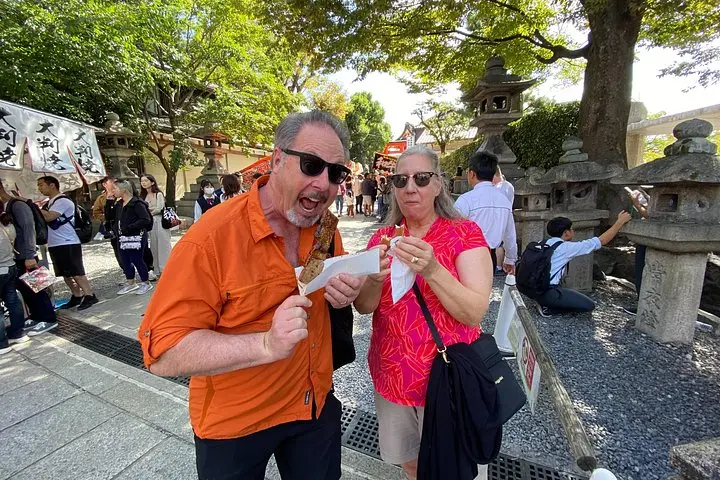
Guides pair cultural context with local tips — where to try matcha, how to read an omikuji, and times when temples are quieter. Practicalities matter: plan for two ~6‑hour walking days, wear broken‑in shoes, and budget small bills for shrine donations and market snacks.
Expect gentle elevation on temple approaches, paved and cobbled surfaces, and frequent stops for explanation and photos. Early starts dodge crowds at signature sites; late afternoons suit riverside dining in Pontocho. The tour is customizable — select 3–4 spots per day — and led by licensed English‑speaking guides who can adapt pace and focus to interests. For travelers who want history and place activated by walking, this two‑day itinerary turns Kyoto’s architecture and ritual into an accessible, on‑foot expedition.
Yes — choose 3–4 sites from the provided lists for each of the two consecutive days; guides will tailor pacing and order.
Many areas on the route are accessible and the tour notes wheelchair and stroller accessibility; check specific sites as some historic temple grounds have steps.
Yes — bookings are for two consecutive days to ensure you have the same licensed guide for both days.
Admissions are generally not included; guides will advise on fees and local lunch options, and you should budget separately for meals.
Japan Guide Agency operates guided outdoor trips and adventures with an emphasis on safety, stewardship, and memorable experiences.
Morning light slides along wooden eaves as you step from a narrow Kyoto lane into a courtyard where the guide waits, map in hand and stories ready. Over two consecutive days you follow footpaths that thread between world‑class temples, market alleys and low wooden storefronts, moving at a walking pace that reveals detail most hurried visitors miss.
Morning light slides along wooden eaves as you step from a narrow Kyoto lane into a courtyard where the guide waits, map in hand and stories ready. Over two consecutive days you follow footpaths that thread between world‑class temples, market alleys and low wooden storefronts, moving at a walking pace that reveals detail most hurried visitors miss.
Kyoto was Japan’s capital for over a millennium; its streets and shrines reflect Heian court aesthetics, Zen garden principles and Edo‑period urban planning. The tour connects sites that span that history — from the hilltop views at Kiyomizu‑dera and the shogunal architecture of Nijo Castle to the vermilion torii that mark Fushimi Inari’s climb. Geology and water shape the city: the Kamo River’s floodplain guided settlement and the surrounding Higashiyama and Arashiyama foothills supplied timber and stone for temples.
Guides pair cultural context with local tips — where to try matcha, how to read an omikuji, and times when temples are quieter. Practicalities matter: plan for two ~6‑hour walking days, wear broken‑in shoes, and budget small bills for shrine donations and market snacks.
Expect gentle elevation on temple approaches, paved and cobbled surfaces, and frequent stops for explanation and photos. Early starts dodge crowds at signature sites; late afternoons suit riverside dining in Pontocho. The tour is customizable — select 3–4 spots per day — and led by licensed English‑speaking guides who can adapt pace and focus to interests. For travelers who want history and place activated by walking, this two‑day itinerary turns Kyoto’s architecture and ritual into an accessible, on‑foot expedition.