THE ADVENTURE COLLECTIVE® · Independent discovery and booking for outdoor travel

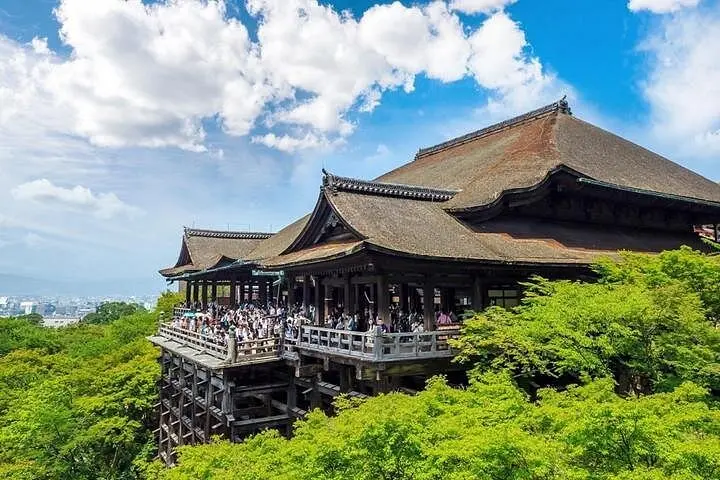
Walk Kyoto with a government-licensed English guide on this customizable 4-hour private tour. Visit two to three sites—Kiyomizu-dera, Gion, Nishiki Market or imperial gardens—while learning history, ritual, and local logistics.
Walk Kyoto with a government-licensed English guide on this customizable 4-hour private tour. Visit two to three sites—Kiyomizu-dera, Gion, Nishiki Market or imperial gardens—while learning history, ritual, and local logistics.
A mid-morning in Kyoto begins with the city’s rooflines and temple eaves sliding into view as you step off the train and into a guide who knows these streets like a map. The 4-hour private walking tour threads through cedar-scented temple grounds, the chatter of Nishiki Market, and the close-quartered lantern-lit alleys of Gion, where the past keeps pace with modern life.
Verified experiences and guided adventures in the surrounding area.
Operated by Japan Guide Agency · Kyoto, Kyoto Prefecture
A mid-morning in Kyoto begins with the city’s rooflines and temple eaves sliding into view as you step off the train and into a guide who knows these streets like a map. The 4-hour private walking tour threads through cedar-scented temple grounds, the chatter of Nishiki Market, and the close-quartered lantern-lit alleys of Gion, where the past keeps pace with modern life.
Kyoto served as Japan’s capital for over a millennium; its temples and palaces reflect layers of Heian and Edo-era architecture. Geological terraces of the surrounding Higashiyama foothills channel rainwater into the Kamo River, which nudges the city and shapes neighborhoods like Pontocho. Culturally, this is a city built around ritual — tea, seasonal festivals, and the etiquette that governs shrine visits — and a licensed guide will decode those rituals and point out details most visitors miss.
Expect varied terrain: paved streets, stone stairways up to Kiyomizu-dera, compact market alleys, and occasional slippery steps after rain. You’ll move at a steady walking pace with short pauses for commentary, photos, and food tastings at Nishiki Market. Guides tailor the route to your interests — history, architecture, or culinary sampling — and can adjust timing to avoid peak crowds at major sites.
Practical tips: wear broken-in shoes, carry a refillable water bottle, and bring cash for small shrine offerings and market treats. Morning or late-afternoon departures reduce heat in summer and maximize golden light for temple façades. With a licensed English-speaking guide, the city’s stories come alive and the itinerary stays flexible — ideal for first-time visitors wanting a deep, efficient introduction to Kyoto.
Yes — the licensed guide will plan a custom route based on your choice of 2–3 sites or offer recommended itineraries by interest.
Many central Kyoto streets and some temple grounds are accessible, but historic sites often have steps; confirm access needs with the guide before booking.
This listing is private; your party is the group and the guide adapts the pace and stops accordingly.
Guides are government-licensed and English-speaking; specify any other language needs when booking.
Japan Guide Agency operates guided outdoor trips and adventures with an emphasis on safety, stewardship, and memorable experiences.
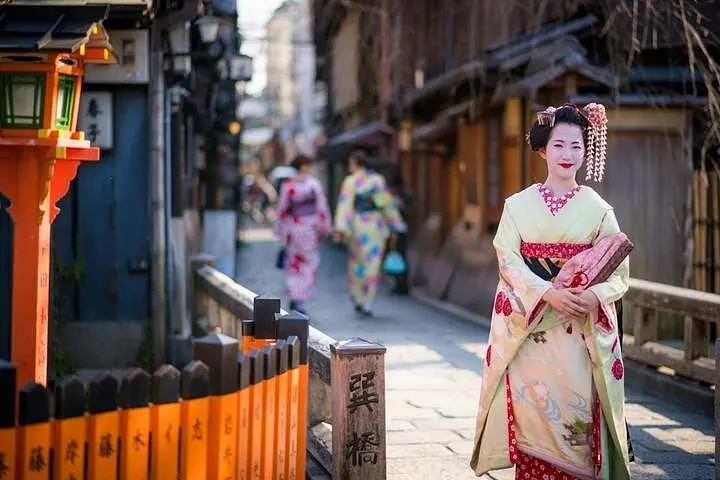
A mid-morning in Kyoto begins with the city’s rooflines and temple eaves sliding into view as you step off the train and into a guide who knows these streets like a map. The 4-hour private walking tour threads through cedar-scented temple grounds, the chatter of Nishiki Market, and the close-quartered lantern-lit alleys of Gion, where the past keeps pace with modern life.
A mid-morning in Kyoto begins with the city’s rooflines and temple eaves sliding into view as you step off the train and into a guide who knows these streets like a map. The 4-hour private walking tour threads through cedar-scented temple grounds, the chatter of Nishiki Market, and the close-quartered lantern-lit alleys of Gion, where the past keeps pace with modern life.
Kyoto served as Japan’s capital for over a millennium; its temples and palaces reflect layers of Heian and Edo-era architecture. Geological terraces of the surrounding Higashiyama foothills channel rainwater into the Kamo River, which nudges the city and shapes neighborhoods like Pontocho. Culturally, this is a city built around ritual — tea, seasonal festivals, and the etiquette that governs shrine visits — and a licensed guide will decode those rituals and point out details most visitors miss.
Expect varied terrain: paved streets, stone stairways up to Kiyomizu-dera, compact market alleys, and occasional slippery steps after rain. You’ll move at a steady walking pace with short pauses for commentary, photos, and food tastings at Nishiki Market. Guides tailor the route to your interests — history, architecture, or culinary sampling — and can adjust timing to avoid peak crowds at major sites.
Practical tips: wear broken-in shoes, carry a refillable water bottle, and bring cash for small shrine offerings and market treats. Morning or late-afternoon departures reduce heat in summer and maximize golden light for temple façades. With a licensed English-speaking guide, the city’s stories come alive and the itinerary stays flexible — ideal for first-time visitors wanting a deep, efficient introduction to Kyoto.