THE ADVENTURE COLLECTIVE® · Independent discovery and booking for outdoor travel

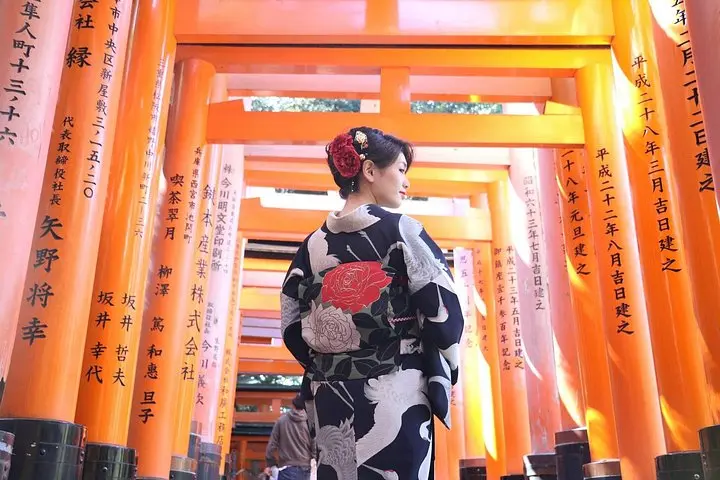
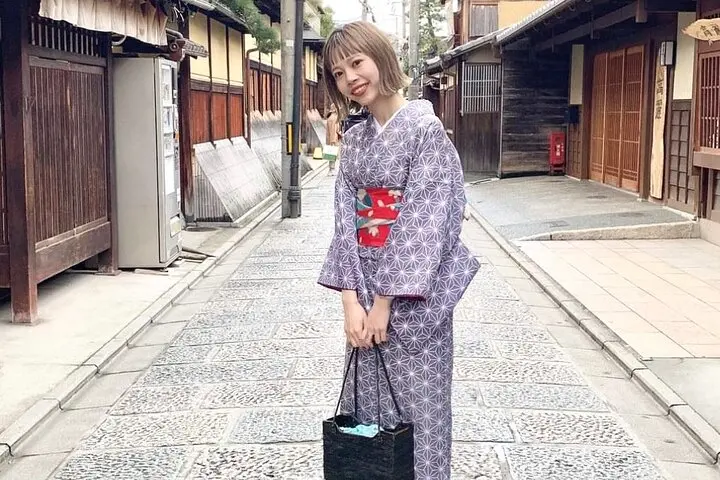
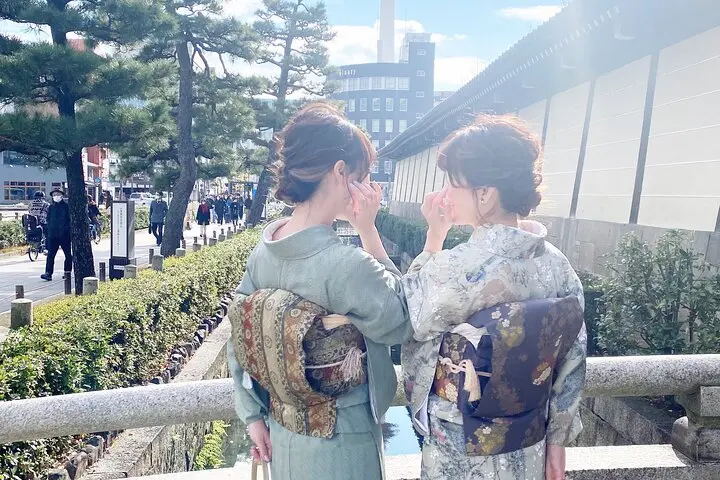
Dress in a kimono and walk Kyoto’s living history with a private English-speaking guide. Over six hours you’ll visit 2–3 chosen sites—temples, markets, and shrines—while learning the stories behind the city’s rituals and gardens.
Dress in a kimono and walk Kyoto’s living history with a private English-speaking guide. Over six hours you’ll visit 2–3 chosen sites—temples, markets, and shrines—while learning the stories behind the city’s rituals and gardens.
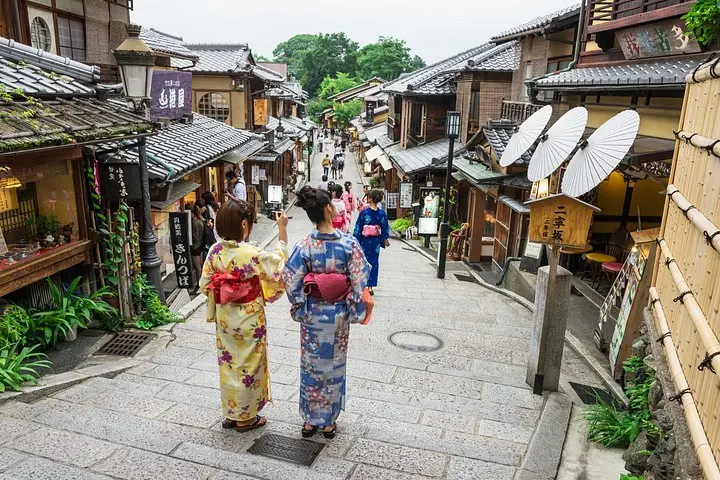
You step out of a small dressing room into the coolness of a Kyoto morning, silk wrapped and obi tied by a practiced pair of hands. The city seems to flatten time: wooden eaves, stone lanterns and the distant murmur of the Kamo River—always moving, daring visitors to slow down and look closer.
Verified experiences and guided adventures in the surrounding area.
Operated by Japan Guide Agency · Kyoto, Kyoto Prefecture
You step out of a small dressing room into the coolness of a Kyoto morning, silk wrapped and obi tied by a practiced pair of hands. The city seems to flatten time: wooden eaves, stone lanterns and the distant murmur of the Kamo River—always moving, daring visitors to slow down and look closer.
Kyoto was Japan’s capital for over a thousand years; its streets carry layers of Heian court culture, Sengoku warfare and Edo-era urban life. Temples like Kinkaku-ji and Ginkaku-ji reflect shifts in power and aesthetics—gold leaf, moss gardens, and deliberately composed vistas that guided religious practice and courtly taste. The geology here is gentle: low hills to the east (Higashiyama) feed clear streams and create the microclimates that favored temples and tea gardens.
A private guide translates the city’s rituals—how Shinto and Buddhist practices overlap, why tea ceremony aesthetics emerged here, and where geisha culture still quietly shapes certain alleys. Wearing a kimono makes those lessons tactile; movement and etiquette become part of the story.
Practical guidance: this is a mostly flat, walkable urban tour with multiple short stops—plan for 6 hours including kimono dressing time. Choose 2–3 sites with your guide (Fushimi Inari’s trails, Nishiki Market, and a Zen temple are common picks). Bring cash for temple admissions and street food, wear comfortable tabi-compatible footwear or low-soled shoes, and expect slower walking while in kimono. Morning light or late-afternoon golden hour offers the best photos and smaller crowds. If you have mobility concerns, request accessible routing in advance; the operator lists wheelchair access for many locations.
Yes — you will be dressed and can walk the chosen sites in kimono, but you must return it by the time instructed (usually at least one hour before closing).
Standard kimono sizes are listed (women 150–170cm, men 165–200cm); staff will adapt fittings if an exact size isn’t available but notify the operator of sizing needs beforehand.
Many areas and services are wheelchair accessible and the operator notes accessibility—provide mobility requirements at booking so the guide can plan an appropriate itinerary.
Yes — the tour is customizable; choose 2–3 sites from the suggested list or ask the guide for recommendations based on interests and crowd timing.
Japan Guide Agency operates guided outdoor trips and adventures with an emphasis on safety, stewardship, and memorable experiences.
You step out of a small dressing room into the coolness of a Kyoto morning, silk wrapped and obi tied by a practiced pair of hands. The city seems to flatten time: wooden eaves, stone lanterns and the distant murmur of the Kamo River—always moving, daring visitors to slow down and look closer.
You step out of a small dressing room into the coolness of a Kyoto morning, silk wrapped and obi tied by a practiced pair of hands. The city seems to flatten time: wooden eaves, stone lanterns and the distant murmur of the Kamo River—always moving, daring visitors to slow down and look closer.
Kyoto was Japan’s capital for over a thousand years; its streets carry layers of Heian court culture, Sengoku warfare and Edo-era urban life. Temples like Kinkaku-ji and Ginkaku-ji reflect shifts in power and aesthetics—gold leaf, moss gardens, and deliberately composed vistas that guided religious practice and courtly taste. The geology here is gentle: low hills to the east (Higashiyama) feed clear streams and create the microclimates that favored temples and tea gardens.
A private guide translates the city’s rituals—how Shinto and Buddhist practices overlap, why tea ceremony aesthetics emerged here, and where geisha culture still quietly shapes certain alleys. Wearing a kimono makes those lessons tactile; movement and etiquette become part of the story.
Practical guidance: this is a mostly flat, walkable urban tour with multiple short stops—plan for 6 hours including kimono dressing time. Choose 2–3 sites with your guide (Fushimi Inari’s trails, Nishiki Market, and a Zen temple are common picks). Bring cash for temple admissions and street food, wear comfortable tabi-compatible footwear or low-soled shoes, and expect slower walking while in kimono. Morning light or late-afternoon golden hour offers the best photos and smaller crowds. If you have mobility concerns, request accessible routing in advance; the operator lists wheelchair access for many locations.