THE ADVENTURE COLLECTIVE® · Independent discovery and booking for outdoor travel

Spend a carefully paced day from Arashiyama’s bamboo to Nara’s roaming deer with an English-speaking guide and private driver. This full-day trip blends Kyoto’s temple architecture, markets and torii climbs with Nara’s ancient temples and wildlife.
Spend a carefully paced day from Arashiyama’s bamboo to Nara’s roaming deer with an English-speaking guide and private driver. This full-day trip blends Kyoto’s temple architecture, markets and torii climbs with Nara’s ancient temples and wildlife.
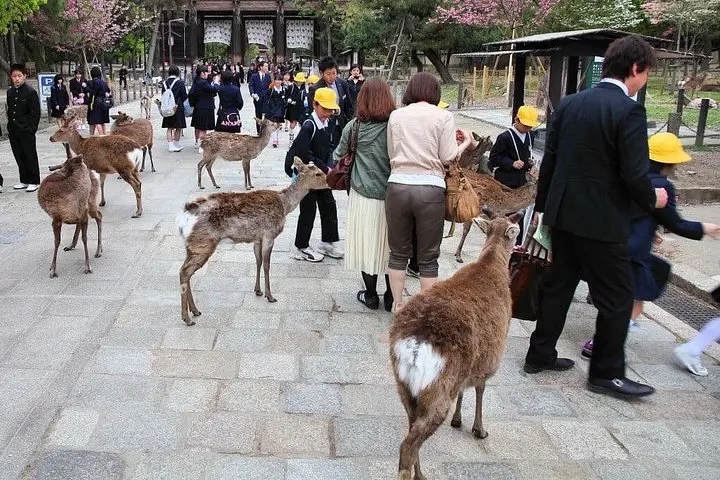
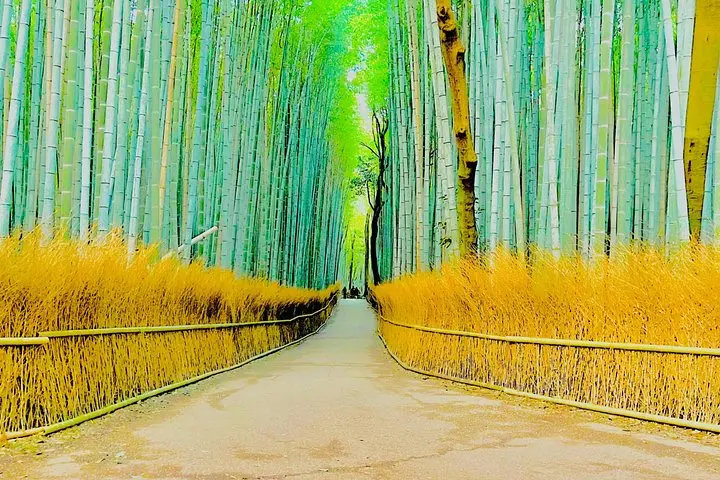
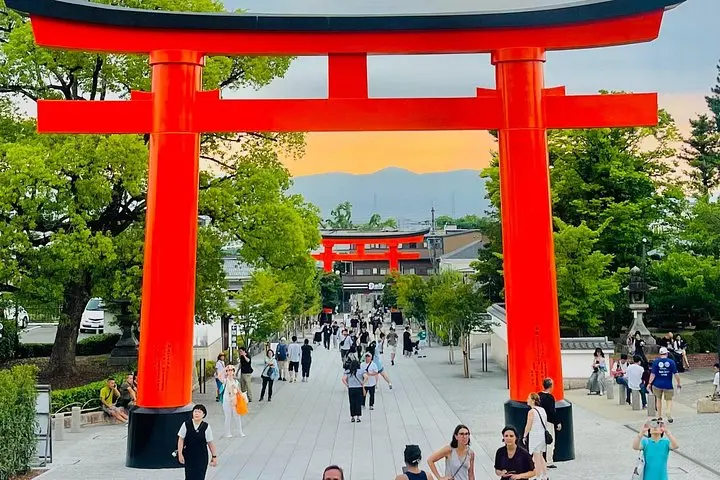
Morning light filters through towering bamboo stalks in Arashiyama, the columns humming as a private vehicle pulls up and an English-speaking guide steps out. You move from quiet temple gardens to the shimmer of gold leaf on Kinkaku-ji, then into the red-ribboned tunnels of Fushimi Inari; by afternoon the flat plains of Nara open and deer wander between shrine lanterns. The day feels curated but unhurried, paced by your guide and the steady rhythm of Kyoto’s streets.
Verified experiences and guided adventures in the surrounding area.
Operated by Kyoto luxe tours · Kyoto, Kyoto Prefecture
Morning light filters through towering bamboo stalks in Arashiyama, the columns humming as a private vehicle pulls up and an English-speaking guide steps out. You move from quiet temple gardens to the shimmer of gold leaf on Kinkaku-ji, then into the red-ribboned tunnels of Fushimi Inari; by afternoon the flat plains of Nara open and deer wander between shrine lanterns. The day feels curated but unhurried, paced by your guide and the steady rhythm of Kyoto’s streets.
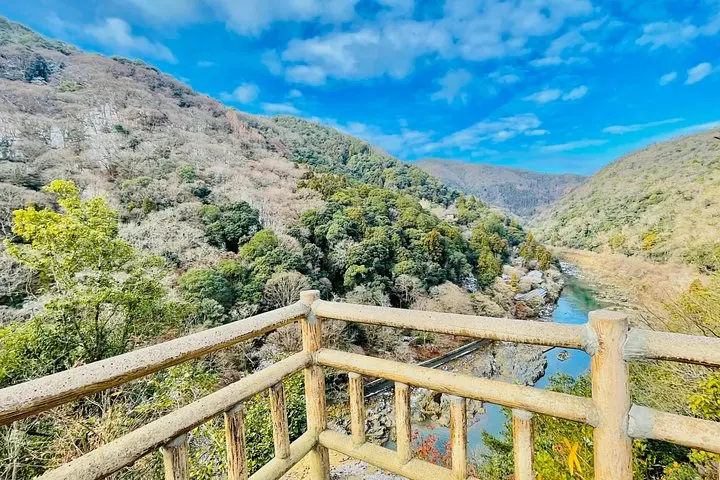
Kyoto was Japan’s imperial heart from 794 to 1868; Nara predates it as the 8th-century capital that left behind giant wooden halls and the Daibutsu at Tōdai-ji. Geology shapes both places: Kyoto sits in a river basin surrounded by low mountains that cradle moss gardens and bamboo groves, while Nara spreads across a gentle plain where ancient trade routes once met pilgrimage paths. Local culture is palpable — seasonal ceremonies, temple etiquette and the shy bow of a bowing deer at Nara Deer Park.
Practical guidance: this is a full 10-hour private tour with several short walks—expect 4–6 miles of on-foot exploration across uneven temple grounds and market lanes. Admissions to major sites are typically not included; carry cash for small purchases and shrine donations. Wear supportive shoes, bring a compact umbrella or rain jacket in spring and summer, and plan to start early to avoid crowds at Fushimi Inari and Arashiyama. Be respectful when interacting with wildlife: feed deer only with designated crackers sold on-site and avoid sudden movements. The private guide and driver handle logistics, leaving you to focus on history, flavors, and the subtle ways the landscape nudges you forward.
Admissions to specific temples and attractions are typically not included; your guide will advise on fees and handle logistics where possible.
Expect several short walks totaling roughly 4–6 miles over the day, across mixed surfaces like paved streets, market lanes and temple steps.
The tour notes stroller accessibility and private transport, but some temple areas have steps and uneven ground—notify the operator when booking to plan routes.
Food is not included; your guide can recommend and take you to Nishiki Market and local eateries for tasting regional specialties.
Kyoto luxe tours operates guided outdoor trips and adventures with an emphasis on safety, stewardship, and memorable experiences.
Morning light filters through towering bamboo stalks in Arashiyama, the columns humming as a private vehicle pulls up and an English-speaking guide steps out. You move from quiet temple gardens to the shimmer of gold leaf on Kinkaku-ji, then into the red-ribboned tunnels of Fushimi Inari; by afternoon the flat plains of Nara open and deer wander between shrine lanterns. The day feels curated but unhurried, paced by your guide and the steady rhythm of Kyoto’s streets.
Morning light filters through towering bamboo stalks in Arashiyama, the columns humming as a private vehicle pulls up and an English-speaking guide steps out. You move from quiet temple gardens to the shimmer of gold leaf on Kinkaku-ji, then into the red-ribboned tunnels of Fushimi Inari; by afternoon the flat plains of Nara open and deer wander between shrine lanterns. The day feels curated but unhurried, paced by your guide and the steady rhythm of Kyoto’s streets.
Kyoto was Japan’s imperial heart from 794 to 1868; Nara predates it as the 8th-century capital that left behind giant wooden halls and the Daibutsu at Tōdai-ji. Geology shapes both places: Kyoto sits in a river basin surrounded by low mountains that cradle moss gardens and bamboo groves, while Nara spreads across a gentle plain where ancient trade routes once met pilgrimage paths. Local culture is palpable — seasonal ceremonies, temple etiquette and the shy bow of a bowing deer at Nara Deer Park.
Practical guidance: this is a full 10-hour private tour with several short walks—expect 4–6 miles of on-foot exploration across uneven temple grounds and market lanes. Admissions to major sites are typically not included; carry cash for small purchases and shrine donations. Wear supportive shoes, bring a compact umbrella or rain jacket in spring and summer, and plan to start early to avoid crowds at Fushimi Inari and Arashiyama. Be respectful when interacting with wildlife: feed deer only with designated crackers sold on-site and avoid sudden movements. The private guide and driver handle logistics, leaving you to focus on history, flavors, and the subtle ways the landscape nudges you forward.