THE ADVENTURE COLLECTIVE® · Independent discovery and booking for outdoor travel

Experience Kyoto’s hanami with a private local guide: secret cherry-tree alcoves, a depachika obento selection, and a secluded sakura picnic. This four-hour walk blends cultural insight with practical tips for enjoying spring blooms beyond the crowds.
Experience Kyoto’s hanami with a private local guide: secret cherry-tree alcoves, a depachika obento selection, and a secluded sakura picnic. This four-hour walk blends cultural insight with practical tips for enjoying spring blooms beyond the crowds.
You step under an arch of pale pink, petals drifting like slow confetti as the city hums around you. In Maruyama Park the blossoms lean toward the path, offering private pockets of shade while your local host points out a quiet cluster of trees where few visitors pause.
Verified experiences and guided adventures in the surrounding area.
Operated by City Unscripted · Kyoto, Kyoto
You step under an arch of pale pink, petals drifting like slow confetti as the city hums around you. In Maruyama Park the blossoms lean toward the path, offering private pockets of shade while your local host points out a quiet cluster of trees where few visitors pause.
Hanami in Kyoto traces back to palace gardens of the Heian era; the practice matured here as emperors and poets marked spring’s arrival beneath transient blooms. The city sits on a flat basin framed by forested hills—Higashiyama’s slopes and Kyoto’s rivers shape where trees were planted and where pockets of calm persist. Cultural rhythms are constant: sakura-themed sweets, the careful selection of a bento, and the silent etiquette of not touching branches.
This private four-hour walk moves beyond postcard views to lesser-known groves in Kyoto Gyoen and the curated chaos of Daimaru’s depachika, where your guide helps choose an obento crafted for the season. Expect short, flat walking stretches on paved paths and park lawns, intermittent stair sections in temple and hill areas, and a seated picnic under a canopy selected for privacy.
Plan to visit late March to early April; mornings and weekdays are quietest. Dress in light, layered clothing for spring chills, carry a reusable bottle, and bring cash or an IC transit card for depachika purchases. Respect local customs: don’t pick blossoms, leave no trace, and follow your host’s guidance on where picnics are permitted. The result is a sensory, cultural window into Kyoto’s most ephemeral season—intimate, instructive, and designed for lingering.
Peak bloom typically occurs from late March to early April in Kyoto, but exact timing varies year to year with weather—check forecasts a week ahead.
Yes—paths in parks like Maruyama and Kyoto Gyoen are generally stroller-accessible; advise the host of any special needs when booking.
Hosts can help select or modify obento options, but communicate dietary requirements at booking to ensure appropriate choices in the depachika.
This private experience usually runs in light rain—bring a rain jacket; for heavy storms, cancellation and refund policies depend on the provider’s terms (check when booking).
City Unscripted operates guided outdoor trips and adventures with an emphasis on safety, stewardship, and memorable experiences.
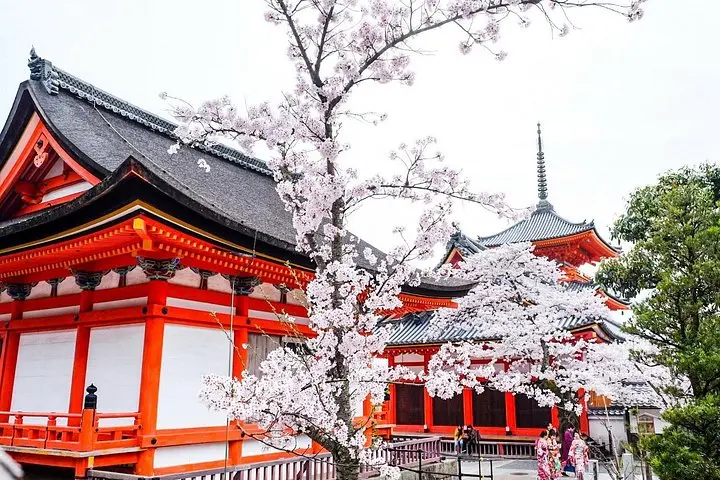
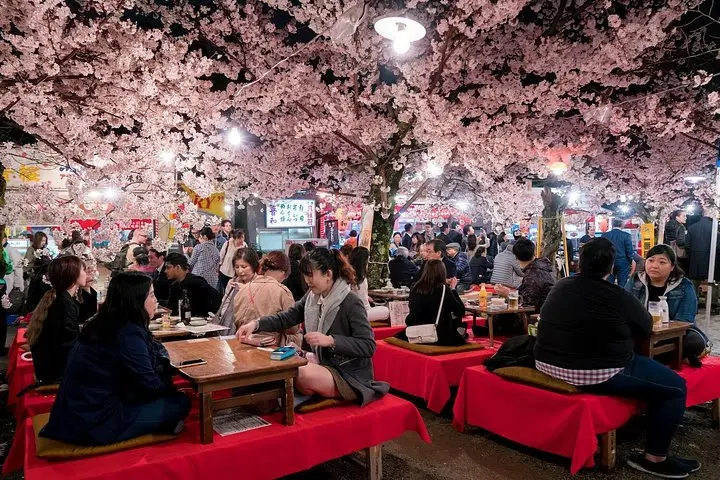
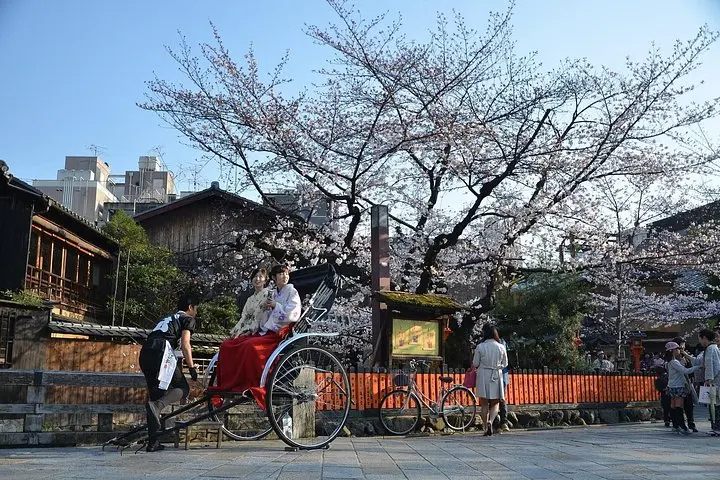
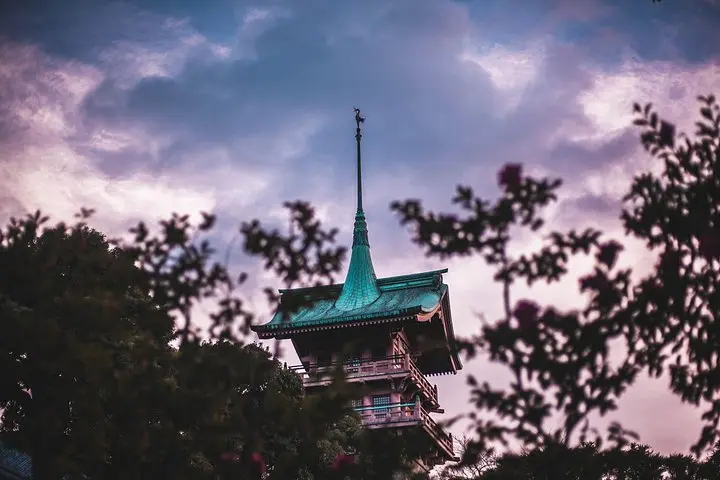
You step under an arch of pale pink, petals drifting like slow confetti as the city hums around you. In Maruyama Park the blossoms lean toward the path, offering private pockets of shade while your local host points out a quiet cluster of trees where few visitors pause.
You step under an arch of pale pink, petals drifting like slow confetti as the city hums around you. In Maruyama Park the blossoms lean toward the path, offering private pockets of shade while your local host points out a quiet cluster of trees where few visitors pause.
Hanami in Kyoto traces back to palace gardens of the Heian era; the practice matured here as emperors and poets marked spring’s arrival beneath transient blooms. The city sits on a flat basin framed by forested hills—Higashiyama’s slopes and Kyoto’s rivers shape where trees were planted and where pockets of calm persist. Cultural rhythms are constant: sakura-themed sweets, the careful selection of a bento, and the silent etiquette of not touching branches.
This private four-hour walk moves beyond postcard views to lesser-known groves in Kyoto Gyoen and the curated chaos of Daimaru’s depachika, where your guide helps choose an obento crafted for the season. Expect short, flat walking stretches on paved paths and park lawns, intermittent stair sections in temple and hill areas, and a seated picnic under a canopy selected for privacy.
Plan to visit late March to early April; mornings and weekdays are quietest. Dress in light, layered clothing for spring chills, carry a reusable bottle, and bring cash or an IC transit card for depachika purchases. Respect local customs: don’t pick blossoms, leave no trace, and follow your host’s guidance on where picnics are permitted. The result is a sensory, cultural window into Kyoto’s most ephemeral season—intimate, instructive, and designed for lingering.