THE ADVENTURE COLLECTIVE® · Independent discovery and booking for outdoor travel

Spend a day traveling from Osaka to Kyoto’s signature sites: Arashiyama’s bamboo grove, the torii of Fushimi Inari, and a traditional Kobe beef shabu-shabu dinner in a 120-year-old machiya—then wander historic streets under lantern light.
Spend a day traveling from Osaka to Kyoto’s signature sites: Arashiyama’s bamboo grove, the torii of Fushimi Inari, and a traditional Kobe beef shabu-shabu dinner in a 120-year-old machiya—then wander historic streets under lantern light.
You step off an air-conditioned coach into the cooling shade of Arashiyama, where bamboo stalks lean and whisper like a slow-moving crowd guiding you deeper into the grove.
Verified experiences and guided adventures in the surrounding area.
Operated by VIP Japan Tours · Kyoto, Kyoto Prefecture
You step off an air-conditioned coach into the cooling shade of Arashiyama, where bamboo stalks lean and whisper like a slow-moving crowd guiding you deeper into the grove.
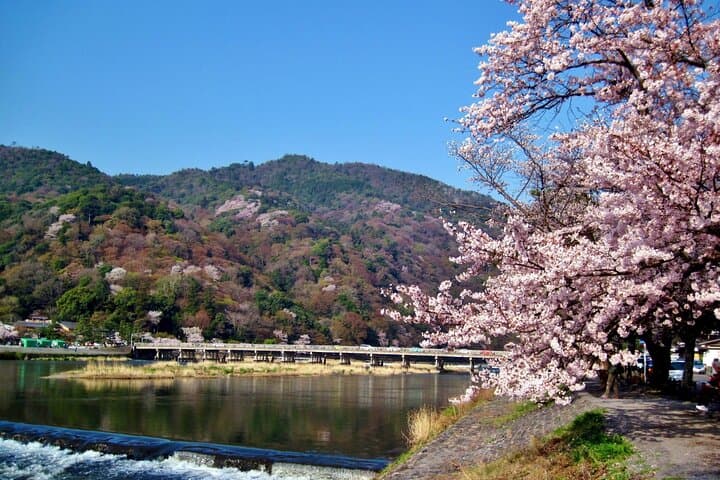
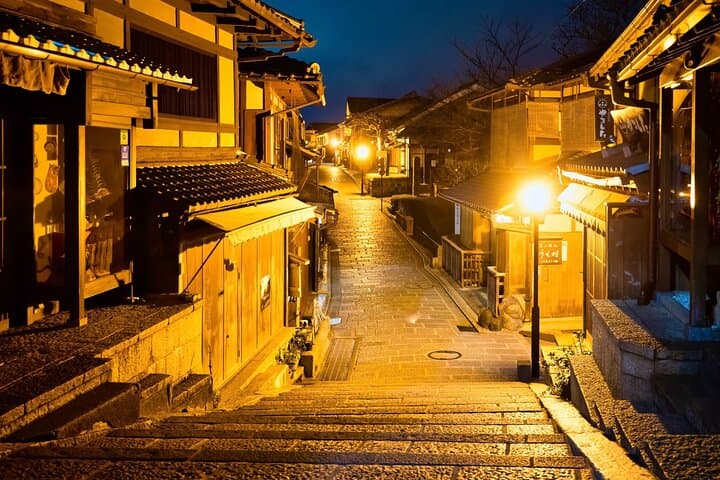
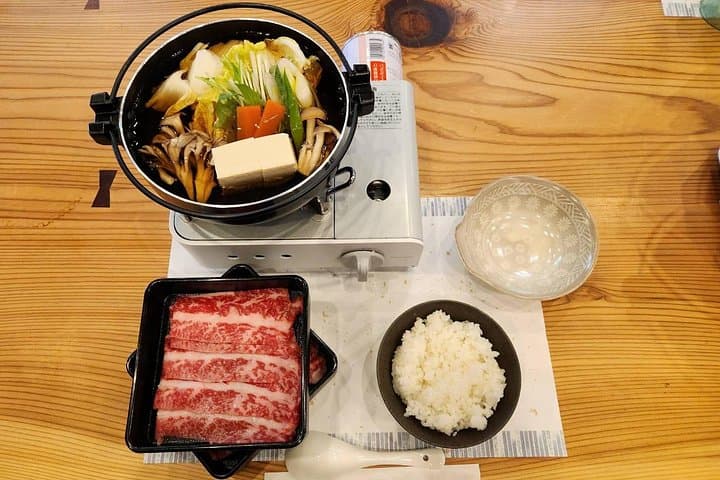
The tour threads together Kyoto’s contrasting faces: Arashiyama’s towering bamboo and riverside viewpoints, the red tunnel of Fushimi Inari Taisha’s torii climbing the slope, and a twilight walk through lantern-lit Sannenzaka and Pontocho. The dinner stop—Kobe beef shabu-shabu served in a 120-year-old machiya at Kyoto Wasabi—connects culinary craft to the city’s layered past: Toyotomi Hideyoshi’s Jurakudai once dominated this neighborhood, and Fushimi’s torii reflect centuries of local devotion and trade.
Geologically, the Katsura River carved the valley that allowed Arashiyama’s narrow terraces and bamboo stands to flourish; culturally, the corridors of wooden machiya and pagodas preserve Edo- and Muromachi-era urban textures. At dusk, the Yasaka Pagoda’s silhouette stakes its claim against the night, while the Kamo and Katsura rivers dare you to slow down and watch reflections shift.
Practical guidance: this is a full 9–10 hour outing that mixes seated travel with multiple short walks—wear supportive shoes and layers for temperature swings. Bring a small daypack, some cash for snacks or shrine offerings, and allow time for photography at each stop; guides accommodate English and Chinese commentary depending on group size. Arrive at the Osaka meeting point 10–15 minutes early—buses leave on schedule. The route is suitable for most fitness levels but expect standing, stair climbs at shrine approaches, and narrow pedestrian streets after dark.
The tour runs about 9–10 hours (approx. 540–600 minutes), departing early afternoon from Namba in Osaka and returning the same evening.
This tour includes transportation and dinner; shrine entry is generally free, and specific attraction admissions are not required for the featured stops.
Infants under 3 are usually free if seated on a lap; the itinerary involves walking and stairs, so families should plan accordingly.
Commentary is provided in English and Chinese; depending on group size both languages may be used on the same bus.
VIP Japan Tours operates guided outdoor trips and adventures with an emphasis on safety, stewardship, and memorable experiences.

You step off an air-conditioned coach into the cooling shade of Arashiyama, where bamboo stalks lean and whisper like a slow-moving crowd guiding you deeper into the grove.
You step off an air-conditioned coach into the cooling shade of Arashiyama, where bamboo stalks lean and whisper like a slow-moving crowd guiding you deeper into the grove.
The tour threads together Kyoto’s contrasting faces: Arashiyama’s towering bamboo and riverside viewpoints, the red tunnel of Fushimi Inari Taisha’s torii climbing the slope, and a twilight walk through lantern-lit Sannenzaka and Pontocho. The dinner stop—Kobe beef shabu-shabu served in a 120-year-old machiya at Kyoto Wasabi—connects culinary craft to the city’s layered past: Toyotomi Hideyoshi’s Jurakudai once dominated this neighborhood, and Fushimi’s torii reflect centuries of local devotion and trade.
Geologically, the Katsura River carved the valley that allowed Arashiyama’s narrow terraces and bamboo stands to flourish; culturally, the corridors of wooden machiya and pagodas preserve Edo- and Muromachi-era urban textures. At dusk, the Yasaka Pagoda’s silhouette stakes its claim against the night, while the Kamo and Katsura rivers dare you to slow down and watch reflections shift.
Practical guidance: this is a full 9–10 hour outing that mixes seated travel with multiple short walks—wear supportive shoes and layers for temperature swings. Bring a small daypack, some cash for snacks or shrine offerings, and allow time for photography at each stop; guides accommodate English and Chinese commentary depending on group size. Arrive at the Osaka meeting point 10–15 minutes early—buses leave on schedule. The route is suitable for most fitness levels but expect standing, stair climbs at shrine approaches, and narrow pedestrian streets after dark.