THE ADVENTURE COLLECTIVE® · Independent discovery and booking for outdoor travel

Cover Kyoto’s cultural highlights by e-bike: glide from the gilded reflection of Kinkaku-ji to the cathedral-like stand of bamboo in Arashiyama. This guided 5–6 hour ride mixes easy pedaling with walking visits to UNESCO-listed temples and quiet neighborhood lanes.
Cover Kyoto’s cultural highlights by e-bike: glide from the gilded reflection of Kinkaku-ji to the cathedral-like stand of bamboo in Arashiyama. This guided 5–6 hour ride mixes easy pedaling with walking visits to UNESCO-listed temples and quiet neighborhood lanes.
You push off under a low morning light, the e-bike’s assist humming as the lane unfurls through quiet neighborhood streets. The Golden Pavilion appears first—its gilded face catching the pond and throwing it back in fractured light—then the route threads toward Arashiyama where bamboo rises in vertical curtains that shift and whisper with every breeze.
Verified experiences and guided adventures in the surrounding area.
Operated by Memory Kyoto Bike Tour · Kyoto, Kyoto
You push off under a low morning light, the e-bike’s assist humming as the lane unfurls through quiet neighborhood streets. The Golden Pavilion appears first—its gilded face catching the pond and throwing it back in fractured light—then the route threads toward Arashiyama where bamboo rises in vertical curtains that shift and whisper with every breeze.
Kinkaku-ji began life as a 14th-century retirement villa and later became a Zen temple; nearby Tenryu-ji anchors the Arashiyama district with a landscape garden born of Muromachi-period design principles. Kyoto’s geology is soft alluvial plains edged by low volcanic hills; the city grew where rivers slowed and terraces formed, guiding routes that riders now follow. Cultural rhythms—shrine festivals, plum and cherry seasons, the measured silence of temple gardens—shape what you see and when you should visit.
On an e-bike tour you experience those layers efficiently: backstreet lanes, wooden machiya facades, temple approaches and the narrow walkways under towering bamboo. Expect mostly paved routes with occasional cobbles and short pedestrian sections near major temples; total time is around 5–6 hours with stops for brief walks and photo windows.
Practical guidance: bring layered clothing, closed-toe shoes, and a small backpack for water and camera. Start early to avoid crowds at Arashiyama and Kinkaku-ji, and listen to your guide about local etiquette—remove hats or speak softly inside temple grounds. The e-bike keeps the trip accessible, but remain alert at intersections and on narrow lanes.
Most Kyoto tour e-bikes are pedal-assist models—pedaling engages the motor to make climbing short slopes easier while keeping control intuitive.
Yes; the route is designed for all fitness levels, with frequent stops and flat urban sections; guides give basic handling instructions.
Typical inclusions are e-bike use, helmet, a bottle of water, entrance to featured temples where indicated, and an English-speaking guide—confirm specific inclusions with the operator.
Very busy mid-day, especially during cherry blossom and autumn color seasons—early morning departures provide quieter conditions and better photos.
Memory Kyoto Bike Tour operates guided outdoor trips and adventures with an emphasis on safety, stewardship, and memorable experiences.
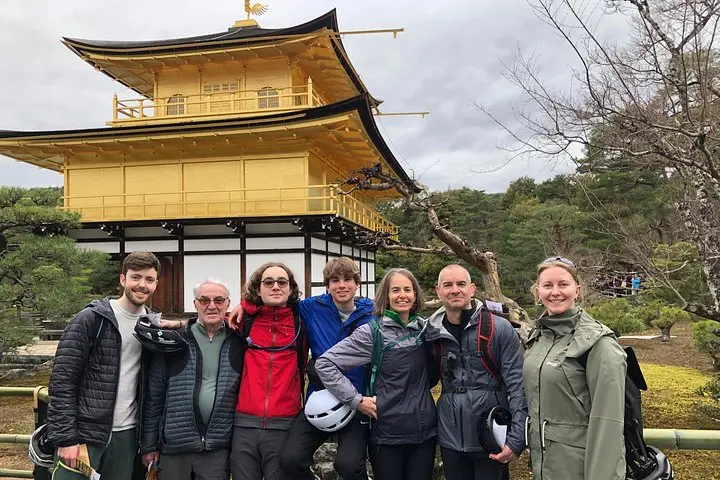
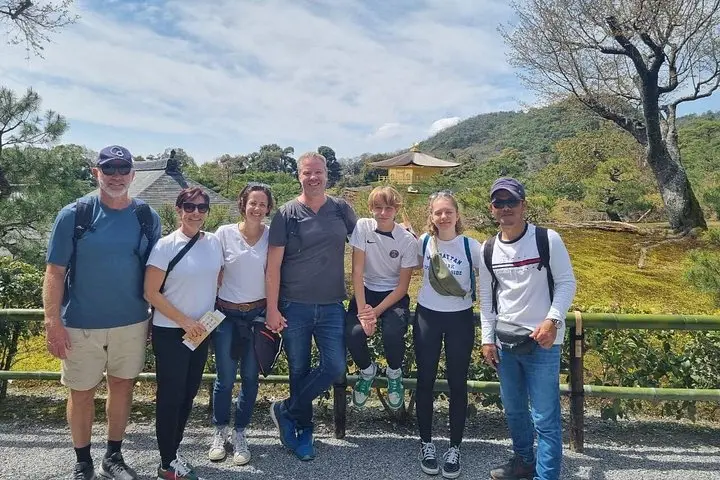
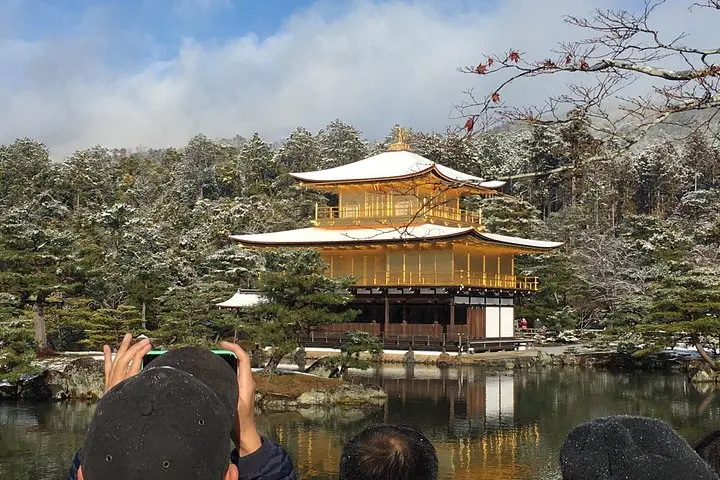
You push off under a low morning light, the e-bike’s assist humming as the lane unfurls through quiet neighborhood streets. The Golden Pavilion appears first—its gilded face catching the pond and throwing it back in fractured light—then the route threads toward Arashiyama where bamboo rises in vertical curtains that shift and whisper with every breeze.
You push off under a low morning light, the e-bike’s assist humming as the lane unfurls through quiet neighborhood streets. The Golden Pavilion appears first—its gilded face catching the pond and throwing it back in fractured light—then the route threads toward Arashiyama where bamboo rises in vertical curtains that shift and whisper with every breeze.
Kinkaku-ji began life as a 14th-century retirement villa and later became a Zen temple; nearby Tenryu-ji anchors the Arashiyama district with a landscape garden born of Muromachi-period design principles. Kyoto’s geology is soft alluvial plains edged by low volcanic hills; the city grew where rivers slowed and terraces formed, guiding routes that riders now follow. Cultural rhythms—shrine festivals, plum and cherry seasons, the measured silence of temple gardens—shape what you see and when you should visit.
On an e-bike tour you experience those layers efficiently: backstreet lanes, wooden machiya facades, temple approaches and the narrow walkways under towering bamboo. Expect mostly paved routes with occasional cobbles and short pedestrian sections near major temples; total time is around 5–6 hours with stops for brief walks and photo windows.
Practical guidance: bring layered clothing, closed-toe shoes, and a small backpack for water and camera. Start early to avoid crowds at Arashiyama and Kinkaku-ji, and listen to your guide about local etiquette—remove hats or speak softly inside temple grounds. The e-bike keeps the trip accessible, but remain alert at intersections and on narrow lanes.