THE ADVENTURE COLLECTIVE® · Independent discovery and booking for outdoor travel

Beat the crowds with an early-morning English tour of Kyoto’s signature sights: the torii tunnels of Fushimi Inari, the swaying bamboo of Arashiyama, and the wild macaques at Iwatayama. It’s a compact, five-hour walk-and-ride that blends history, views, and local insight.
Beat the crowds with an early-morning English tour of Kyoto’s signature sights: the torii tunnels of Fushimi Inari, the swaying bamboo of Arashiyama, and the wild macaques at Iwatayama. It’s a compact, five-hour walk-and-ride that blends history, views, and local insight.
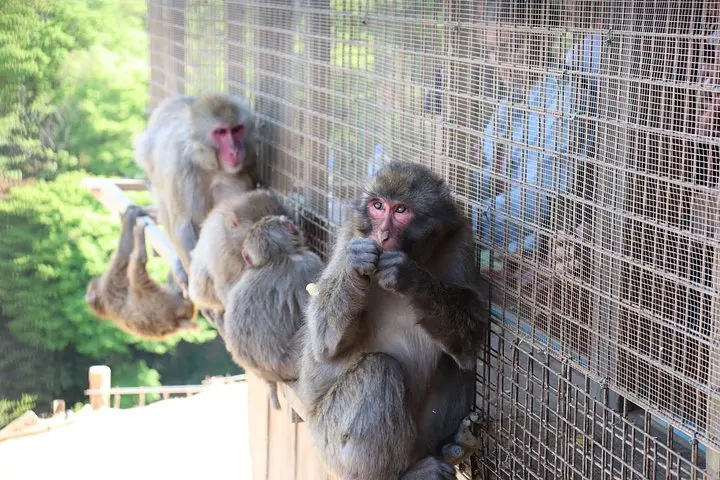
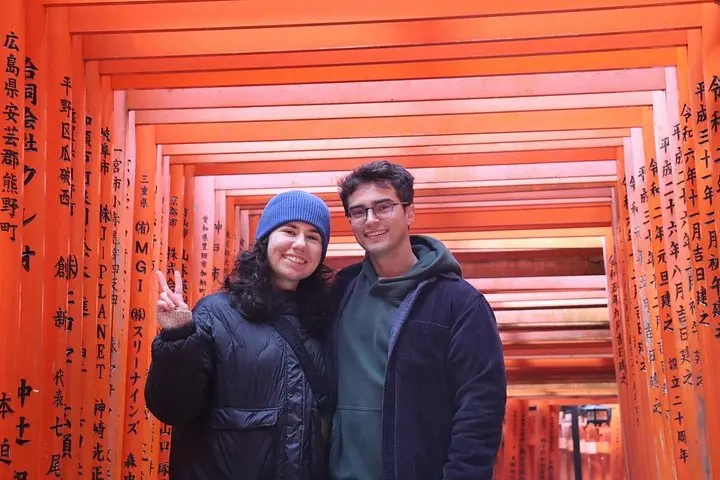
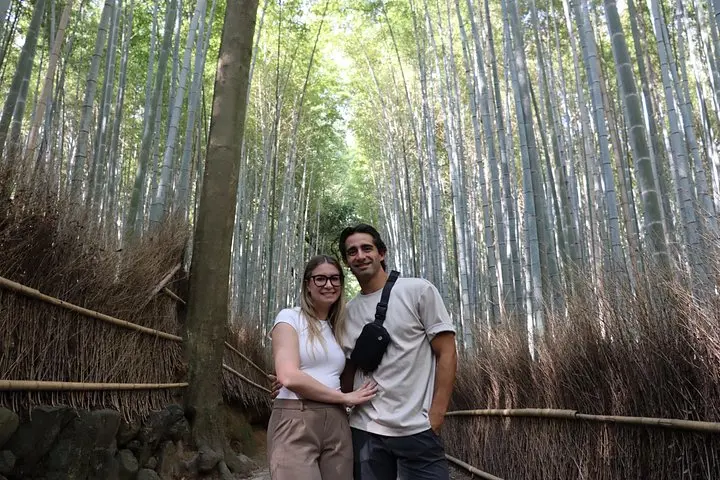
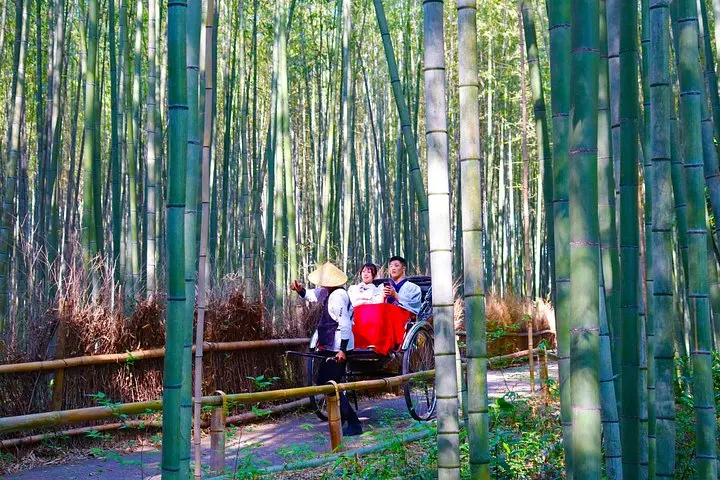
The morning light in Kyoto slices cleanly through rows of vermilion torii and tall bamboo, and this early-bird walking tour positions you inside that quiet. You start at Kyoto Station as the city wakes, move into the otherworldly tunnels of Fushimi Inari’s gates, then ride west to Arashiyama where bamboo stalks lean and river currents dare you to slow down. The finale is a short climb to Iwatayama Monkey Park, where macaques roam and the city spreads below like a living map.
Verified experiences and guided adventures in the surrounding area.
Operated by OTAKU hopper · Kyoto, Kyoto
The morning light in Kyoto slices cleanly through rows of vermilion torii and tall bamboo, and this early-bird walking tour positions you inside that quiet. You start at Kyoto Station as the city wakes, move into the otherworldly tunnels of Fushimi Inari’s gates, then ride west to Arashiyama where bamboo stalks lean and river currents dare you to slow down. The finale is a short climb to Iwatayama Monkey Park, where macaques roam and the city spreads below like a living map.
Fushimi Inari dates back more than a millennium as a shrine to Inari, the rice deity, and its thousands of donated gates chart both faith and local commerce. Arashiyama has drawn visitors since the Heian era for seasonal spectacle; the bamboo there is geologically tied to the alluvial plain of the Katsura River, which shaped the valley you’ll walk. Cultural notes come naturally here: shrine etiquette at Inari, kimono-patterned art poles along the riverside, and the human-wildlife edges at the monkey enclosure.
Practically, expect 5 hours of mixed walking and public-transport hops, moderate fitness, several flights of stairs at the shrine and a ~20-minute uphill approach at the monkey park. Wear grippy shoes, bring a lightweight jacket, and carry small change for transportation and small purchases. Mornings are cooler and less crowded — timing is the advantage. Your English-speaking guide will take photos, point out cultural cues, and keep the route efficient so you get quiet moments in two of Kyoto’s most photographed places.
Expect moderate walking totaling roughly 3–5 miles over varied terrain, including shrine steps and a short uphill to the monkey park.
Admission to Monkey Park is not included — plan to pay the small entry fee on-site and bring cash or card.
Yes if they have moderate mobility; the monkey park has a short steep approach and Fushimi Inari includes many steps.
This tour is conducted in English with a local guide experienced in cultural interpretation and photo assistance.
OTAKU hopper operates guided outdoor trips and adventures with an emphasis on safety, stewardship, and memorable experiences.
The morning light in Kyoto slices cleanly through rows of vermilion torii and tall bamboo, and this early-bird walking tour positions you inside that quiet. You start at Kyoto Station as the city wakes, move into the otherworldly tunnels of Fushimi Inari’s gates, then ride west to Arashiyama where bamboo stalks lean and river currents dare you to slow down. The finale is a short climb to Iwatayama Monkey Park, where macaques roam and the city spreads below like a living map.
The morning light in Kyoto slices cleanly through rows of vermilion torii and tall bamboo, and this early-bird walking tour positions you inside that quiet. You start at Kyoto Station as the city wakes, move into the otherworldly tunnels of Fushimi Inari’s gates, then ride west to Arashiyama where bamboo stalks lean and river currents dare you to slow down. The finale is a short climb to Iwatayama Monkey Park, where macaques roam and the city spreads below like a living map.
Fushimi Inari dates back more than a millennium as a shrine to Inari, the rice deity, and its thousands of donated gates chart both faith and local commerce. Arashiyama has drawn visitors since the Heian era for seasonal spectacle; the bamboo there is geologically tied to the alluvial plain of the Katsura River, which shaped the valley you’ll walk. Cultural notes come naturally here: shrine etiquette at Inari, kimono-patterned art poles along the riverside, and the human-wildlife edges at the monkey enclosure.
Practically, expect 5 hours of mixed walking and public-transport hops, moderate fitness, several flights of stairs at the shrine and a ~20-minute uphill approach at the monkey park. Wear grippy shoes, bring a lightweight jacket, and carry small change for transportation and small purchases. Mornings are cooler and less crowded — timing is the advantage. Your English-speaking guide will take photos, point out cultural cues, and keep the route efficient so you get quiet moments in two of Kyoto’s most photographed places.