THE ADVENTURE COLLECTIVE® · Independent discovery and booking for outdoor travel

Dress in kimono or yukata and step into Gion’s historic streets with a family-friendly rental at WARGO. Quick to prepare and culturally immersive, this experience pairs authentic garments with easy walking routes through Kyoto’s oldest neighborhoods.
Dress in kimono or yukata and step into Gion’s historic streets with a family-friendly rental at WARGO. Quick to prepare and culturally immersive, this experience pairs authentic garments with easy walking routes through Kyoto’s oldest neighborhoods.
A narrow lantern-lit lane opens and the city’s stone gutters whisper as a family steps out of WARGO in matching yukata. The clack of zori sandals on cobbles, the soft tug of an obi being tightened—these are the small gestures that change a Kyoto afternoon into a memory.
Verified experiences and guided adventures in the surrounding area.
Operated by Kimono Rental Wargo · Kyoto, Kyoto Prefecture
A narrow lantern-lit lane opens and the city’s stone gutters whisper as a family steps out of WARGO in matching yukata. The clack of zori sandals on cobbles, the soft tug of an obi being tightened—these are the small gestures that change a Kyoto afternoon into a memory.
Gion began as a temple district tied to Yasaka Shrine and grew into the city’s famed geisha quarter in the Edo period; wearing a kimono here is both a cultural gesture and a way to read the neighborhood’s history as you walk. The fabrics tell social cues—pattern, sleeve length, obi style—and WARGO’s family-focused rental plans include basics like undergarments, tabi socks, zori sandals and optional hairstyling so guests can move from dressing to strolling in roughly an hour.
Expect compact streets, wooden machiya facades, and several small temples like Kennin-ji tucked between tea houses. Dressing times vary; standard rentals run 1–7 hours with same-day returns before 5:30 PM or a next-day option to see Gion at night.
Practical guidance: book ahead to secure sizes (plus-size options available), bring a small daypack for valuables, and plan routes with short walking loops—zori are not built for long hikes. Respect private residences and avoid flash photography of performers. Hydrate—Kyoto summers are humid—and layer in spring and fall where mornings can be cool.
For families, the experience is low-impact but richly sensory: fabric against skin, the measured rhythm of traditional footwear, and the city’s wooden bones framing a living piece of Japan’s cultural history.
Dressing usually takes about 60 minutes for a typical kimono or yukata; deluxe packages with hairstyling add additional time.
Yes—WARGO offers family-friendly options and sizes for children; reserve in advance to guarantee availability.
Basic hairstyling is included in some plans (Deluxe); more elaborate sets or kanzashi may cost extra—confirm at booking.
Yes, many WARGO locations offer next-day return options so you can experience Gion at night; confirm return windows at checkout.
Kimono Rental Wargo operates guided outdoor trips and adventures with an emphasis on safety, stewardship, and memorable experiences.

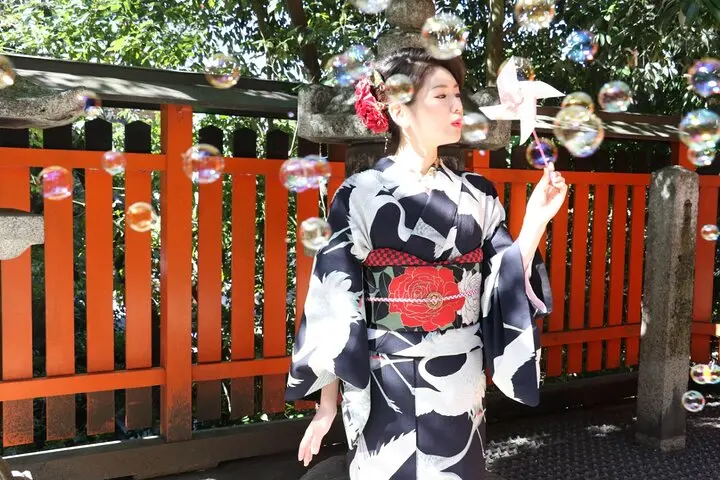
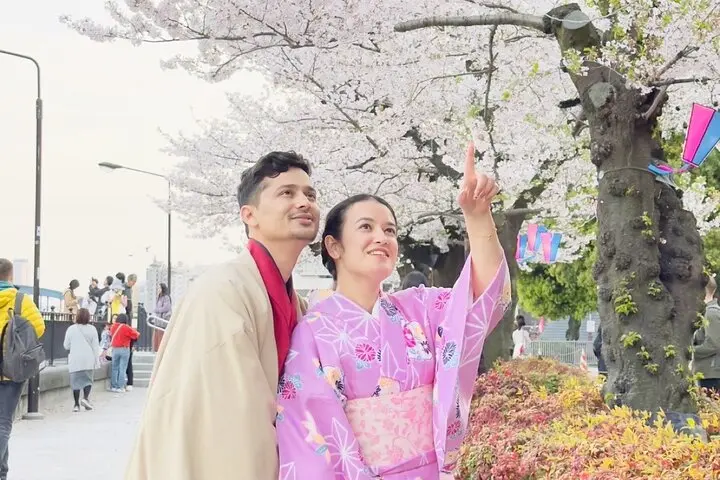

A narrow lantern-lit lane opens and the city’s stone gutters whisper as a family steps out of WARGO in matching yukata. The clack of zori sandals on cobbles, the soft tug of an obi being tightened—these are the small gestures that change a Kyoto afternoon into a memory.
A narrow lantern-lit lane opens and the city’s stone gutters whisper as a family steps out of WARGO in matching yukata. The clack of zori sandals on cobbles, the soft tug of an obi being tightened—these are the small gestures that change a Kyoto afternoon into a memory.
Gion began as a temple district tied to Yasaka Shrine and grew into the city’s famed geisha quarter in the Edo period; wearing a kimono here is both a cultural gesture and a way to read the neighborhood’s history as you walk. The fabrics tell social cues—pattern, sleeve length, obi style—and WARGO’s family-focused rental plans include basics like undergarments, tabi socks, zori sandals and optional hairstyling so guests can move from dressing to strolling in roughly an hour.
Expect compact streets, wooden machiya facades, and several small temples like Kennin-ji tucked between tea houses. Dressing times vary; standard rentals run 1–7 hours with same-day returns before 5:30 PM or a next-day option to see Gion at night.
Practical guidance: book ahead to secure sizes (plus-size options available), bring a small daypack for valuables, and plan routes with short walking loops—zori are not built for long hikes. Respect private residences and avoid flash photography of performers. Hydrate—Kyoto summers are humid—and layer in spring and fall where mornings can be cool.
For families, the experience is low-impact but richly sensory: fabric against skin, the measured rhythm of traditional footwear, and the city’s wooden bones framing a living piece of Japan’s cultural history.