THE ADVENTURE COLLECTIVE® · Independent discovery and booking for outdoor travel

Step off Kyoto’s main thoroughfares for a four-hour walk through sacred groves, a thousand-statue hall, and a quiet Zen garden. This guided tour focuses on lesser-known cultural sites and practical context about Shinto and Zen traditions.
Step off Kyoto’s main thoroughfares for a four-hour walk through sacred groves, a thousand-statue hall, and a quiet Zen garden. This guided tour focuses on lesser-known cultural sites and practical context about Shinto and Zen traditions.
The path opens under cedar boughs and the city’s clamor slips away—your guide leads you through a moss-dark forest toward torii that mark the boundary between ordinary streets and sacred ground.
Verified experiences and guided adventures in the surrounding area.
Operated by Mandala Japan Experience · Kyoto, Kyoto Prefecture
The path opens under cedar boughs and the city’s clamor slips away—your guide leads you through a moss-dark forest toward torii that mark the boundary between ordinary streets and sacred ground.
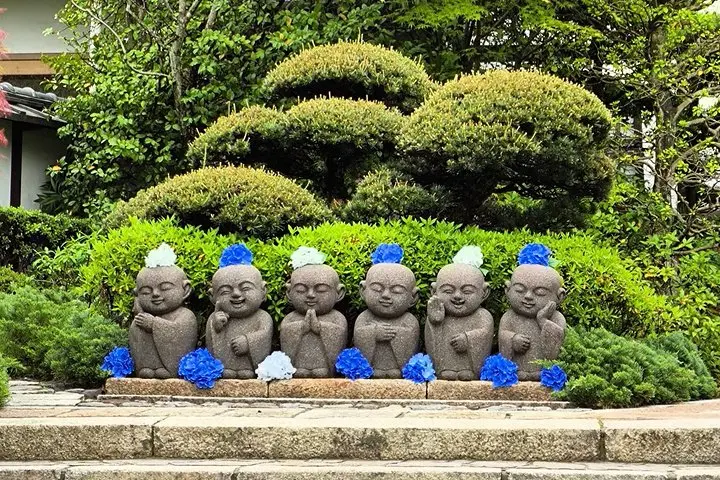
This four-hour walk visits Kyoto's quieter spiritual corners: the ancient Shimogamo Shrine and its protected grove, a hall lined with a thousand Kannon statues, and a nearby Zen temple where stone gardens and weathered wooden eaves demand slow attention. These sites trace Kyoto’s religious layering—Shinto forest shrines that predate the city’s grid and Rinzai Zen complexes that shaped aesthetic practice in medieval Japan.
Geologically, Kyoto sits on a flat basin ringed by low mountains; the shrine groves are pockets of older forest that survived urban growth and now buffer delicate shrine soil and moss gardens. Culturally, expect ritual purity at Shinto shrines, silent bowing at temple thresholds, and interpretive stops explaining how Buddhism and Shinto coexisted to shape etiquette and architecture.
Practical guidance: bring sturdy shoes for gravel paths and temple steps, and plan for modest dress—shoulders and knees covered at most sacred sites. Photography rules vary; follow your guide. Start mid-morning to catch soft light through the canopy and avoid peak crowds. Stay hydrated and carry cash for small temple offerings or teahouse purchases.
By the end of the loop you’ll have traded Kyoto’s postcard scenes for the quieter rhythms that locals still move through: incense, water basins, stone lanterns leaning into moss, and a calm that asks only that you walk quietly with it.
Expect 3–5 miles total over four hours, with frequent short stops; terrain includes gravel paths, paved streets, and temple steps.
The tour typically includes guided access and commentary; specific temple admission fees may not be included—confirm at booking.
Moderate mobility is required; older adults and children who can manage steps and short hikes will generally do fine, but notify the operator of special needs.
The operator provides an experienced local guide with good English proficiency, as noted in the tour inclusions.
Mandala Japan Experience operates guided outdoor trips and adventures with an emphasis on safety, stewardship, and memorable experiences.
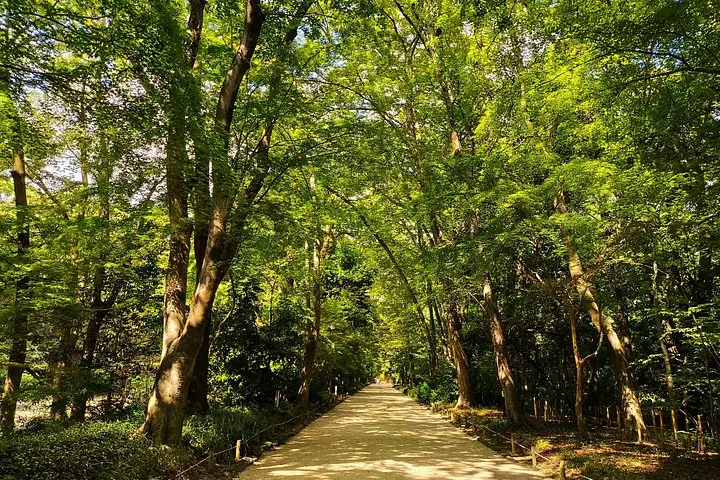
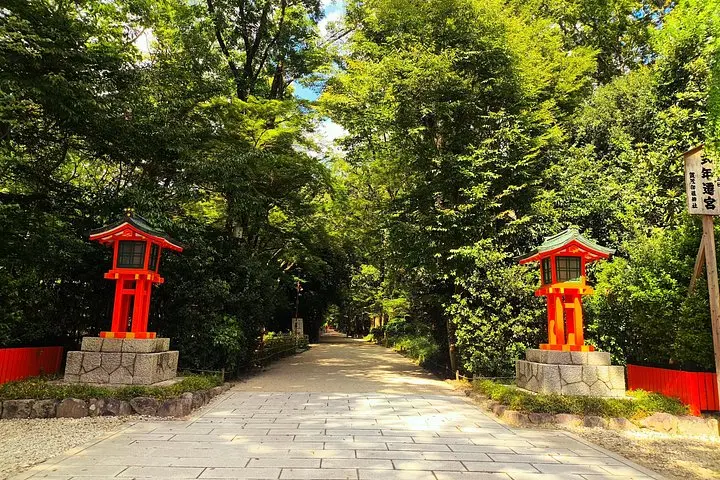
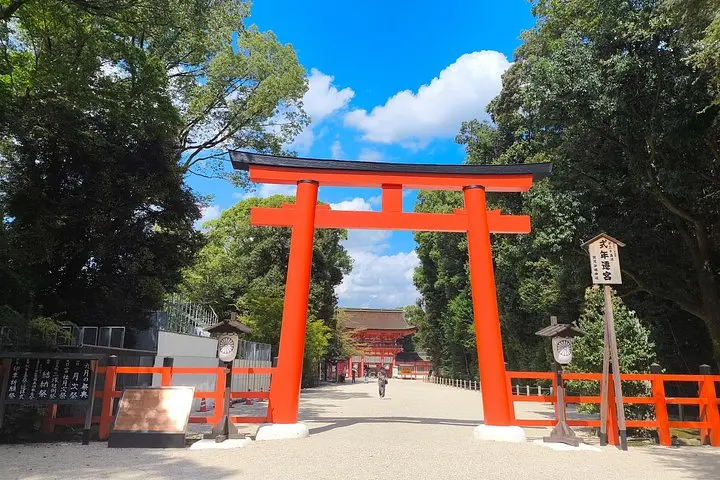
The path opens under cedar boughs and the city’s clamor slips away—your guide leads you through a moss-dark forest toward torii that mark the boundary between ordinary streets and sacred ground.
The path opens under cedar boughs and the city’s clamor slips away—your guide leads you through a moss-dark forest toward torii that mark the boundary between ordinary streets and sacred ground.
This four-hour walk visits Kyoto's quieter spiritual corners: the ancient Shimogamo Shrine and its protected grove, a hall lined with a thousand Kannon statues, and a nearby Zen temple where stone gardens and weathered wooden eaves demand slow attention. These sites trace Kyoto’s religious layering—Shinto forest shrines that predate the city’s grid and Rinzai Zen complexes that shaped aesthetic practice in medieval Japan.
Geologically, Kyoto sits on a flat basin ringed by low mountains; the shrine groves are pockets of older forest that survived urban growth and now buffer delicate shrine soil and moss gardens. Culturally, expect ritual purity at Shinto shrines, silent bowing at temple thresholds, and interpretive stops explaining how Buddhism and Shinto coexisted to shape etiquette and architecture.
Practical guidance: bring sturdy shoes for gravel paths and temple steps, and plan for modest dress—shoulders and knees covered at most sacred sites. Photography rules vary; follow your guide. Start mid-morning to catch soft light through the canopy and avoid peak crowds. Stay hydrated and carry cash for small temple offerings or teahouse purchases.
By the end of the loop you’ll have traded Kyoto’s postcard scenes for the quieter rhythms that locals still move through: incense, water basins, stone lanterns leaning into moss, and a calm that asks only that you walk quietly with it.