THE ADVENTURE COLLECTIVE® · Independent discovery and booking for outdoor travel

Walk Kyoto with a local guide and move beyond postcards to the alleys, markets, and shrine paths that define the city. This full-day, small-group tour balances iconic sights with off-the-beaten-track stops and practical local tips.
Walk Kyoto with a local guide and move beyond postcards to the alleys, markets, and shrine paths that define the city. This full-day, small-group tour balances iconic sights with off-the-beaten-track stops and practical local tips.
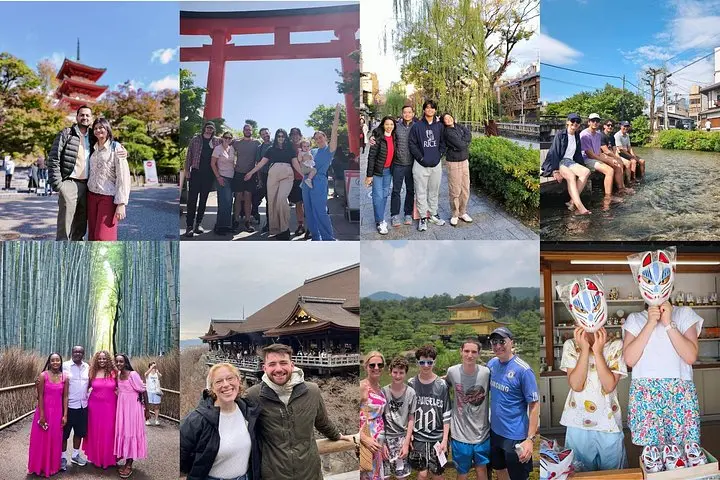
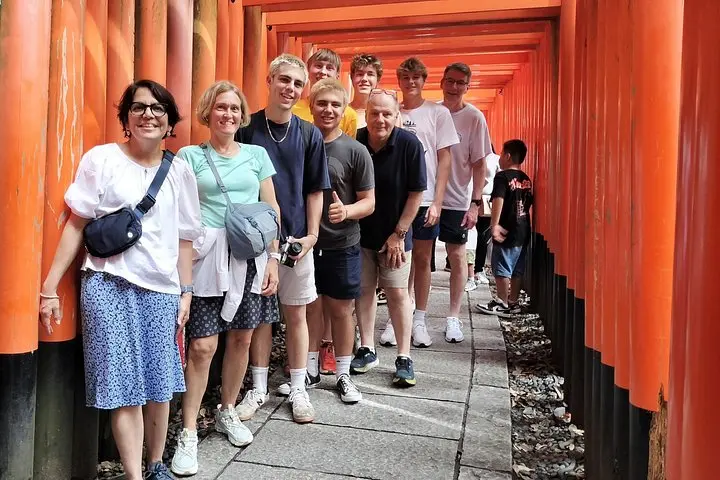
You meet under the neon clock at Kyoto Station, Mister Donut on the second floor, and step out into a city that wears its history on the pavement. Narrow lanes hum with vendors, the Kamo River dares you to slow down, and vermilion gates at Fushimi Inari pull the eye like beads on a prayer string. The tour stitches together busy markets, quiet shrines and atmospheric machiya — each stop revealing a different face of Kyoto.
Verified experiences and guided adventures in the surrounding area.
Operated by EMperience · Kyoto, Kyoto Prefecture
You meet under the neon clock at Kyoto Station, Mister Donut on the second floor, and step out into a city that wears its history on the pavement. Narrow lanes hum with vendors, the Kamo River dares you to slow down, and vermilion gates at Fushimi Inari pull the eye like beads on a prayer string. The tour stitches together busy markets, quiet shrines and atmospheric machiya — each stop revealing a different face of Kyoto.
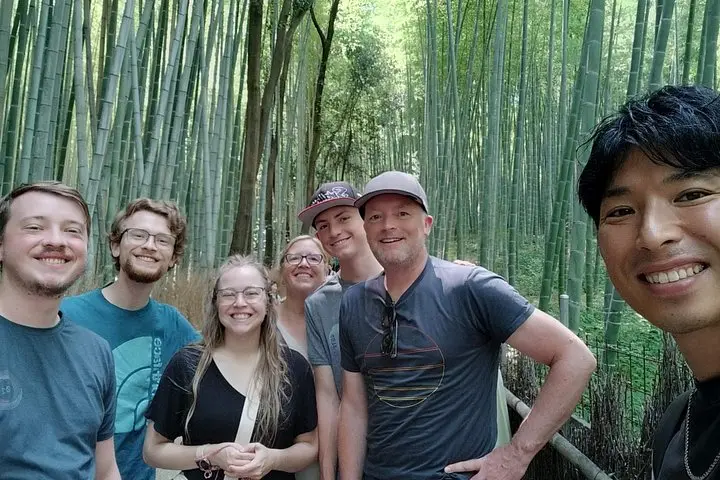
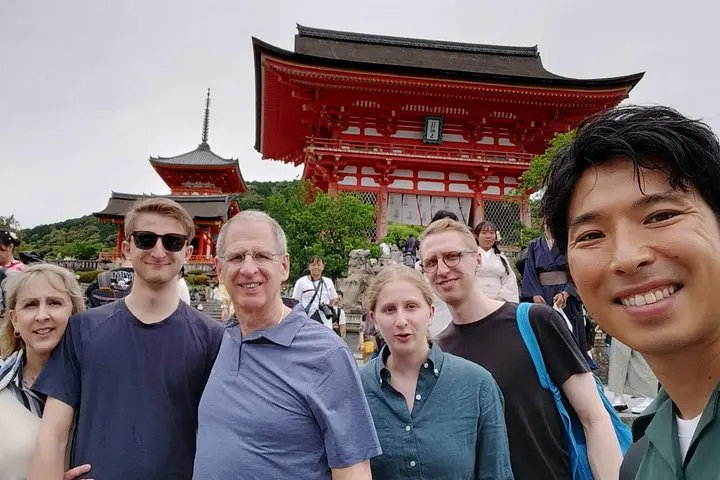
Kyoto was Japan’s imperial capital for more than a millennium; its temples and streets still carry that governance of time. Fushimi Inari’s Senbon Torii are both devotional language and landscape engineering, while Kiyomizu-dera’s wooden stage—built without nails—perches over maples that frame the city through the seasons. Arashiyama’s bamboo grove breathes cool air into summer afternoons and Togetsukyo Bridge has guided river traffic for centuries.
Guides trained by Kiyoto combine local food lore with practical navigation: a tasting at Nishiki Market, a photo stop at Ninenzaka, then a quieter alley where a century-old machiya hosts a Starbucks on tatami. Expect easy walking, many short uphill sections around Kiyomizu, and repeated opportunities for shoes-off pauses at shrines.
Practical tips: book morning slots to avoid crowds, carry cash for small shops, and dress in layers for sudden weather changes. Comfortable walking shoes, a lightweight rain layer, a refillable water bottle and a charged phone will keep the day moving smoothly. Whether it’s your first time or your fifth, this guided loop balances landmark moments and lesser-known corners for a full-day immersion into Kyoto’s living history.
The meeting and end point is Mister Donut on the 2nd floor of Kyoto Station; your guide will hold a name sign.
The itinerary is rated easy and suitable for all fitness levels, though some short slopes and steps may be challenging for mobility-limited guests.
Admissions noted as 'not applicable' for most stops; food and purchases at markets are not included—bring cash for tastings.
Group size is capped at 15 travelers for the shared tour, balancing intimacy with local expertise.
EMperience operates guided outdoor trips and adventures with an emphasis on safety, stewardship, and memorable experiences.
You meet under the neon clock at Kyoto Station, Mister Donut on the second floor, and step out into a city that wears its history on the pavement. Narrow lanes hum with vendors, the Kamo River dares you to slow down, and vermilion gates at Fushimi Inari pull the eye like beads on a prayer string. The tour stitches together busy markets, quiet shrines and atmospheric machiya — each stop revealing a different face of Kyoto.
You meet under the neon clock at Kyoto Station, Mister Donut on the second floor, and step out into a city that wears its history on the pavement. Narrow lanes hum with vendors, the Kamo River dares you to slow down, and vermilion gates at Fushimi Inari pull the eye like beads on a prayer string. The tour stitches together busy markets, quiet shrines and atmospheric machiya — each stop revealing a different face of Kyoto.
Kyoto was Japan’s imperial capital for more than a millennium; its temples and streets still carry that governance of time. Fushimi Inari’s Senbon Torii are both devotional language and landscape engineering, while Kiyomizu-dera’s wooden stage—built without nails—perches over maples that frame the city through the seasons. Arashiyama’s bamboo grove breathes cool air into summer afternoons and Togetsukyo Bridge has guided river traffic for centuries.
Guides trained by Kiyoto combine local food lore with practical navigation: a tasting at Nishiki Market, a photo stop at Ninenzaka, then a quieter alley where a century-old machiya hosts a Starbucks on tatami. Expect easy walking, many short uphill sections around Kiyomizu, and repeated opportunities for shoes-off pauses at shrines.
Practical tips: book morning slots to avoid crowds, carry cash for small shops, and dress in layers for sudden weather changes. Comfortable walking shoes, a lightweight rain layer, a refillable water bottle and a charged phone will keep the day moving smoothly. Whether it’s your first time or your fifth, this guided loop balances landmark moments and lesser-known corners for a full-day immersion into Kyoto’s living history.