THE ADVENTURE COLLECTIVE® · Independent discovery and booking for outdoor travel

Customize a six-hour, private walking itinerary that takes you to Kyoto’s most photographable spots—from bamboo groves to torii gates—led by a nationally licensed English-speaking guide. Choose 3–4 stops and get context, timing tips, and local etiquette to make the most of every frame.
Customize a six-hour, private walking itinerary that takes you to Kyoto’s most photographable spots—from bamboo groves to torii gates—led by a nationally licensed English-speaking guide. Choose 3–4 stops and get context, timing tips, and local etiquette to make the most of every frame.
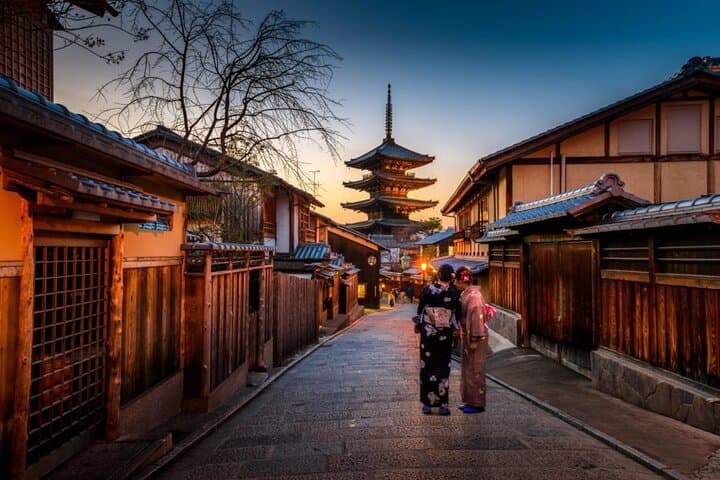
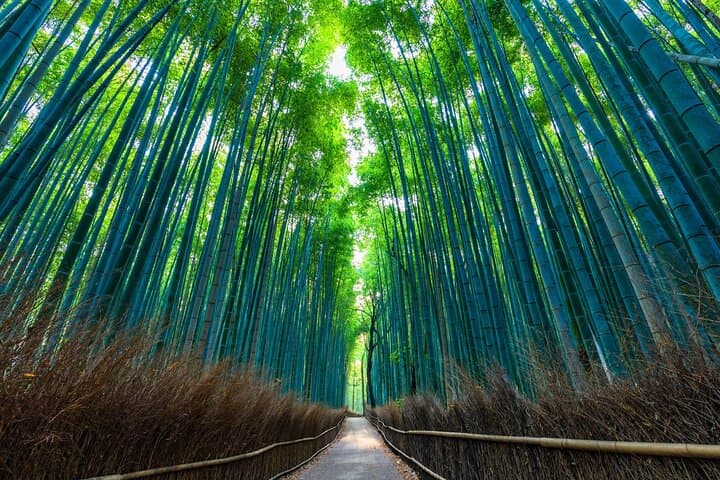
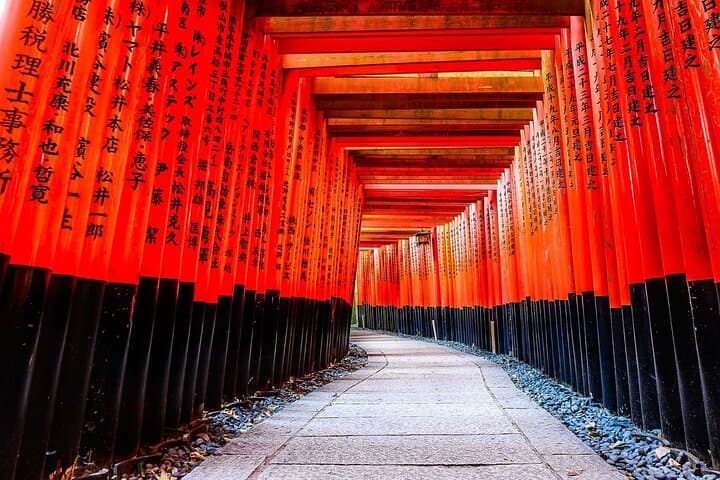
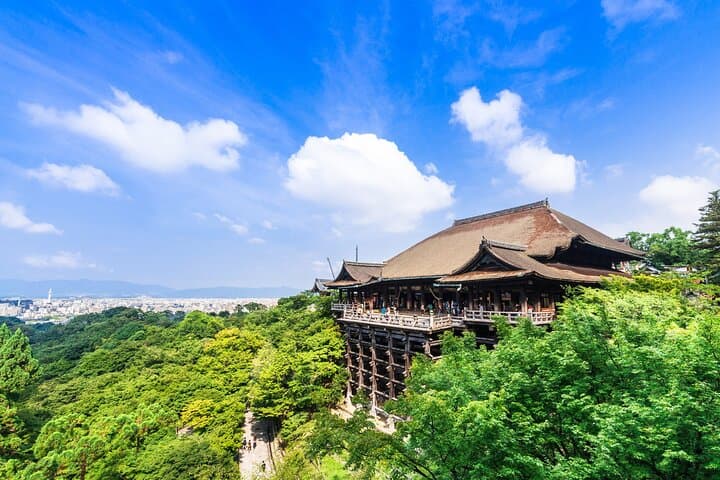
You step off a quiet side street and the city rearranges itself around the lens: vermilion torii carving a tunnel of color, bamboo trunks standing like columns that hum with wind, and a wooden terrace that opens onto a sea of tiled roofs. This six-hour private tour threads Kyoto’s most photographable quarters—Arashiyama, Higashiyama, Gion, and Fushimi Inari—on a route you design with a nationally licensed guide.
Verified experiences and guided adventures in the surrounding area.
Operated by Japan Guide Agency · Kyoto, Kyoto Prefecture
You step off a quiet side street and the city rearranges itself around the lens: vermilion torii carving a tunnel of color, bamboo trunks standing like columns that hum with wind, and a wooden terrace that opens onto a sea of tiled roofs. This six-hour private tour threads Kyoto’s most photographable quarters—Arashiyama, Higashiyama, Gion, and Fushimi Inari—on a route you design with a nationally licensed guide.
Kyoto was Japan’s imperial capital for more than a thousand years; its streets are layered with late-Heian temples, Edo-period merchant houses, and the modern bustle that grew around them. The region sits on older volcanic deposits and river terraces, so terraces, bridges, and stonework frequently meet manicured gardens and narrow alleys. Cultural cues—temple etiquette, seasonal festivals, and the sight of maiko moving between appointments—shape how you experience each stop.
Expect a walking pace, frequent photo pauses, and guided context that turns a pretty picture into a meaningful moment. Practically: pick 3–4 sites from the provided list, confirm start point, and plan to move between neighborhoods by foot and short public-transit hops. Bring a charged phone or camera, modest clothing for shrine visits, and time your visit early for empty bamboo paths or late afternoon for golden light on Togetsukyo Bridge.
The guide handles route logistics and local insight; your role is to arrive curious, ready to frame details, and respectful of places that still function as living religious and community sites.
You choose 3–4 sites from the provided list; travel time and walking pace determine the final route, and the guide will optimize to match your priorities.
Admission fees to paid temples or special exhibits are not included—your itinerary will note where extra tickets are required.
The tour lists wheelchair accessibility, but some historic sites have stairs or uneven approaches; discuss mobility needs when booking so the guide can plan an accessible route.
The guide is a National Government Licensed Guide Interpreter who provides English-language guiding with cultural and historical context.
Japan Guide Agency operates guided outdoor trips and adventures with an emphasis on safety, stewardship, and memorable experiences.
You step off a quiet side street and the city rearranges itself around the lens: vermilion torii carving a tunnel of color, bamboo trunks standing like columns that hum with wind, and a wooden terrace that opens onto a sea of tiled roofs. This six-hour private tour threads Kyoto’s most photographable quarters—Arashiyama, Higashiyama, Gion, and Fushimi Inari—on a route you design with a nationally licensed guide.
You step off a quiet side street and the city rearranges itself around the lens: vermilion torii carving a tunnel of color, bamboo trunks standing like columns that hum with wind, and a wooden terrace that opens onto a sea of tiled roofs. This six-hour private tour threads Kyoto’s most photographable quarters—Arashiyama, Higashiyama, Gion, and Fushimi Inari—on a route you design with a nationally licensed guide.
Kyoto was Japan’s imperial capital for more than a thousand years; its streets are layered with late-Heian temples, Edo-period merchant houses, and the modern bustle that grew around them. The region sits on older volcanic deposits and river terraces, so terraces, bridges, and stonework frequently meet manicured gardens and narrow alleys. Cultural cues—temple etiquette, seasonal festivals, and the sight of maiko moving between appointments—shape how you experience each stop.
Expect a walking pace, frequent photo pauses, and guided context that turns a pretty picture into a meaningful moment. Practically: pick 3–4 sites from the provided list, confirm start point, and plan to move between neighborhoods by foot and short public-transit hops. Bring a charged phone or camera, modest clothing for shrine visits, and time your visit early for empty bamboo paths or late afternoon for golden light on Togetsukyo Bridge.
The guide handles route logistics and local insight; your role is to arrive curious, ready to frame details, and respectful of places that still function as living religious and community sites.