THE ADVENTURE COLLECTIVE® · Independent discovery and booking for outdoor travel

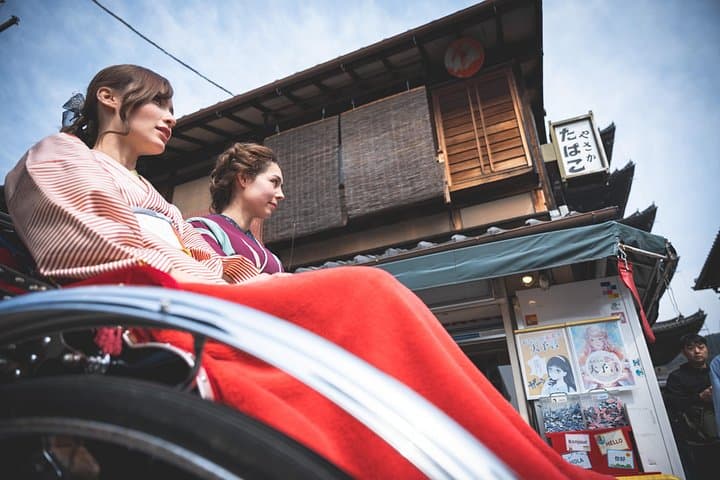
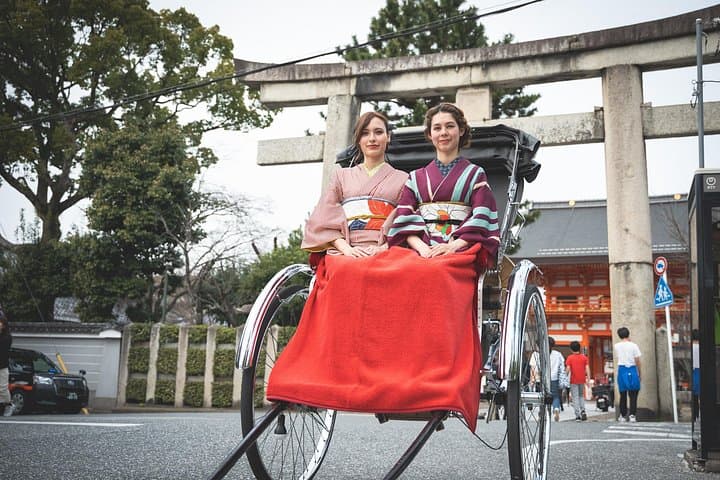
Dress in kimono, ride a rickshaw and glide through Gion and Higashiyama with private cab transfers. This four-hour plan bundles styling, transport and a chauffeured route through Kyoto’s historic streets.
Dress in kimono, ride a rickshaw and glide through Gion and Higashiyama with private cab transfers. This four-hour plan bundles styling, transport and a chauffeured route through Kyoto’s historic streets.
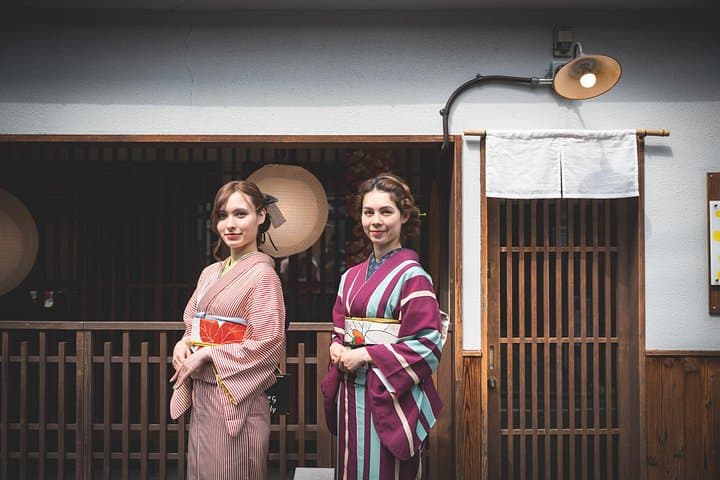
You step out of a quiet taxi into a lane of stone and paper lanterns, the weight of a silk kimono settling like a promise. A stylist has pinned your hair; sandals click on uneven paving as a rickshaw’s wooden wheels whisper down a narrow street. The city opens in short scenes — wooden machiya, mossy steps, a shopfront selling tea.
Verified experiences and guided adventures in the surrounding area.
Operated by Kyoto Kimono rental Hoippo · Kyoto, Kyoto Prefecture
You step out of a quiet taxi into a lane of stone and paper lanterns, the weight of a silk kimono settling like a promise. A stylist has pinned your hair; sandals click on uneven paving as a rickshaw’s wooden wheels whisper down a narrow street. The city opens in short scenes — wooden machiya, mossy steps, a shopfront selling tea.
Kyoto was Japan’s imperial capital for over a thousand years, and its streets preserve layers of that past: narrow Edo‑period alleys, Heian-era temple precincts, and the later commercialization that shaped Gion’s teahouses. Geologically the city sits in a basin ringed by low hills, which channels weather and frames the city’s seasonal light — bright in winter, lush in summer.
Wearing a kimono is both practical theatre and cultural practice: the garment’s cuts and ties reflect social cues and historical craft. The rickshaw, an imported 19th‑century transport, offers slow-motion views very different from a hurried taxi ride. Expect polite crowds around major shrines and quieter side streets where craftsmen still work wooden joinery and ceramics.
Practical guidance: the full experience runs about four hours and includes hotel pickup, kimono dressing and a guided loop by cab and rickshaw. Bring a small layer for cooler evenings, wear thin socks for easier sandal fit, and carry cash for small purchases. Respect shrine etiquette and give yourself time between photo stops — the kimono changes how you move, and moving slowly is part of the point.
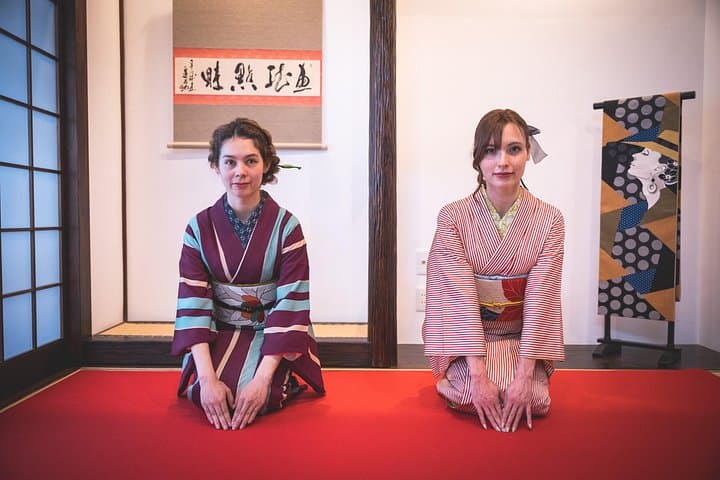
No — professional stylists handle dressing and hair, and the rental includes accessories; you only need to follow simple movement guidance.
Traditional sandals (zori) are provided with the kimono; bring thin socks or foot protection if you prefer extra cushioning.
Children can participate depending on size and availability of child kimono; infants must sit on an adult's lap during transport per provider policy.
The tour’s cancellation policy allows refunds up to 24 hours before departure; confirm weather-related options with the operator on booking day.
Kyoto Kimono rental Hoippo operates guided outdoor trips and adventures with an emphasis on safety, stewardship, and memorable experiences.
You step out of a quiet taxi into a lane of stone and paper lanterns, the weight of a silk kimono settling like a promise. A stylist has pinned your hair; sandals click on uneven paving as a rickshaw’s wooden wheels whisper down a narrow street. The city opens in short scenes — wooden machiya, mossy steps, a shopfront selling tea.
You step out of a quiet taxi into a lane of stone and paper lanterns, the weight of a silk kimono settling like a promise. A stylist has pinned your hair; sandals click on uneven paving as a rickshaw’s wooden wheels whisper down a narrow street. The city opens in short scenes — wooden machiya, mossy steps, a shopfront selling tea.
Kyoto was Japan’s imperial capital for over a thousand years, and its streets preserve layers of that past: narrow Edo‑period alleys, Heian-era temple precincts, and the later commercialization that shaped Gion’s teahouses. Geologically the city sits in a basin ringed by low hills, which channels weather and frames the city’s seasonal light — bright in winter, lush in summer.
Wearing a kimono is both practical theatre and cultural practice: the garment’s cuts and ties reflect social cues and historical craft. The rickshaw, an imported 19th‑century transport, offers slow-motion views very different from a hurried taxi ride. Expect polite crowds around major shrines and quieter side streets where craftsmen still work wooden joinery and ceramics.
Practical guidance: the full experience runs about four hours and includes hotel pickup, kimono dressing and a guided loop by cab and rickshaw. Bring a small layer for cooler evenings, wear thin socks for easier sandal fit, and carry cash for small purchases. Respect shrine etiquette and give yourself time between photo stops — the kimono changes how you move, and moving slowly is part of the point.