THE ADVENTURE COLLECTIVE® · Independent discovery and booking for outdoor travel

Dress in authentic kimono with staff assistance and take a self-guided three-hour stroll through Kyoto’s historic streets. This rental balances cultural immersion, practical tips, and timing advice so you can plan photos, transport, and respectful movement through temples and lanes.
Dress in authentic kimono with staff assistance and take a self-guided three-hour stroll through Kyoto’s historic streets. This rental balances cultural immersion, practical tips, and timing advice so you can plan photos, transport, and respectful movement through temples and lanes.
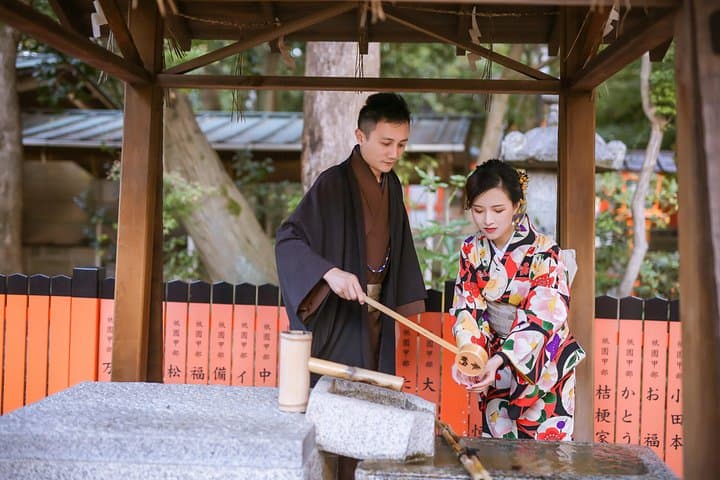
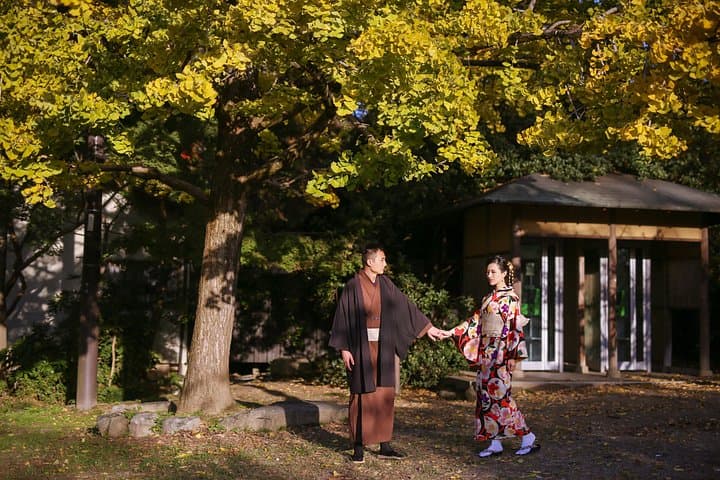
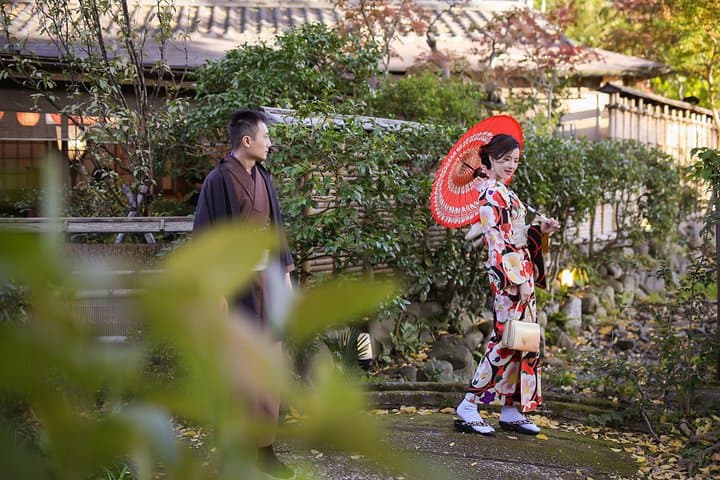
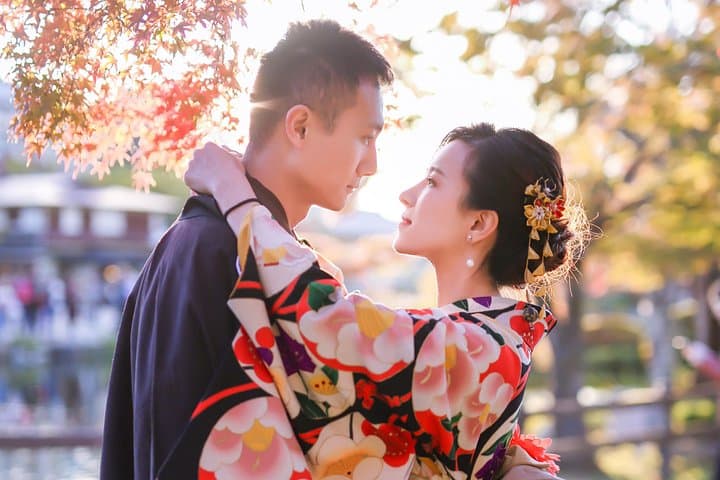
Stepping out of a narrow Kyoto alley in a freshly tied kimono, the city shifts scale: stone gutters hum faintly, maple branches lean in to frame a courtyard, and the wooden machiya houses watch as you pass. This three-hour rental experience places the visitor in Kyoto’s living history—staff on hand to dress you in authentic robes, obi, and tabi so you move and photograph like a local while exploring nearby scenic neighborhoods on your own.
Verified experiences and guided adventures in the surrounding area.
Operated by hywtrip trip · Kyoto, Kyoto Prefecture
Stepping out of a narrow Kyoto alley in a freshly tied kimono, the city shifts scale: stone gutters hum faintly, maple branches lean in to frame a courtyard, and the wooden machiya houses watch as you pass. This three-hour rental experience places the visitor in Kyoto’s living history—staff on hand to dress you in authentic robes, obi, and tabi so you move and photograph like a local while exploring nearby scenic neighborhoods on your own.
Kyoto was Japan’s imperial capital for over a millennium and remains the country’s cultural reference point for kimono styles, dye techniques, and seasonal dress codes. The garment itself traces craft lineages back centuries: textiles, weave choices and patterns often hint at season, status, or occasion. Wandering in kimono routes you through wooden lanes, shrine approaches, and canal-side streets where koi and wading birds mark the city’s quieter corners.
Practical guidance: bookings are instant and require a mobile ticket; plan for a three-hour window (store return before 18:00). The fit is managed by staff, but mobility is reduced—avoid steep slopes and long hikes. Public transport is nearby for access and luggage storage; bring minimal belongings as kimono and obi limit large bags. Not recommended for pregnant travelers or those with spinal problems.
For the best photos, schedule during golden hour or on overcast days to reduce harsh shadows. Respect temple etiquette—keep voices low, remove shoes where required, and follow staff instructions for movements that protect the fabric. A kimono rental is both a costume and a cultural conversation: wear it with curiosity, care, and a willingness to move more slowly through Kyoto’s streets.
The listed duration is three hours from dressing to return; the store requires you return by the specified closing time, often 18:00.
Yes—self-guided visits and photos are encouraged, but follow temple rules, avoid blocking aisles, and remove footwear where required.
Staff will size and adjust kimono on-site to fit most body types, but disclose any mobility issues or special requirements when booking.
Full refunds are available if you cancel at least 24 hours before the scheduled time; same-day cancellations are not refundable.
hywtrip trip operates guided outdoor trips and adventures with an emphasis on safety, stewardship, and memorable experiences.
Stepping out of a narrow Kyoto alley in a freshly tied kimono, the city shifts scale: stone gutters hum faintly, maple branches lean in to frame a courtyard, and the wooden machiya houses watch as you pass. This three-hour rental experience places the visitor in Kyoto’s living history—staff on hand to dress you in authentic robes, obi, and tabi so you move and photograph like a local while exploring nearby scenic neighborhoods on your own.
Stepping out of a narrow Kyoto alley in a freshly tied kimono, the city shifts scale: stone gutters hum faintly, maple branches lean in to frame a courtyard, and the wooden machiya houses watch as you pass. This three-hour rental experience places the visitor in Kyoto’s living history—staff on hand to dress you in authentic robes, obi, and tabi so you move and photograph like a local while exploring nearby scenic neighborhoods on your own.
Kyoto was Japan’s imperial capital for over a millennium and remains the country’s cultural reference point for kimono styles, dye techniques, and seasonal dress codes. The garment itself traces craft lineages back centuries: textiles, weave choices and patterns often hint at season, status, or occasion. Wandering in kimono routes you through wooden lanes, shrine approaches, and canal-side streets where koi and wading birds mark the city’s quieter corners.
Practical guidance: bookings are instant and require a mobile ticket; plan for a three-hour window (store return before 18:00). The fit is managed by staff, but mobility is reduced—avoid steep slopes and long hikes. Public transport is nearby for access and luggage storage; bring minimal belongings as kimono and obi limit large bags. Not recommended for pregnant travelers or those with spinal problems.
For the best photos, schedule during golden hour or on overcast days to reduce harsh shadows. Respect temple etiquette—keep voices low, remove shoes where required, and follow staff instructions for movements that protect the fabric. A kimono rental is both a costume and a cultural conversation: wear it with curiosity, care, and a willingness to move more slowly through Kyoto’s streets.