THE ADVENTURE COLLECTIVE® · Independent discovery and booking for outdoor travel

Step into a kimono and onto Kyoto’s historic streets for a hands-on cultural portrait session. This rental packages dressing assistance, accessories and guided photo timing so you can focus on the moment.
Step into a kimono and onto Kyoto’s historic streets for a hands-on cultural portrait session. This rental packages dressing assistance, accessories and guided photo timing so you can focus on the moment.
Morning light slices down a quiet Kyoto lane as a visitor straightens the obi and steps into wooden geta; the city’s tiled roofs and the Kamo River form a steady backdrop while pedaled rickshaws and the scent of grilled yuba move through the air. This kimono rental experience places you in that scene—traditional garments, an attendant to dress you, and time to photograph streets around Gion and nearby shrines.
Verified experiences and guided adventures in the surrounding area.
Operated by oukakimono · Kyoto, Kyoto Prefecture
Morning light slices down a quiet Kyoto lane as a visitor straightens the obi and steps into wooden geta; the city’s tiled roofs and the Kamo River form a steady backdrop while pedaled rickshaws and the scent of grilled yuba move through the air. This kimono rental experience places you in that scene—traditional garments, an attendant to dress you, and time to photograph streets around Gion and nearby shrines.
Kyoto was Japan’s imperial capital for over a thousand years, and the kimono evolved here as both daily wear and ceremonial dress. The basin of Kyoto, ringed by low mountains, channels cool air along river corridors—a geographic detail that shapes how and when people dressed historically. The workshop introduces basic cultural etiquette: how to fold sleeves, how the obi sits, and why left-over-right is reserved for the living.
Practical details are straightforward: a range of kimonos, shoes, belts and bags are provided, with multilingual support. Expect assistance with dressing, light touch-ups for photos outside, and a required return by late afternoon (the studio asks garments back before five). Reserve time for slow walking—narrow streets and stone steps mean modest footwear is still a good idea. Hydrate, keep valuables secure in a provided bag, and be mindful of temple etiquette and local residents when photographing.
For those seeking a photogenic, culturally anchored half- or full-day in Kyoto, the kimono rental is a low-effort, high-reward way to inhabit the city’s history and streetscapes with respect and comfort.
The tour lists a fixed duration (1,980 minutes) and asks that garments be returned by the studio’s stated deadline—confirm the exact return time at booking.
Most rental studios offer a range of kimono sizes and styles for different genders; provide height and measurements when booking to ensure fit.
Yes—outside photography is encouraged in public streets and near temples, but always observe signage and local rules at religious sites.
This activity is listed as all sales final with no refunds; verify details and travel insurance options before booking.
oukakimono operates guided outdoor trips and adventures with an emphasis on safety, stewardship, and memorable experiences.

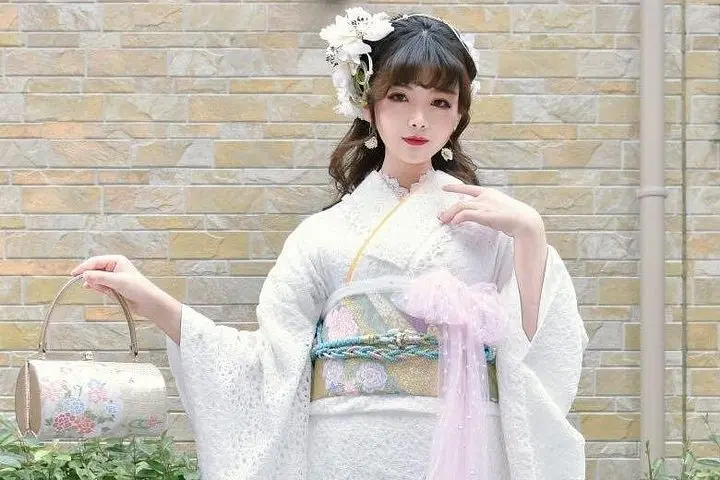
Morning light slices down a quiet Kyoto lane as a visitor straightens the obi and steps into wooden geta; the city’s tiled roofs and the Kamo River form a steady backdrop while pedaled rickshaws and the scent of grilled yuba move through the air. This kimono rental experience places you in that scene—traditional garments, an attendant to dress you, and time to photograph streets around Gion and nearby shrines.
Morning light slices down a quiet Kyoto lane as a visitor straightens the obi and steps into wooden geta; the city’s tiled roofs and the Kamo River form a steady backdrop while pedaled rickshaws and the scent of grilled yuba move through the air. This kimono rental experience places you in that scene—traditional garments, an attendant to dress you, and time to photograph streets around Gion and nearby shrines.
Kyoto was Japan’s imperial capital for over a thousand years, and the kimono evolved here as both daily wear and ceremonial dress. The basin of Kyoto, ringed by low mountains, channels cool air along river corridors—a geographic detail that shapes how and when people dressed historically. The workshop introduces basic cultural etiquette: how to fold sleeves, how the obi sits, and why left-over-right is reserved for the living.
Practical details are straightforward: a range of kimonos, shoes, belts and bags are provided, with multilingual support. Expect assistance with dressing, light touch-ups for photos outside, and a required return by late afternoon (the studio asks garments back before five). Reserve time for slow walking—narrow streets and stone steps mean modest footwear is still a good idea. Hydrate, keep valuables secure in a provided bag, and be mindful of temple etiquette and local residents when photographing.
For those seeking a photogenic, culturally anchored half- or full-day in Kyoto, the kimono rental is a low-effort, high-reward way to inhabit the city’s history and streetscapes with respect and comfort.