THE ADVENTURE COLLECTIVE® · Independent discovery and booking for outdoor travel

Beat the crowds with an early-morning guided run through Kyoto’s temples, riverside lanes and hidden neighborhoods. This 2–2.5 hour run/walk mixes gentle jogging with cultural stops led by a local guide.
Beat the crowds with an early-morning guided run through Kyoto’s temples, riverside lanes and hidden neighborhoods. This 2–2.5 hour run/walk mixes gentle jogging with cultural stops led by a local guide.
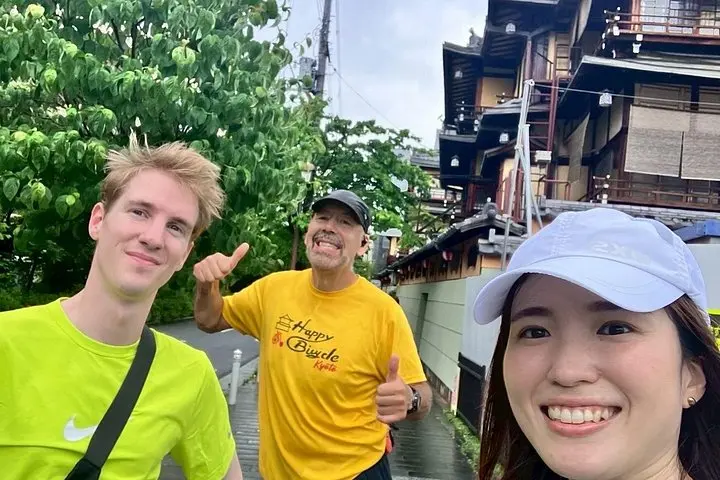
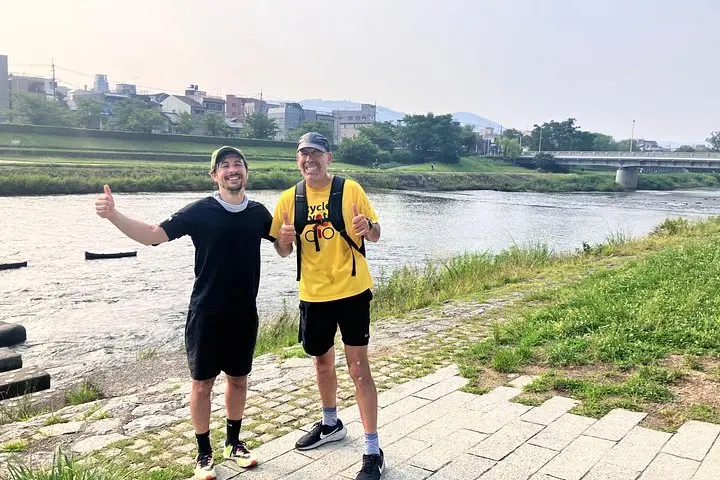
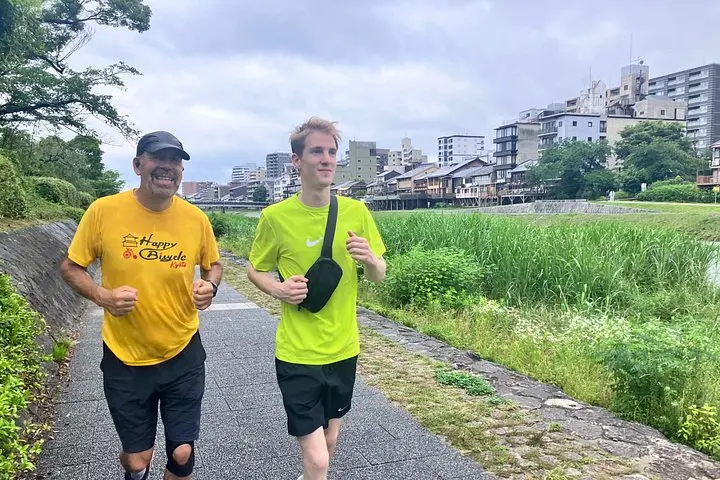
You set out before the city wakes, the air cool and the streets of Kyoto still holding the night’s quiet. Lantern-lit storefronts fade behind you as the guide leads a small group along stone lanes, across river bridges and past temple gates that open onto mossy gardens. The pace is conversational—jogging interspersed with walking stops for explanation—so the run feels like a moving introduction rather than a race.
Verified experiences and guided adventures in the surrounding area.
Operated by Soyo · Kyoto, Kyoto Prefecture
You set out before the city wakes, the air cool and the streets of Kyoto still holding the night’s quiet. Lantern-lit storefronts fade behind you as the guide leads a small group along stone lanes, across river bridges and past temple gates that open onto mossy gardens. The pace is conversational—jogging interspersed with walking stops for explanation—so the run feels like a moving introduction rather than a race.
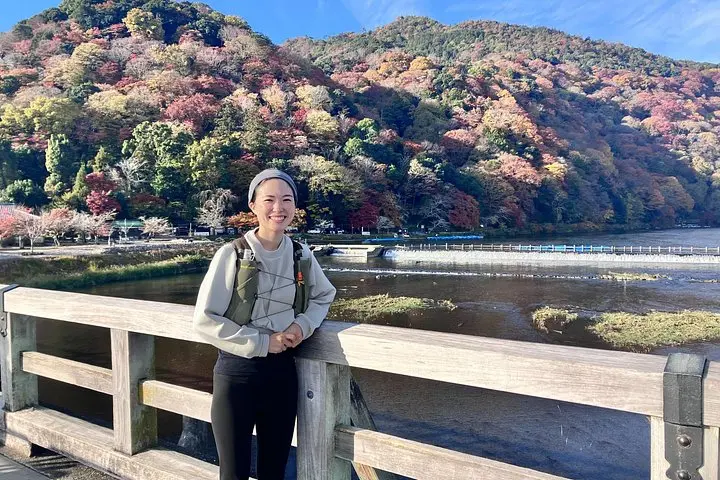
Kyoto was Japan’s imperial capital for more than a millennium, and its neighborhoods are layered with history: Heian-era planning, Edo-period machiya townhouses and Meiji-era changes to the riverfront. Geologically the basin is hemmed by low mountains that shelter microclimates; that translates to pronounced cherry blossoms in spring and vivid maples in fall. Culturally you’ll pass sites where daily worship, local markets and contemporary cafés coexist—this tour aims for lesser-traveled streets where residents live their routines.
Practically, expect 2–2.5 hours at an easy running pace (about 7–8 min/km), with regular stops for photos and context. Surfaces vary—smooth pavement, cobblestone, occasional temple steps—so secure footwear matters. Start early to avoid crowds and heat, carry water, and be ready to switch to walking in light rain. The guide provides local insight—best sakura pockets, quiet shrine corners, and where to grab a post-run matcha—so you leave with both a workout and a clearer map of Kyoto’s quieter rhythms.
The group runs at a relaxed pace (about 7–8 min/km) with regular walking and explanatory stops, suitable for mixed-ability participants.
Yes—beginners who are comfortable jogging short stretches and walking the rest can enjoy the tour; moderate fitness is recommended.
Light rain usually converts the outing to a walking tour; heavy weather (typhoon, heavy rain) can prompt cancellation with notice by noon the day before.
Meeting logistics are provided after booking; central Kyoto locations are reachable by subway or taxi—allow extra time for morning transit.
Soyo operates guided outdoor trips and adventures with an emphasis on safety, stewardship, and memorable experiences.
You set out before the city wakes, the air cool and the streets of Kyoto still holding the night’s quiet. Lantern-lit storefronts fade behind you as the guide leads a small group along stone lanes, across river bridges and past temple gates that open onto mossy gardens. The pace is conversational—jogging interspersed with walking stops for explanation—so the run feels like a moving introduction rather than a race.
You set out before the city wakes, the air cool and the streets of Kyoto still holding the night’s quiet. Lantern-lit storefronts fade behind you as the guide leads a small group along stone lanes, across river bridges and past temple gates that open onto mossy gardens. The pace is conversational—jogging interspersed with walking stops for explanation—so the run feels like a moving introduction rather than a race.
Kyoto was Japan’s imperial capital for more than a millennium, and its neighborhoods are layered with history: Heian-era planning, Edo-period machiya townhouses and Meiji-era changes to the riverfront. Geologically the basin is hemmed by low mountains that shelter microclimates; that translates to pronounced cherry blossoms in spring and vivid maples in fall. Culturally you’ll pass sites where daily worship, local markets and contemporary cafés coexist—this tour aims for lesser-traveled streets where residents live their routines.
Practically, expect 2–2.5 hours at an easy running pace (about 7–8 min/km), with regular stops for photos and context. Surfaces vary—smooth pavement, cobblestone, occasional temple steps—so secure footwear matters. Start early to avoid crowds and heat, carry water, and be ready to switch to walking in light rain. The guide provides local insight—best sakura pockets, quiet shrine corners, and where to grab a post-run matcha—so you leave with both a workout and a clearer map of Kyoto’s quieter rhythms.