THE ADVENTURE COLLECTIVE® · Independent discovery and booking for outdoor travel

See Kyoto’s headline sites in a single private day with an English guide who handles transport and timing. This balanced walking tour mixes top temples, the bamboo grove, and Arashiyama’s bridge with practical pacing for comfort.
See Kyoto’s headline sites in a single private day with an English guide who handles transport and timing. This balanced walking tour mixes top temples, the bamboo grove, and Arashiyama’s bridge with practical pacing for comfort.
The day opens at Kyoto Station as the guide threads a path through morning commuters, ferrying you by taxi and local train into pockets of the old city where history still moves at walking pace.
Verified experiences and guided adventures in the surrounding area.
Operated by TRAVELINFOJAPAN · Kyoto, Kyoto
The day opens at Kyoto Station as the guide threads a path through morning commuters, ferrying you by taxi and local train into pockets of the old city where history still moves at walking pace.
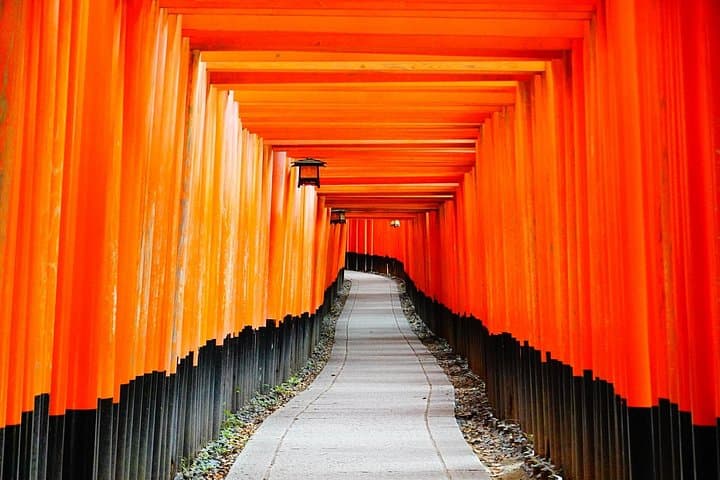
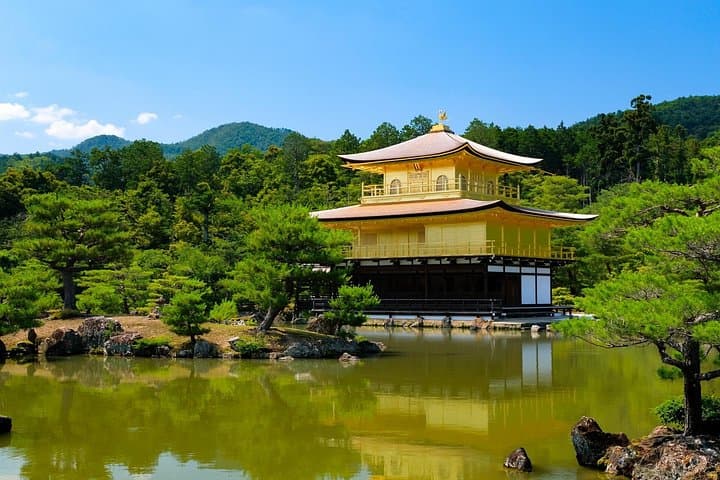
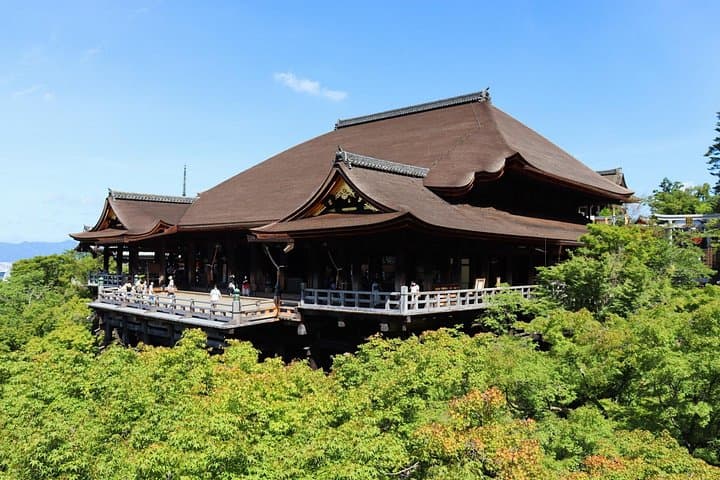
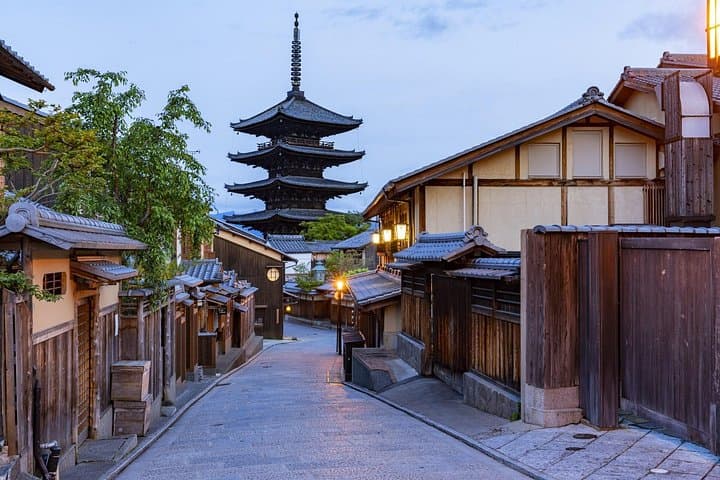
You pass under the vermilion gates of Fushimi Inari, a tunnel of torii that seems to urge you forward, then climb toward Kiyomizu-dera’s wooden stage where the city spreads below like a living map. Old streets—Ninen-zaka and Sannen-zaka—keep their quiet commerce: wooden shopfronts selling pickles, pottery, and pressed sweets. In Arashiyama the bamboo grove leans in, stalks whispering as wind and sunlight negotiate their shadows, while the Golden Pavilion’s gilded faces flash against still water.
Kyoto’s core preserves layers: Heian and medieval capitals, Zen landscaping from the Muromachi era, and Shinto rituals stitched to seasonal cycles. Geology is modest—gentle hills and river terraces that shaped temple siting and garden views. Culture shows in lacquered eaves, temple gardens that frame the mountains, and food recommended by a guide who knows local storefronts.
Practical guidance: this private itinerary covers about 7–8 hours and mixes walking with short taxi or train rides; expect intermittent uphill sections and stone streets. Carry a refillable water bottle, comfortable shoes with good tread, contactless IC card for transit or small bills for temple offerings, and allow time for short lines at signature sites. Start early to beat crowds at Fushimi Inari and Arashiyama; otherwise, the rhythm of the city makes a steady, accessible day of exploration.
Meet in front of the 7-Eleven Heart-In at JR Kyoto Station’s Central Entrance as instructed; tours typically start from this central point.
Infants and small children can use a pram or stroller, but some stone slopes and temple steps may be difficult—consider a carrier for steeper sections.
Admissions are not included in the basic tour price; expect to pay on-site for entry to specific temples.
The tour minimizes walking by using taxis and public transit and can be paced to reduce distances between stops—discuss needs when booking.
TRAVELINFOJAPAN operates guided outdoor trips and adventures with an emphasis on safety, stewardship, and memorable experiences.
The day opens at Kyoto Station as the guide threads a path through morning commuters, ferrying you by taxi and local train into pockets of the old city where history still moves at walking pace.
The day opens at Kyoto Station as the guide threads a path through morning commuters, ferrying you by taxi and local train into pockets of the old city where history still moves at walking pace.
You pass under the vermilion gates of Fushimi Inari, a tunnel of torii that seems to urge you forward, then climb toward Kiyomizu-dera’s wooden stage where the city spreads below like a living map. Old streets—Ninen-zaka and Sannen-zaka—keep their quiet commerce: wooden shopfronts selling pickles, pottery, and pressed sweets. In Arashiyama the bamboo grove leans in, stalks whispering as wind and sunlight negotiate their shadows, while the Golden Pavilion’s gilded faces flash against still water.
Kyoto’s core preserves layers: Heian and medieval capitals, Zen landscaping from the Muromachi era, and Shinto rituals stitched to seasonal cycles. Geology is modest—gentle hills and river terraces that shaped temple siting and garden views. Culture shows in lacquered eaves, temple gardens that frame the mountains, and food recommended by a guide who knows local storefronts.
Practical guidance: this private itinerary covers about 7–8 hours and mixes walking with short taxi or train rides; expect intermittent uphill sections and stone streets. Carry a refillable water bottle, comfortable shoes with good tread, contactless IC card for transit or small bills for temple offerings, and allow time for short lines at signature sites. Start early to beat crowds at Fushimi Inari and Arashiyama; otherwise, the rhythm of the city makes a steady, accessible day of exploration.