THE ADVENTURE COLLECTIVE® · Independent discovery and booking for outdoor travel

Leave the tourist lines behind and explore a quieter Kyoto on a half-day mystery route. Visit a 500-year-old temple, a nearby shrine and the serene Ohara valley with a local English-speaking guide.
Leave the tourist lines behind and explore a quieter Kyoto on a half-day mystery route. Visit a 500-year-old temple, a nearby shrine and the serene Ohara valley with a local English-speaking guide.
You step into a quieter Kyoto before the city’s afternoon bustle arrives: an air-conditioned vehicle eases out of the narrow streets and the guide points the way toward a valley where bamboo and cedar lean like watchful neighbors. The road climbs gently; fields and pickling houses slide past the window. When you disembark, temple roofs and stone lanterns frame the path, and a shallow stream dares you to slow down and listen.
Verified experiences and guided adventures in the surrounding area.
Operated by Amazing Kyoto Experience · Kyoto, Kyoto Prefecture
You step into a quieter Kyoto before the city’s afternoon bustle arrives: an air-conditioned vehicle eases out of the narrow streets and the guide points the way toward a valley where bamboo and cedar lean like watchful neighbors. The road climbs gently; fields and pickling houses slide past the window. When you disembark, temple roofs and stone lanterns frame the path, and a shallow stream dares you to slow down and listen.
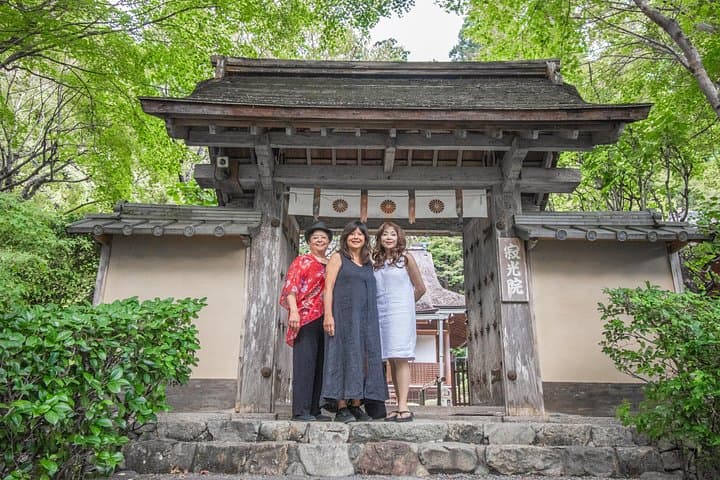
This half-day mystery route threads cultural history with rural geography. You’ll visit a 500-year-old temple with no-nail wooden architecture — an example of premodern joinery — and a nearby Shinto shrine whose precincts preserve local ritual practice. The Ohara valley, historically a farming and onsen community, shows Kyoto beyond the castle and pilgrim circuits: terraced fields, tsukemono (pickled vegetable) shops and an occasional footbath used by locals.
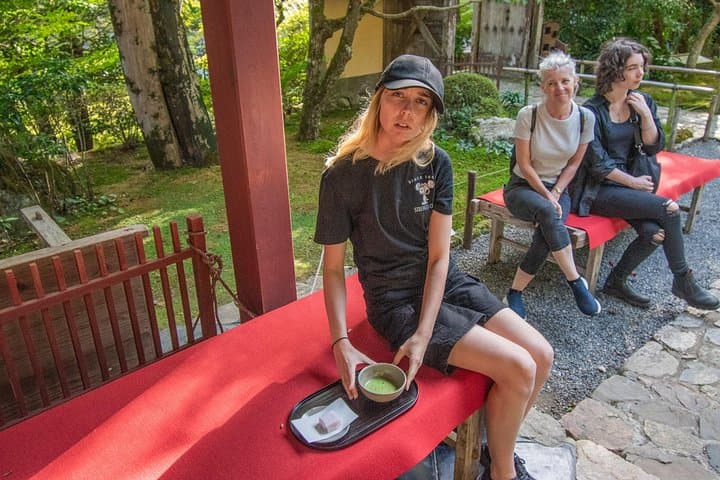
Expect easy walking on mixed pavement and compact dirt paths, short stair sections and modest slopes rather than full hikes. The guide offers conversational English narration and small-group dynamics make it social without feeling crowded. If the group agrees, a communal footbath offers a low-key onsen taste; no entry fees for the basic stops are required, though donations and small purchases support local vendors.
Practical: bring modest clothing for shrine etiquette, a light rain layer, comfortable shoes for short steps, and some cash for snacks or the footbath. Plan for roughly four hours including pick-up and return to central Kyoto; mornings are cooler and quieter, afternoons brighter for valley views.
Pickup is from central Kyoto meeting points; exact location will be confirmed at booking and typically within the main city area.
Yes — it’s rated easy with short walks and minimal elevation; families and older travelers commonly participate.
Upgrades are offered subject to availability; inquire during booking to reserve a private or extended itinerary.
Standard half-day visits do not include paid admissions; the listed temple visit includes exterior/exploration but verify any special-entry areas with your guide.
Amazing Kyoto Experience operates guided outdoor trips and adventures with an emphasis on safety, stewardship, and memorable experiences.

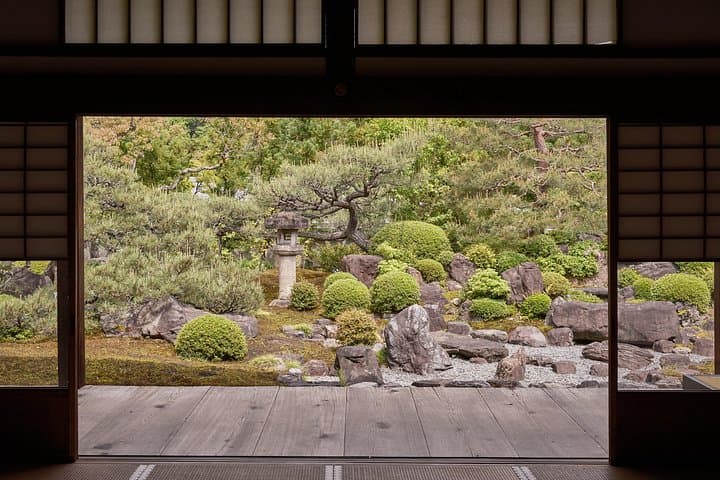
You step into a quieter Kyoto before the city’s afternoon bustle arrives: an air-conditioned vehicle eases out of the narrow streets and the guide points the way toward a valley where bamboo and cedar lean like watchful neighbors. The road climbs gently; fields and pickling houses slide past the window. When you disembark, temple roofs and stone lanterns frame the path, and a shallow stream dares you to slow down and listen.
You step into a quieter Kyoto before the city’s afternoon bustle arrives: an air-conditioned vehicle eases out of the narrow streets and the guide points the way toward a valley where bamboo and cedar lean like watchful neighbors. The road climbs gently; fields and pickling houses slide past the window. When you disembark, temple roofs and stone lanterns frame the path, and a shallow stream dares you to slow down and listen.
This half-day mystery route threads cultural history with rural geography. You’ll visit a 500-year-old temple with no-nail wooden architecture — an example of premodern joinery — and a nearby Shinto shrine whose precincts preserve local ritual practice. The Ohara valley, historically a farming and onsen community, shows Kyoto beyond the castle and pilgrim circuits: terraced fields, tsukemono (pickled vegetable) shops and an occasional footbath used by locals.
Expect easy walking on mixed pavement and compact dirt paths, short stair sections and modest slopes rather than full hikes. The guide offers conversational English narration and small-group dynamics make it social without feeling crowded. If the group agrees, a communal footbath offers a low-key onsen taste; no entry fees for the basic stops are required, though donations and small purchases support local vendors.
Practical: bring modest clothing for shrine etiquette, a light rain layer, comfortable shoes for short steps, and some cash for snacks or the footbath. Plan for roughly four hours including pick-up and return to central Kyoto; mornings are cooler and quieter, afternoons brighter for valley views.