THE ADVENTURE COLLECTIVE® · Independent discovery and booking for outdoor travel

Lanterns glow, noren sway, and Kyoto’s after-hours appetite comes into focus on this intimate Gion food walk. Two restaurant stops, two included drinks, and a guide’s insider route reveal the city’s flavors and etiquette—no guesswork required.
Lanterns glow, noren sway, and Kyoto’s after-hours appetite comes into focus on this intimate Gion food walk. Two restaurant stops, two included drinks, and a guide’s insider route reveal the city’s flavors and etiquette—no guesswork required.
Dusk slides over the Kamogawa, and the river hums like a guide who’s seen it all, urging you toward the lantern-lit lanes of Gion. Noren curtains lift and fall with each passing breeze, the alleys narrowing into secrets. This is Kyoto after dark—quiet at first glance, then suddenly alive as doorways bloom with laughter, clinked glasses, and the sizzle of a grill that knows exactly what you came here to find.
Verified experiences and guided adventures in the surrounding area.
Operated by Pinpoint Traveler, Inc · Kyoto, Kyoto Prefecture
Dusk slides over the Kamogawa, and the river hums like a guide who’s seen it all, urging you toward the lantern-lit lanes of Gion. Noren curtains lift and fall with each passing breeze, the alleys narrowing into secrets. This is Kyoto after dark—quiet at first glance, then suddenly alive as doorways bloom with laughter, clinked glasses, and the sizzle of a grill that knows exactly what you came here to find.
This small-group walking-and-eating tour keeps it human-scale: a maximum of six people, a local English-speaking guide, and a route that trades tourist traps for standing bars and intimate counters where seasonal dishes do the talking. You’ll begin near the historic Minamiza Theatre at Gion-Shijo Station (Exit 6), then move through the district’s core like a local would—unhurried, observant, and hungry. Along Hanamikoji and the stone lanes near the Shirakawa canal, the culture of geiko and maiko is explained with clarity: why Kyoto says geiko, how the art evolved, and where tradition still quietly shapes the night.
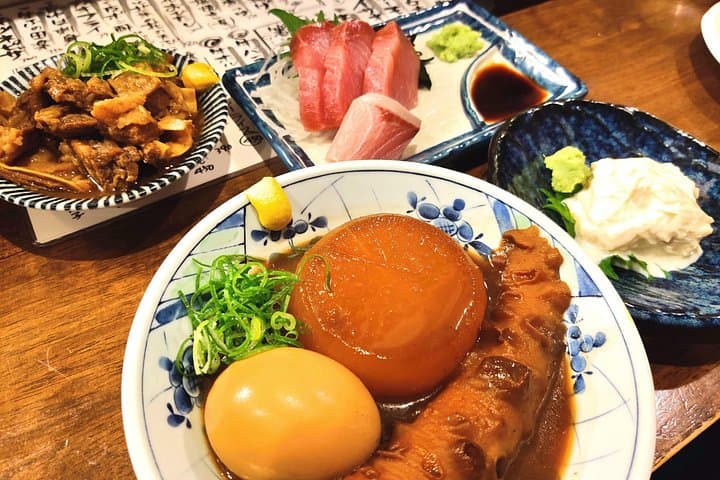
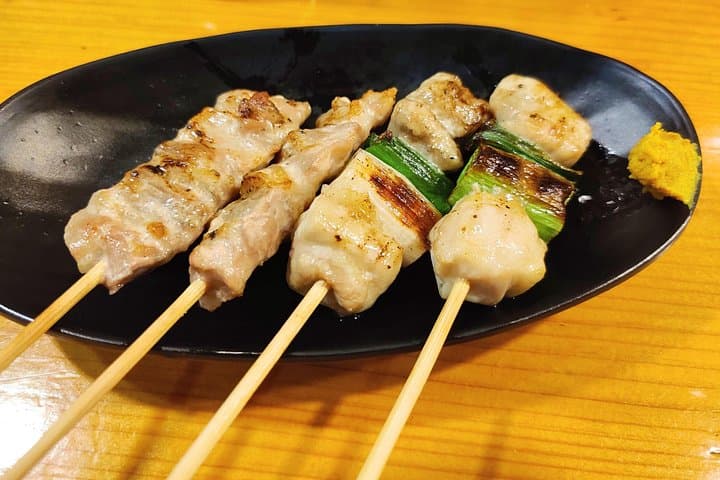
Two restaurant stops anchor the evening with regionally focused small plates—think crisp karaage with yuzu salt, seasonal vegetables kissed by charcoal, or Kyoto-style obanzai—paired with your choice of beer, shochu, or sake (non-alcoholic options as well). The tour often weaves across the river into Pontocho and Kiyamachi, where alleyways stack past and present side by side. If you opt for it, 100 grams of prime Kobe-area beef adds a decadent detour; the grill’s hiss feels like a promise kept.
Expect about 2–3 kilometers of easy walking over three hours, mostly flat with a few steps and tight lanes. Dress for the weather and for standing counters; comfortable shoes matter when good conversation lingers. Age policy is 13+; the legal drinking age is 20 in Japan, so soft drinks are provided for younger guests. Vegetarians can be happily accommodated—just note preferences in advance.
Etiquette matters here. Streets can be residential and teahouses private; follow your guide’s lead, keep voices low, and respect no-photo signs, especially around working geiko and maiko. Cash helps in smaller venues, though most stops are arranged. By the time the night folds back into the river, you’ll have a better map in your head—not just of alleys and bridges, but of Kyoto’s tastes, rhythms, and the way its evenings ask you to lean in and listen.
Plan for 2–3 km (1.5–2 miles) of mostly flat city walking with occasional steps and narrow alleys over about 3 hours.
Yes. Vegetarian and many other preferences can be accommodated with advance notice; the guide will steer to suitable dishes.
Two restaurant stops with shared regional dishes and two drinks (alcoholic or non-alcoholic). A Kobe-beef upgrade (100 g) is optional when available.
Guests must be 13+. The legal drinking age in Japan is 20; non-alcoholic options are provided for younger guests.
Casual, weather-appropriate clothing and supportive shoes. Some venues may request shoes off; carry clean socks if needed.
Tours run with at least two guests. Solo travelers may be offered a new date, a small supplement, or a refund if the minimum isn’t met.
Pinpoint Traveler, Inc operates guided outdoor trips and adventures with an emphasis on safety, stewardship, and memorable experiences.

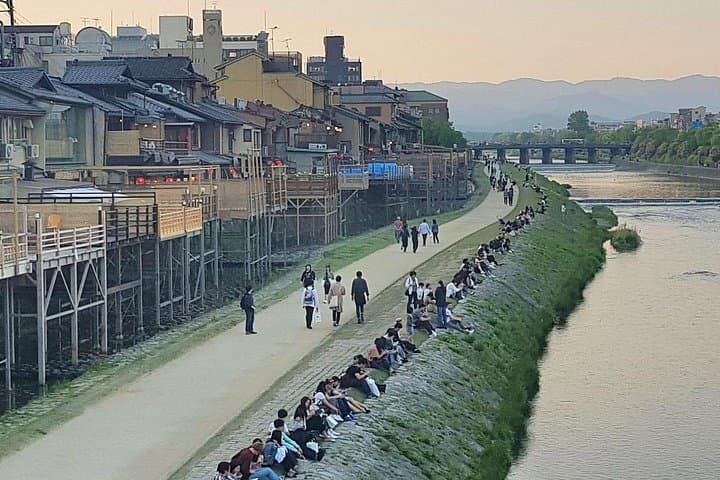
Dusk slides over the Kamogawa, and the river hums like a guide who’s seen it all, urging you toward the lantern-lit lanes of Gion. Noren curtains lift and fall with each passing breeze, the alleys narrowing into secrets. This is Kyoto after dark—quiet at first glance, then suddenly alive as doorways bloom with laughter, clinked glasses, and the sizzle of a grill that knows exactly what you came here to find.
Dusk slides over the Kamogawa, and the river hums like a guide who’s seen it all, urging you toward the lantern-lit lanes of Gion. Noren curtains lift and fall with each passing breeze, the alleys narrowing into secrets. This is Kyoto after dark—quiet at first glance, then suddenly alive as doorways bloom with laughter, clinked glasses, and the sizzle of a grill that knows exactly what you came here to find.
This small-group walking-and-eating tour keeps it human-scale: a maximum of six people, a local English-speaking guide, and a route that trades tourist traps for standing bars and intimate counters where seasonal dishes do the talking. You’ll begin near the historic Minamiza Theatre at Gion-Shijo Station (Exit 6), then move through the district’s core like a local would—unhurried, observant, and hungry. Along Hanamikoji and the stone lanes near the Shirakawa canal, the culture of geiko and maiko is explained with clarity: why Kyoto says geiko, how the art evolved, and where tradition still quietly shapes the night.
Two restaurant stops anchor the evening with regionally focused small plates—think crisp karaage with yuzu salt, seasonal vegetables kissed by charcoal, or Kyoto-style obanzai—paired with your choice of beer, shochu, or sake (non-alcoholic options as well). The tour often weaves across the river into Pontocho and Kiyamachi, where alleyways stack past and present side by side. If you opt for it, 100 grams of prime Kobe-area beef adds a decadent detour; the grill’s hiss feels like a promise kept.
Expect about 2–3 kilometers of easy walking over three hours, mostly flat with a few steps and tight lanes. Dress for the weather and for standing counters; comfortable shoes matter when good conversation lingers. Age policy is 13+; the legal drinking age is 20 in Japan, so soft drinks are provided for younger guests. Vegetarians can be happily accommodated—just note preferences in advance.
Etiquette matters here. Streets can be residential and teahouses private; follow your guide’s lead, keep voices low, and respect no-photo signs, especially around working geiko and maiko. Cash helps in smaller venues, though most stops are arranged. By the time the night folds back into the river, you’ll have a better map in your head—not just of alleys and bridges, but of Kyoto’s tastes, rhythms, and the way its evenings ask you to lean in and listen.