THE ADVENTURE COLLECTIVE® · Independent discovery and booking for outdoor travel

Dress in a silk kimono, learn the measured ritual of a traditional Japanese tea ceremony, then stroll Kyoto’s historic streets wearing your outfit until evening. This 2–3 hour experience blends hands-on cultural instruction with easy sightseeing in the Kiyomizu area.
Dress in a silk kimono, learn the measured ritual of a traditional Japanese tea ceremony, then stroll Kyoto’s historic streets wearing your outfit until evening. This 2–3 hour experience blends hands-on cultural instruction with easy sightseeing in the Kiyomizu area.
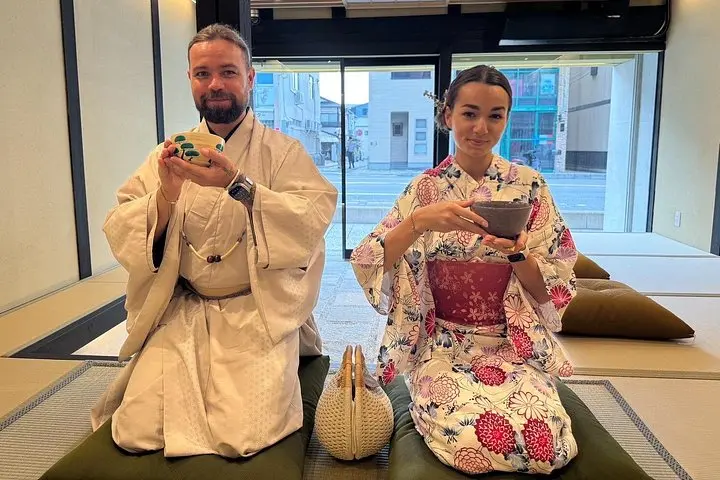
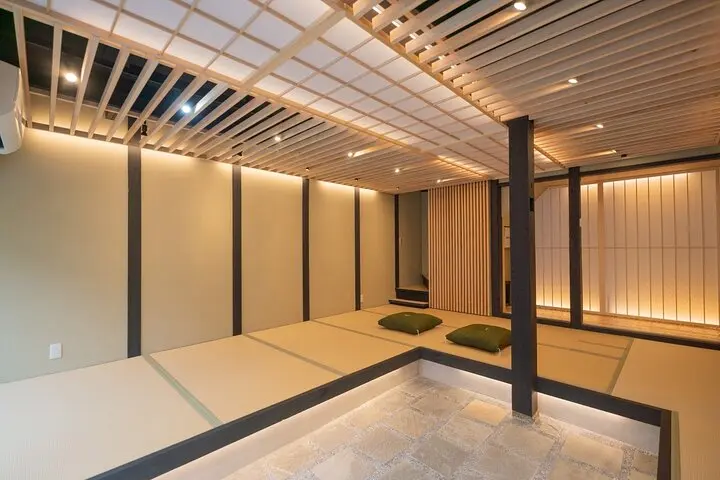
You step through a narrow wooden doorway into the low-lit room where tatami smells faintly of cedar; steam lifts from a bowl of frothy matcha and the afternoon light slides across painted sliding doors. The Okada experience combines the formal precision of a tea ceremony with the tactile ritual of dressing in a silk kimono, then sends you back onto Kyoto’s streets wearing the costume of centuries.
Verified experiences and guided adventures in the surrounding area.
Operated by OKADA Japan Culture Center · Kyoto, Kyoto Prefecture
You step through a narrow wooden doorway into the low-lit room where tatami smells faintly of cedar; steam lifts from a bowl of frothy matcha and the afternoon light slides across painted sliding doors. The Okada experience combines the formal precision of a tea ceremony with the tactile ritual of dressing in a silk kimono, then sends you back onto Kyoto’s streets wearing the costume of centuries.
Kyoto was Japan’s capital for a thousand years, and the tea ceremony evolved here as a refined expression of Zen aesthetics and hospitality. The Higashiyama hills that frame the eastern city are ancient volcanic ridges; their planted slopes and temple gardens shaped the visual vocabulary of Kyoto’s tea houses and stroll paths.
Expect quiet choreography: the slow whisking of matcha, a measured bow, and sweets served to balance bitterness. After the ceremony you keep the kimono until 6:00 PM, an invitation to walk historic lanes like Kiyomizu-michi, peer into alleyways framed by stone, or photograph wooden machiya and temple eaves.
Practical guidance: arrive with manageable clothing beneath the kimono (simple layers, no bulky zippers), allow about 2–3 hours total for dressing and the ceremony, and plan for light walking on uneven pavement. Book in advance—small groups mean limited slots—and be mindful of etiquette: remove hats, speak softly, and follow staff direction when sitting and handling the tea bowl.
This combination of dress-up and ritual is equal parts learning and living Kyoto tradition: tactile, deliberate, and immediately photogenic.
Yes — the program allows you to wear the kimono until 6:00 PM so you can explore nearby streets in costume.
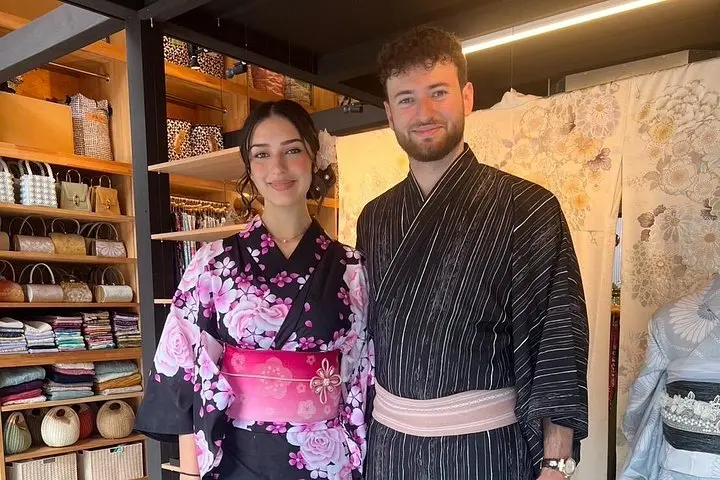
Yes — the experience provides women’s patterned silk kimonos and hakama styles for men; staff assist with fitting regardless of experience.
Infants may attend but must sit on an adult’s lap; check with the operator about space and suitability for young children.
It is not recommended for pregnant travelers; follow the provider’s guidance and booking notes for health-related restrictions.
OKADA Japan Culture Center operates guided outdoor trips and adventures with an emphasis on safety, stewardship, and memorable experiences.
You step through a narrow wooden doorway into the low-lit room where tatami smells faintly of cedar; steam lifts from a bowl of frothy matcha and the afternoon light slides across painted sliding doors. The Okada experience combines the formal precision of a tea ceremony with the tactile ritual of dressing in a silk kimono, then sends you back onto Kyoto’s streets wearing the costume of centuries.
You step through a narrow wooden doorway into the low-lit room where tatami smells faintly of cedar; steam lifts from a bowl of frothy matcha and the afternoon light slides across painted sliding doors. The Okada experience combines the formal precision of a tea ceremony with the tactile ritual of dressing in a silk kimono, then sends you back onto Kyoto’s streets wearing the costume of centuries.
Kyoto was Japan’s capital for a thousand years, and the tea ceremony evolved here as a refined expression of Zen aesthetics and hospitality. The Higashiyama hills that frame the eastern city are ancient volcanic ridges; their planted slopes and temple gardens shaped the visual vocabulary of Kyoto’s tea houses and stroll paths.
Expect quiet choreography: the slow whisking of matcha, a measured bow, and sweets served to balance bitterness. After the ceremony you keep the kimono until 6:00 PM, an invitation to walk historic lanes like Kiyomizu-michi, peer into alleyways framed by stone, or photograph wooden machiya and temple eaves.
Practical guidance: arrive with manageable clothing beneath the kimono (simple layers, no bulky zippers), allow about 2–3 hours total for dressing and the ceremony, and plan for light walking on uneven pavement. Book in advance—small groups mean limited slots—and be mindful of etiquette: remove hats, speak softly, and follow staff direction when sitting and handling the tea bowl.
This combination of dress-up and ritual is equal parts learning and living Kyoto tradition: tactile, deliberate, and immediately photogenic.