THE ADVENTURE COLLECTIVE® · Independent discovery and booking for outdoor travel

Combine a private walking tour of Kyoto’s iconic sights with a hands-on samurai sword lesson and traditional Kenbu performance. Spend four hours exploring temples and market streets, then don samurai attire for instruction and a dramatic show.
Combine a private walking tour of Kyoto’s iconic sights with a hands-on samurai sword lesson and traditional Kenbu performance. Spend four hours exploring temples and market streets, then don samurai attire for instruction and a dramatic show.
You step off a narrow Kyoto side street into a corridor of orange torii and the city’s quiet energy—paper lanterns flicker, a guide folds a map, and the day stretches ahead. The first four hours are a paced walking tour across the old capital: temple forecourts, market alleys, and the careful geometry of garden paths. Afterward you change into samurai attire and move to a theater where the katana lesson and Kenbu performance bring an old discipline to life.
Verified experiences and guided adventures in the surrounding area.
Operated by Japan Guide Agency · Kyoto, Kyoto Prefecture
You step off a narrow Kyoto side street into a corridor of orange torii and the city’s quiet energy—paper lanterns flicker, a guide folds a map, and the day stretches ahead. The first four hours are a paced walking tour across the old capital: temple forecourts, market alleys, and the careful geometry of garden paths. Afterward you change into samurai attire and move to a theater where the katana lesson and Kenbu performance bring an old discipline to life.
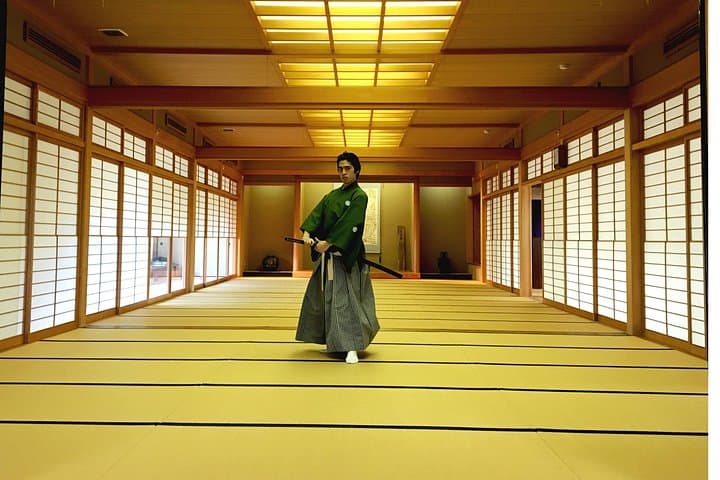
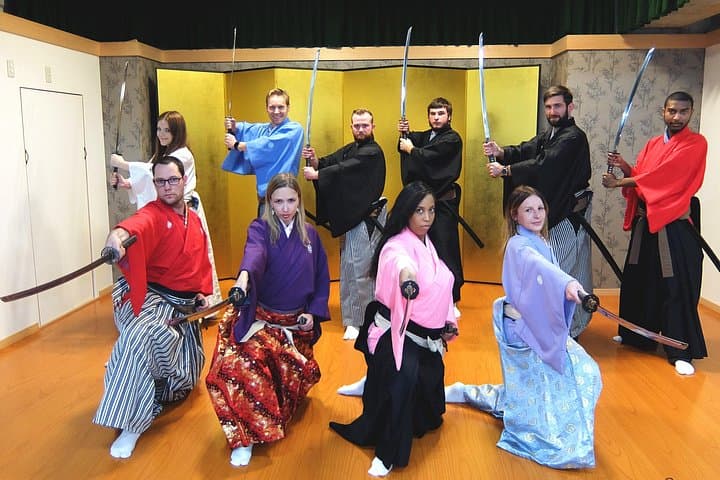
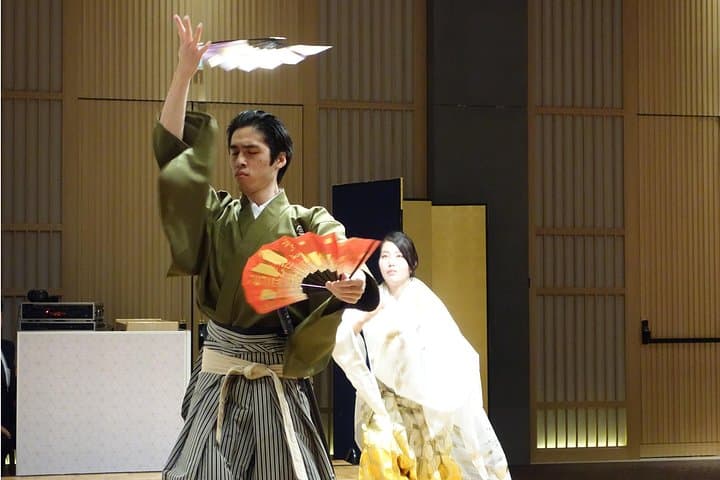
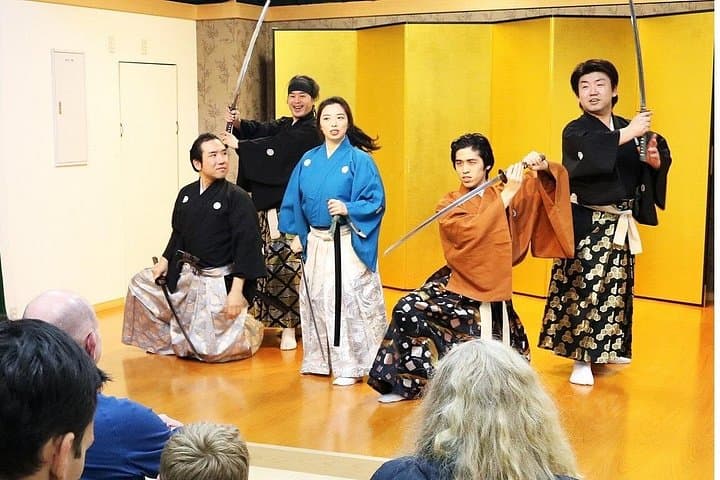
Kyoto was Japan’s imperial heart for more than a millennium; its flat basin is ringed by low mountains and threaded by rivers that shaped settlement patterns and temple placement. Wooden architecture, stone lanterns and Zen gardens reflect an aesthetic born of warfare, court ritual and a temperate climate. Kenbu—sword dance—is a performance art that fuses movement, poetry and measured breath; the sword lesson is technical but formatted for beginners, emphasizing posture, cut mechanics and etiquette.
Local insight: pick two to three sights for the walking portion—Fushimi Inari’s torii, a stroll through Gion’s alleys, or Nishiki Market for seasonal tastes—and leave time to remove shoes and observe temple manners. The experience blends light urban trekking with a hands-on cultural class, so plan for shifting activity.
Practical guidance: wear comfortable, non-slip shoes for cobbled streets; modest clothing for shrine visits; bring water and a light jacket for sudden rain. Expect roughly 4 hours of walking plus 75-minute instruction and a 45-minute show. The tour is private and wheelchair-accessible in many areas, but check specifics for individual temple stairs. Arrive with names and pickup point confirmed—this is a physically gentle but culturally focused day that rewards curiosity and respectful attention.
No—this program is designed for beginners; instructors teach safe basics of stance, grip and cutting technique.
The guide meets you at an agreed point in Kyoto; after the walking tour you will be escorted to the Samurai Kenbu Theater for the lesson and show.
Children aged 6 and older can participate in the sword lesson; younger children may observe and attend the show free of charge.
Many meeting points and some attractions are wheelchair-accessible, but certain temples have steps—notify the operator when booking to confirm accessibility details.
Japan Guide Agency operates guided outdoor trips and adventures with an emphasis on safety, stewardship, and memorable experiences.
You step off a narrow Kyoto side street into a corridor of orange torii and the city’s quiet energy—paper lanterns flicker, a guide folds a map, and the day stretches ahead. The first four hours are a paced walking tour across the old capital: temple forecourts, market alleys, and the careful geometry of garden paths. Afterward you change into samurai attire and move to a theater where the katana lesson and Kenbu performance bring an old discipline to life.
You step off a narrow Kyoto side street into a corridor of orange torii and the city’s quiet energy—paper lanterns flicker, a guide folds a map, and the day stretches ahead. The first four hours are a paced walking tour across the old capital: temple forecourts, market alleys, and the careful geometry of garden paths. Afterward you change into samurai attire and move to a theater where the katana lesson and Kenbu performance bring an old discipline to life.
Kyoto was Japan’s imperial heart for more than a millennium; its flat basin is ringed by low mountains and threaded by rivers that shaped settlement patterns and temple placement. Wooden architecture, stone lanterns and Zen gardens reflect an aesthetic born of warfare, court ritual and a temperate climate. Kenbu—sword dance—is a performance art that fuses movement, poetry and measured breath; the sword lesson is technical but formatted for beginners, emphasizing posture, cut mechanics and etiquette.
Local insight: pick two to three sights for the walking portion—Fushimi Inari’s torii, a stroll through Gion’s alleys, or Nishiki Market for seasonal tastes—and leave time to remove shoes and observe temple manners. The experience blends light urban trekking with a hands-on cultural class, so plan for shifting activity.
Practical guidance: wear comfortable, non-slip shoes for cobbled streets; modest clothing for shrine visits; bring water and a light jacket for sudden rain. Expect roughly 4 hours of walking plus 75-minute instruction and a 45-minute show. The tour is private and wheelchair-accessible in many areas, but check specifics for individual temple stairs. Arrive with names and pickup point confirmed—this is a physically gentle but culturally focused day that rewards curiosity and respectful attention.