THE ADVENTURE COLLECTIVE® · Independent discovery and booking for outdoor travel
Spend a day exploring Kyoto’s signature sites with a national licensed guide — from the Golden Pavilion to the torii tunnel of Fushimi Inari. This private, customizable tour combines history, street food, and efficient logistics for a full but manageable day trip from Osaka.
Spend a day exploring Kyoto’s signature sites with a national licensed guide — from the Golden Pavilion to the torii tunnel of Fushimi Inari. This private, customizable tour combines history, street food, and efficient logistics for a full but manageable day trip from Osaka.
You step off the train into a city where centuries fold into a single street: wooden machiya, shoji-lit shopfronts, and a guide who speaks to the city’s grammar. The tour threads through Kyoto’s brightest scenes — the gilded reflection of Kinkaku-ji, the carved corridors of Nijo Castle, the spice and clamour of Nishiki Market, and the red tunnel of Fushimi Inari — in a single, deliberate day.
Verified experiences and guided adventures in the surrounding area.
Operated by MY Travel Consulting · Kyoto, Kyoto Prefecture
You step off the train into a city where centuries fold into a single street: wooden machiya, shoji-lit shopfronts, and a guide who speaks to the city’s grammar. The tour threads through Kyoto’s brightest scenes — the gilded reflection of Kinkaku-ji, the carved corridors of Nijo Castle, the spice and clamour of Nishiki Market, and the red tunnel of Fushimi Inari — in a single, deliberate day.
Kyoto was Japan’s capital for more than a millennium; its hill-locked basin preserves layers of Heian court culture, Muromachi-era gardens, and Edo-period power plays. The geology of the Kyoto basin means easy walking with gentle slopes rather than alpine climbs — expect paved paths, temple steps, and garden gravel underfoot.
Culture here is procedural: shrine etiquette, seasonal craft practices, and a food culture that prizes small, focused flavors. Licensed English-speaking guides explain the symbolism behind torii donations, the shogunate’s architecture, and market specialties you can taste along the way.
Practically, this is an eight-hour private tour that’s personalizable by interest and pace. Typical walking totals range 4–8 km with intermittent public-transit hops; entrance fees (Kinkaku-ji ~¥500, Nijo Castle ~¥1,300) are noted. Hotel pickup from Osaka is included; bring cash for small stalls, wear comfortable shoes, and plan for variable weather — rain is common in season.
A private guide reduces navigation friction and gives local context that reading alone won’t. For first-time Kyoto visitors who want history, food, and architecture in a single, manageable day, this tour balances depth with movement — and leaves time to linger where the guide recommends.
Yes — hotel pickup from Osaka is included; confirm your pickup point when booking.
Some admissions are included per the itinerary, but guide notes list examples (Kinkaku-ji ~¥500, Nijo Castle ~¥1,300); confirm exact inclusions when booking.
The tour provides a national licensed English-speaking guide; request other languages in advance and note availability may vary.
It’s moderate: expect several short walks and temple steps totaling roughly 4–8 km, with public transit between distant sites.
MY Travel Consulting operates guided outdoor trips and adventures with an emphasis on safety, stewardship, and memorable experiences.
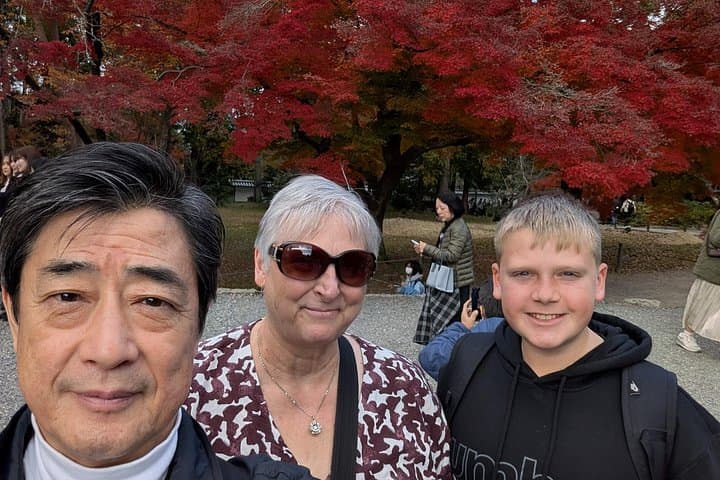
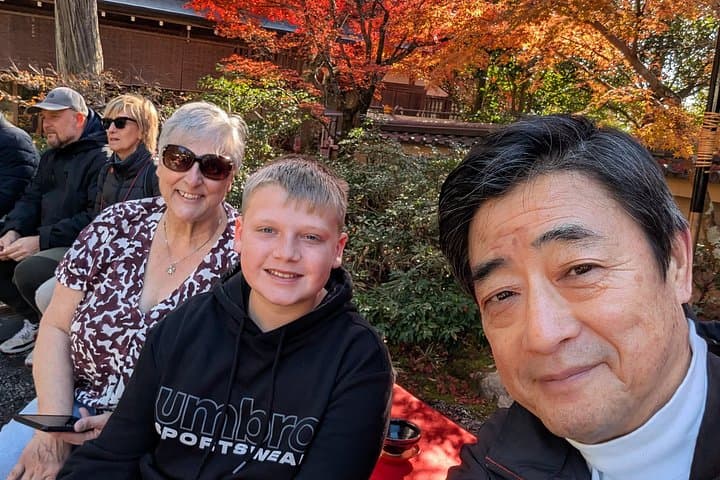
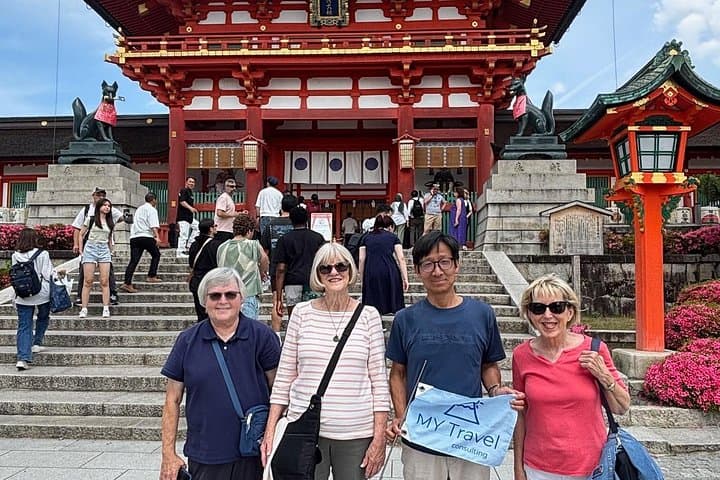
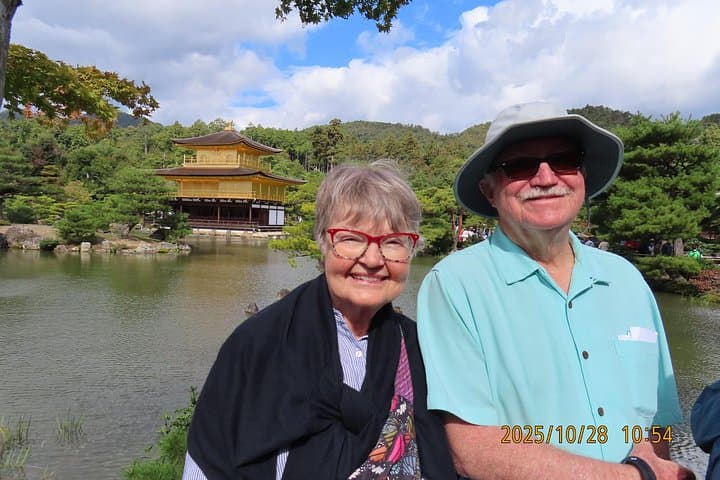
You step off the train into a city where centuries fold into a single street: wooden machiya, shoji-lit shopfronts, and a guide who speaks to the city’s grammar. The tour threads through Kyoto’s brightest scenes — the gilded reflection of Kinkaku-ji, the carved corridors of Nijo Castle, the spice and clamour of Nishiki Market, and the red tunnel of Fushimi Inari — in a single, deliberate day.
You step off the train into a city where centuries fold into a single street: wooden machiya, shoji-lit shopfronts, and a guide who speaks to the city’s grammar. The tour threads through Kyoto’s brightest scenes — the gilded reflection of Kinkaku-ji, the carved corridors of Nijo Castle, the spice and clamour of Nishiki Market, and the red tunnel of Fushimi Inari — in a single, deliberate day.
Kyoto was Japan’s capital for more than a millennium; its hill-locked basin preserves layers of Heian court culture, Muromachi-era gardens, and Edo-period power plays. The geology of the Kyoto basin means easy walking with gentle slopes rather than alpine climbs — expect paved paths, temple steps, and garden gravel underfoot.
Culture here is procedural: shrine etiquette, seasonal craft practices, and a food culture that prizes small, focused flavors. Licensed English-speaking guides explain the symbolism behind torii donations, the shogunate’s architecture, and market specialties you can taste along the way.
Practically, this is an eight-hour private tour that’s personalizable by interest and pace. Typical walking totals range 4–8 km with intermittent public-transit hops; entrance fees (Kinkaku-ji ~¥500, Nijo Castle ~¥1,300) are noted. Hotel pickup from Osaka is included; bring cash for small stalls, wear comfortable shoes, and plan for variable weather — rain is common in season.
A private guide reduces navigation friction and gives local context that reading alone won’t. For first-time Kyoto visitors who want history, food, and architecture in a single, manageable day, this tour balances depth with movement — and leaves time to linger where the guide recommends.
