THE ADVENTURE COLLECTIVE® · Independent discovery and booking for outdoor travel

Walk Kyoto with a private local guide across six hours of temples, markets and lesser-known spots. This practical guide previews what to expect—history, terrain, timing and simple etiquette—to help you plan a confident day in Japan’s ancient capital.
Walk Kyoto with a private local guide across six hours of temples, markets and lesser-known spots. This practical guide previews what to expect—history, terrain, timing and simple etiquette—to help you plan a confident day in Japan’s ancient capital.
Step off the station concourse and the city opens like a living map: narrow lanes fold into wooden machiya, a river edges past stone bridges, and a torii-lined hillside seems to beckon you inward. This six-hour private tour threads Kyoto’s high points—Fushimi Inari’s endless vermilion gates, the honeycombed hall at Sanjūsangen-dō, the wooden veranda of Kiyomizu-dera—and slips into quieter streets where local confectioners and craft shops keep old techniques alive.
Verified experiences and guided adventures in the surrounding area.
Operated by Osaka, Kyoto and Kansai awesome tour · Kyoto, Kyoto Prefecture
Step off the station concourse and the city opens like a living map: narrow lanes fold into wooden machiya, a river edges past stone bridges, and a torii-lined hillside seems to beckon you inward. This six-hour private tour threads Kyoto’s high points—Fushimi Inari’s endless vermilion gates, the honeycombed hall at Sanjūsangen-dō, the wooden veranda of Kiyomizu-dera—and slips into quieter streets where local confectioners and craft shops keep old techniques alive.
Kyoto sits on an alluvial plain at the foot of the Higashiyama range; its temples and markets grew where trade routes, rivers and courtly life converged across 1,350 years as Japan’s imperial capital. Expect layers of history at every stop: Shinto shrine approaches, Heian-era court aesthetics, and Edo-period merchant districts. The food scene mirrors that continuity—Nishiki Market is a living pantry of pickles, seaweed, and sweets that fed generations.
Practical guidance: wear grippy walking shoes—the day includes steps and uneven temple paths—and bring cash for small shrine fees and market snacks. Plan to start early to avoid the mid-day crowds at Kiyomizu-dera and the busiest hours at Nishiki. Public transit is efficient between sites; your private guide will navigate timing, entrance fees, and local etiquette like bowing and shoe removal.
By design this itinerary balances headline sights with offbeat stops chosen to match interests—photography, food, or traditional crafts—so you leave with context as well as pictures.
It’s classified as easy—mostly urban walking with some stairs and short uphill sections; it’s suitable for most travelers who can walk for several hours.
Most temple admissions are not included; expect small entrance fees (e.g., Kiyomizu-dera and Sanjūsangen-dō) payable on-site—your guide will advise exact amounts.
Yes, the private format allows you to prioritize temples, markets, culinary stops or craft workshops—confirm preferences at booking.
Yes; the guide uses buses or short train rides as needed to maximize time and reduce long walks between distant sites.
Osaka, Kyoto and Kansai awesome tour operates guided outdoor trips and adventures with an emphasis on safety, stewardship, and memorable experiences.
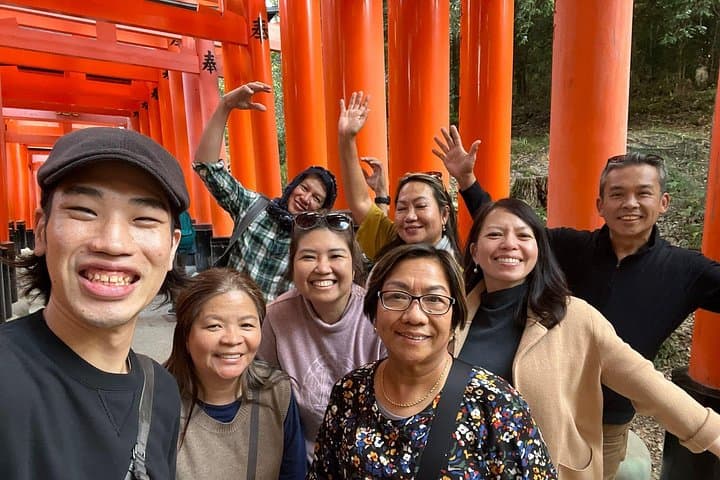
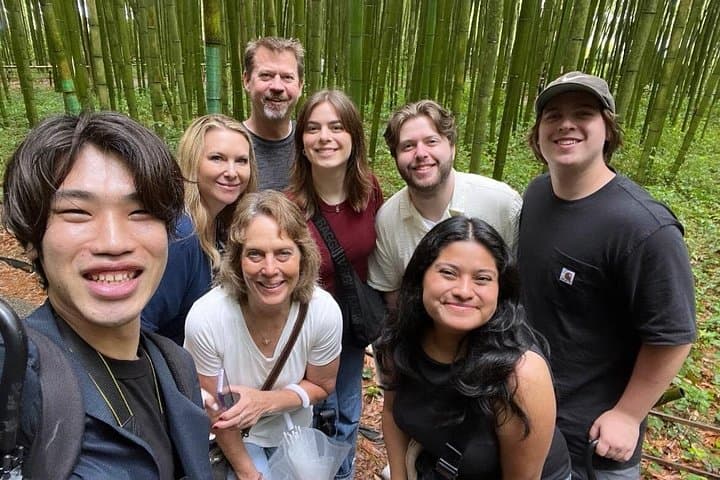
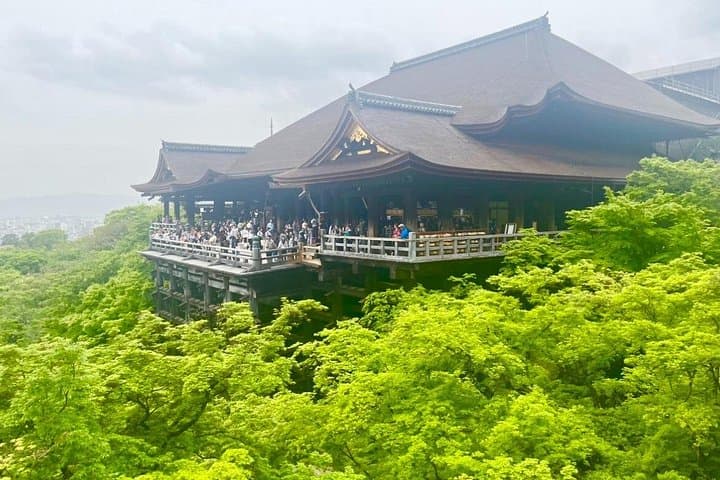
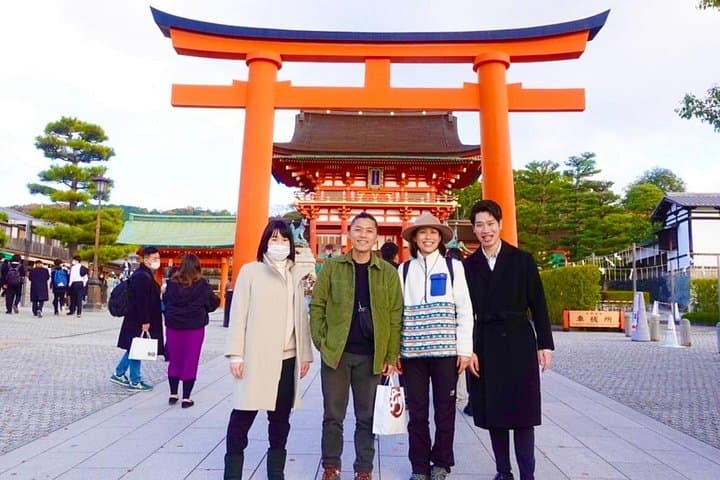
Step off the station concourse and the city opens like a living map: narrow lanes fold into wooden machiya, a river edges past stone bridges, and a torii-lined hillside seems to beckon you inward. This six-hour private tour threads Kyoto’s high points—Fushimi Inari’s endless vermilion gates, the honeycombed hall at Sanjūsangen-dō, the wooden veranda of Kiyomizu-dera—and slips into quieter streets where local confectioners and craft shops keep old techniques alive.
Step off the station concourse and the city opens like a living map: narrow lanes fold into wooden machiya, a river edges past stone bridges, and a torii-lined hillside seems to beckon you inward. This six-hour private tour threads Kyoto’s high points—Fushimi Inari’s endless vermilion gates, the honeycombed hall at Sanjūsangen-dō, the wooden veranda of Kiyomizu-dera—and slips into quieter streets where local confectioners and craft shops keep old techniques alive.
Kyoto sits on an alluvial plain at the foot of the Higashiyama range; its temples and markets grew where trade routes, rivers and courtly life converged across 1,350 years as Japan’s imperial capital. Expect layers of history at every stop: Shinto shrine approaches, Heian-era court aesthetics, and Edo-period merchant districts. The food scene mirrors that continuity—Nishiki Market is a living pantry of pickles, seaweed, and sweets that fed generations.
Practical guidance: wear grippy walking shoes—the day includes steps and uneven temple paths—and bring cash for small shrine fees and market snacks. Plan to start early to avoid the mid-day crowds at Kiyomizu-dera and the busiest hours at Nishiki. Public transit is efficient between sites; your private guide will navigate timing, entrance fees, and local etiquette like bowing and shoe removal.
By design this itinerary balances headline sights with offbeat stops chosen to match interests—photography, food, or traditional crafts—so you leave with context as well as pictures.