THE ADVENTURE COLLECTIVE® · Independent discovery and booking for outdoor travel

Cycle out of Kyoto into satoyama hills, ring 108 temple bells, enjoy a home-style Japanese lunch in a restored folk house, and try a wagashi-making class at a local sweets shop. This half-day guided ride mixes ritual, rural landscape, and hands-on culture.
Cycle out of Kyoto into satoyama hills, ring 108 temple bells, enjoy a home-style Japanese lunch in a restored folk house, and try a wagashi-making class at a local sweets shop. This half-day guided ride mixes ritual, rural landscape, and hands-on culture.
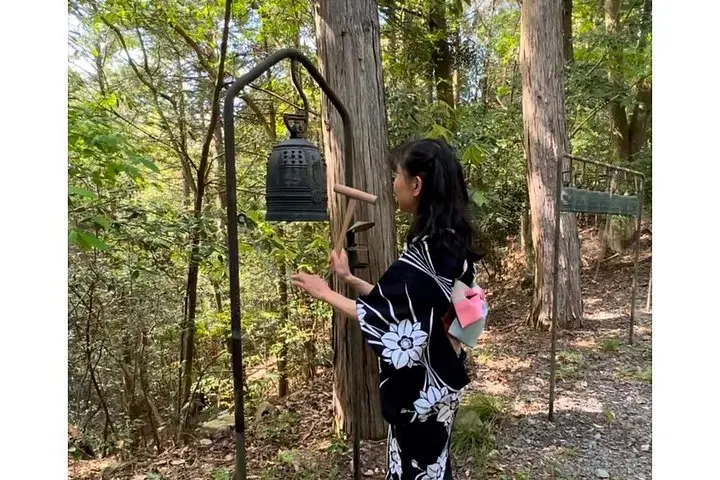
The early road out of Kyoto opens like a page—rice paddies flatten toward low hills and a cool breeze presses softly at your back as you pedal. Small farms watch the route: irrigation channels whisper, insects stitch the air, and the hills ahead invite a short climb to Kyoto Taishakuten, where 108 bells mark a ritual ascent.
Verified experiences and guided adventures in the surrounding area.
Operated by Kyoto Satoyama cycling tour · Kyoto, Kyoto Prefecture
The early road out of Kyoto opens like a page—rice paddies flatten toward low hills and a cool breeze presses softly at your back as you pedal. Small farms watch the route: irrigation channels whisper, insects stitch the air, and the hills ahead invite a short climb to Kyoto Taishakuten, where 108 bells mark a ritual ascent.
The Satoyama landscape here is defined by human-scaled slopes and centuries of rice cultivation. Taishakuten's mountaintop rituals echo older Shinto-Buddhist practices of purification; passing through the “Wisdom Ring” and striking bells ties present visitors to local spiritual rhythms. Geologically the area is composed of modest volcanic and sedimentary hills—short, steep pitches rather than long mountain cols—giving rides a stop-and-go character perfect for photos and short rests.
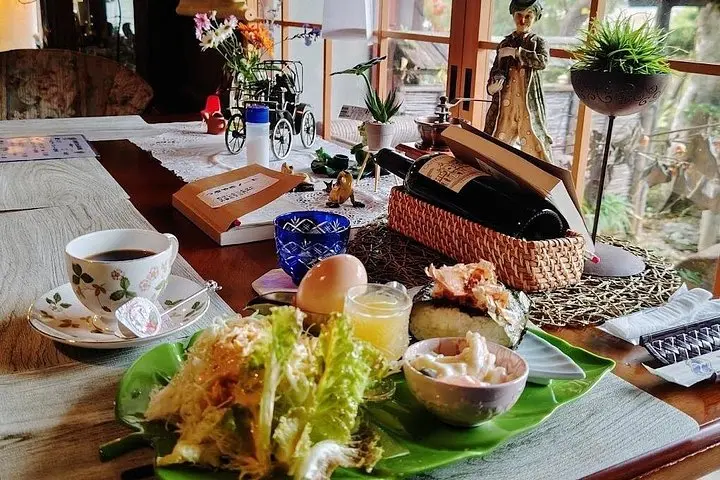
Culturally, the route threads renovated folk houses and roadside stations (michi-no-eki) where wagashi makers keep traditional sweets alive. A stop at Kaeru no Oyado offers home-style lunch in tatami rooms; nearby confectionery shops run hands-on wagashi experiences.
Practical guidance: the tour runs about five hours with several stops—expect roughly 15–25 km of mixed paved country roads and gentle gravel, and roughly 200–350 m of cumulative climbing. Bring a reusable water bottle, wear closed-toe shoes and a light rain shell, and be ready to dismount for steep or narrow temple approaches. Respect shrine etiquette: remove hats, speak softly, and follow your guide’s cues. Timing your ride for morning or late afternoon keeps heat and crowds low and makes the bells, food, and countryside feel distinctly present.
Yes—bicycles are included with the tour; helmets are provided but you may bring your own for fit and comfort.
Yes—the restaurant offers vegetarian and vegan options when requested in advance; note dietary needs at booking.
Moderate—participants should be comfortable cycling for several short climbs and dismounting on uneven terrain; not recommended for those with serious spinal, heart, or pregnancy restrictions.
Cancel at least 24 hours before departure for a full refund; the tour may be canceled in bad weather.
Kyoto Satoyama cycling tour operates guided outdoor trips and adventures with an emphasis on safety, stewardship, and memorable experiences.

The early road out of Kyoto opens like a page—rice paddies flatten toward low hills and a cool breeze presses softly at your back as you pedal. Small farms watch the route: irrigation channels whisper, insects stitch the air, and the hills ahead invite a short climb to Kyoto Taishakuten, where 108 bells mark a ritual ascent.
The early road out of Kyoto opens like a page—rice paddies flatten toward low hills and a cool breeze presses softly at your back as you pedal. Small farms watch the route: irrigation channels whisper, insects stitch the air, and the hills ahead invite a short climb to Kyoto Taishakuten, where 108 bells mark a ritual ascent.
The Satoyama landscape here is defined by human-scaled slopes and centuries of rice cultivation. Taishakuten's mountaintop rituals echo older Shinto-Buddhist practices of purification; passing through the “Wisdom Ring” and striking bells ties present visitors to local spiritual rhythms. Geologically the area is composed of modest volcanic and sedimentary hills—short, steep pitches rather than long mountain cols—giving rides a stop-and-go character perfect for photos and short rests.
Culturally, the route threads renovated folk houses and roadside stations (michi-no-eki) where wagashi makers keep traditional sweets alive. A stop at Kaeru no Oyado offers home-style lunch in tatami rooms; nearby confectionery shops run hands-on wagashi experiences.
Practical guidance: the tour runs about five hours with several stops—expect roughly 15–25 km of mixed paved country roads and gentle gravel, and roughly 200–350 m of cumulative climbing. Bring a reusable water bottle, wear closed-toe shoes and a light rain shell, and be ready to dismount for steep or narrow temple approaches. Respect shrine etiquette: remove hats, speak softly, and follow your guide’s cues. Timing your ride for morning or late afternoon keeps heat and crowds low and makes the bells, food, and countryside feel distinctly present.